


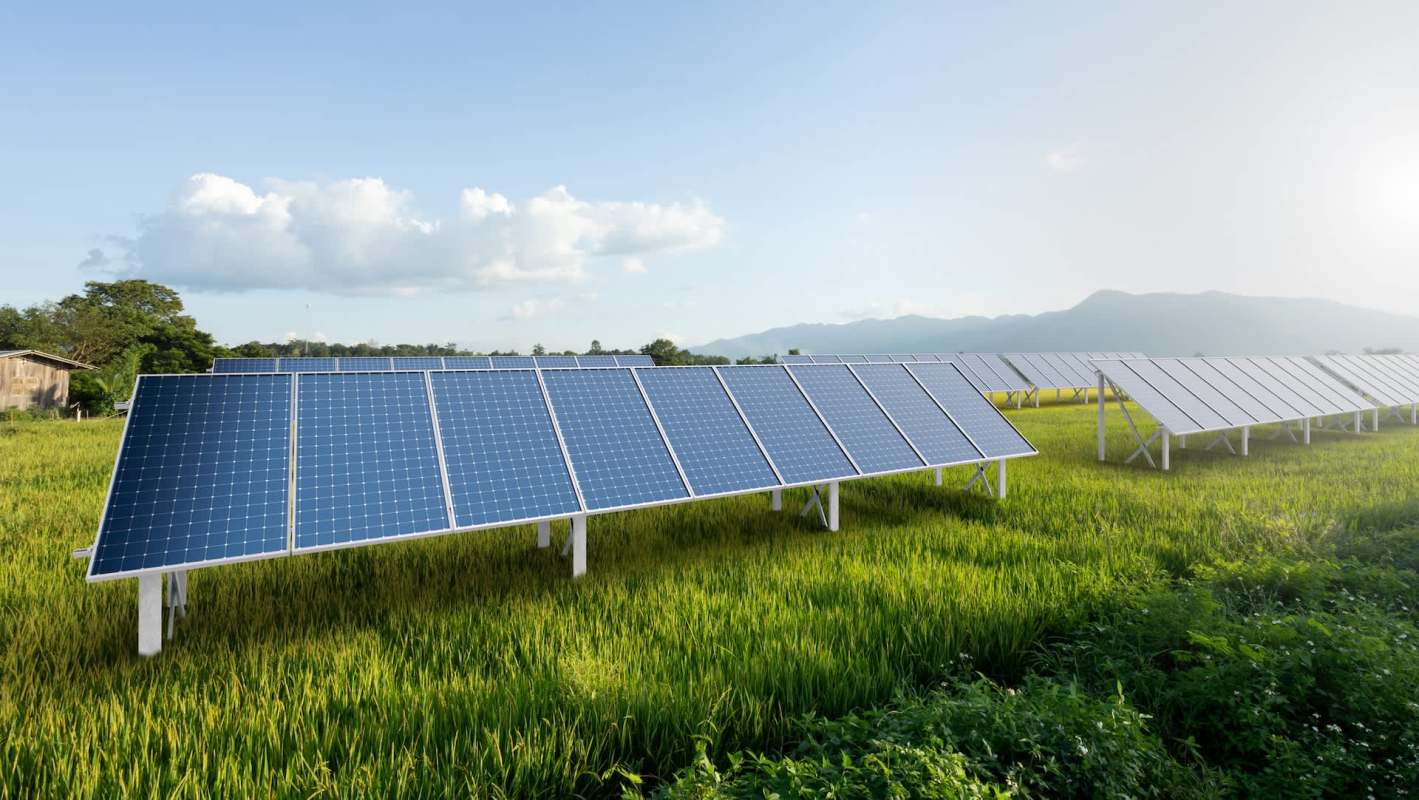
Ornithologists aren't often among the experts asked to weigh in on solar development projects. However, their insight could prove vital for future floating panel installations on inland waters.
As a result, a Cornell University team is examining endangered populations and even bird poop spread.
The research, published in the journal Environmental Science & Technology, has so far suggested that floating solar panels can be installed in ways that produce adequate electricity while not interfering with native fowl populations, according to a news release.
The goal is to identify water bodies in the Northeast flyway that are suitable for solar and to eventually complete field tests, particularly on smaller ponds and lakes. So far, 16,000 locations have been deemed promising.
"This study is the best available science to understand potential interactions, and it can point us toward areas of synergy or conflict, areas where we might want to focus for field studies or conservation," assistant professor Steven Grodsky said.
Floating solar systems are more popular in Asia than in the United States, but the global market size is growing. Analysts at California-based Grand View Research estimated that the sub-sector will expand from $50.82 million to $172.9 million by 2030. The Asia Pacific area had nearly 72% of the market share in 2024, per the report.
Opportunities on human-made water bodies are developing, as well. Duke Energy installed a pilot project in Florida that includes 1,800 panels on a cooling pond, which is enough to power 100 homes.
A much larger operation in Singapore has 122,000 floating panels as part of a farm the size of 45 football fields. The electricity generated there prevents 35,000 tons of harmful air pollution from the burning of coal, oil, and gas for energy. The fumes are linked to cancer, heart, and lung health problems, according to the World Health Organization.
On the energy production side, Reuters reported that floating solar panels are up to 15% more effective than land-based arrays because water helps to cool them, and there are no overhead obstructions.
"With terrestrial solar, buildout is well underway, but floating solar is a relatively nascent technology, and there's opportunity to inform siting with biodiversity, social values, energy production in mind — all of these components that are connected," Grodsky said in the release.
TCD Picks » Quince Spotlight
💡These best-sellers from Quince deliver affordable, sustainable luxury for all




|
Which of these savings plans for rooftop solar panels would be most appealing for you?
Click your choice to see results and speak your mind. |
 Save $1,000 this year 💸
 The Cornell experts analyzed traits of nearly 300 bird species to determine how floating systems could impact their health. The knowledge could be a "real boon" for wildlife management, according to Grodsky.
The horned grebe, for example, has poor mobility and vision, and it could be negatively impacted by panels. Arrays near large goose populations are at risk of being covered with fowl feces, reducing access to sunlight. The effect on recreation is also being considered.
"We're trying to look at it holistically," Grodsky said.
On land, rooftop solar remains one of the best ways for homeowners to leverage the sun's energy potential to gain grid independence as utility prices climb. The right setup can help you reduce or even eliminate your electricity bill.

Get TCD's free newsletters for easy tips to save more, waste less, and make smarter choices — and earn up to $5,000 toward clean upgrades in TCD's exclusive Rewards Club.
Cool Picks





