


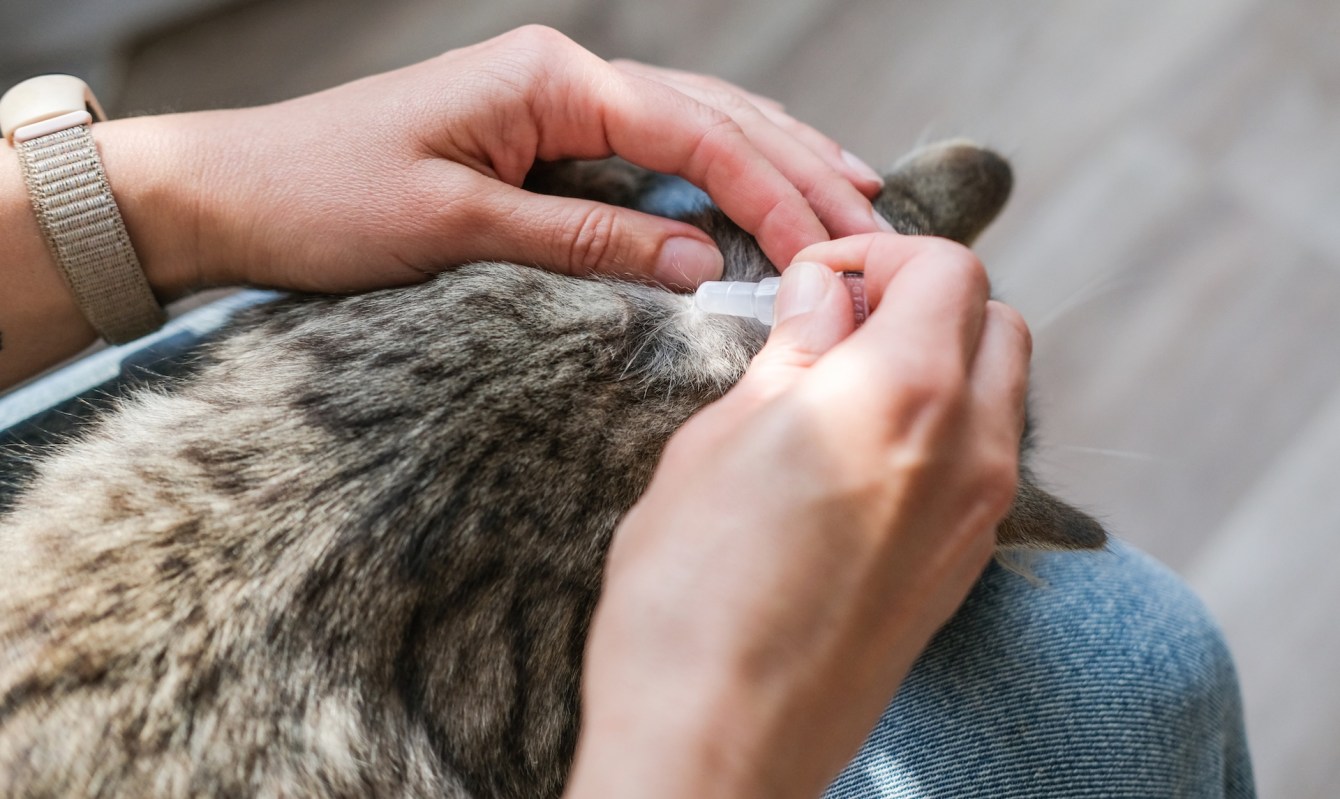
A new review is raising alarms about a familiar product in many homes: topical flea treatments for cats and dogs.
According to The Guardian, chemicals used in some pet medications are turning up in rivers, parks, and protected habitats — and may already be contributing to severe losses among insects, birds, and aquatic life.
The study, published Thursday by ecologist Matt Shardlow of Wildlife and Countryside Link, said two chemicals commonly found in liquid flea and tick treatments — fipronil and imidacloprid — are causing widespread environmental damage even though they are banned for use as pesticides.
Shardlow's review found that average concentrations in English rivers could suppress aquatic life, and that about one-fifth of readings were high enough to be linked to a 30% drop in related bird populations.
The report also pointed to heavily contaminated public parks and conservation areas, and cited the Broads in Norfolk, where Natural England has raised concerns over a 90% decline in dragonfly numbers.
The chemicals can enter the environment in several ways, including through wastewater after pets, bedding, or clothing are washed; from treated dogs swimming; from pets brushing against vegetation; and from contaminated fur being shed outdoors.
TCD Picks » Quince Spotlight
💡These best-sellers from Quince deliver affordable, sustainable luxury for all




"The more you look at this, the worse it gets," Shardlow said, per The Guardian. "The level of new alarming information showing the scale of damage that is being done by these chemicals is stark."
Flea treatments are designed to protect pets, but the review suggests their environmental footprint may be far larger. The findings link everyday pet care to declining river health, harm to pollinators, and contamination of nesting materials used by songbirds.
The analysis said these chemicals have been linked to poorer cognitive and adaptive outcomes in children with autism, and raised concerns about human health risk in English waters. These treatments are so common that even small amounts entering waterways over time could accumulate across neighborhoods and regions.
The government has opened an eight-week consultation on stopping pet owners from buying these flea treatments for cats and dogs over the counter.
But Shardlow argued that the step is too limited. He said the products would remain easy to buy in pharmacies, supermarkets, vets, and online, and called for an urgent environmental risk assessment.
In his report, he said the "only sensible option" would be for the Veterinary Medicines Directorate to reconsider, suspend, and ban treatments containing fipronil and imidacloprid.

Get TCD's free newsletters for easy tips, smart advice, and a chance to earn $5,000 toward home upgrades. To see more stories like this one, change your Google preferences here.






