


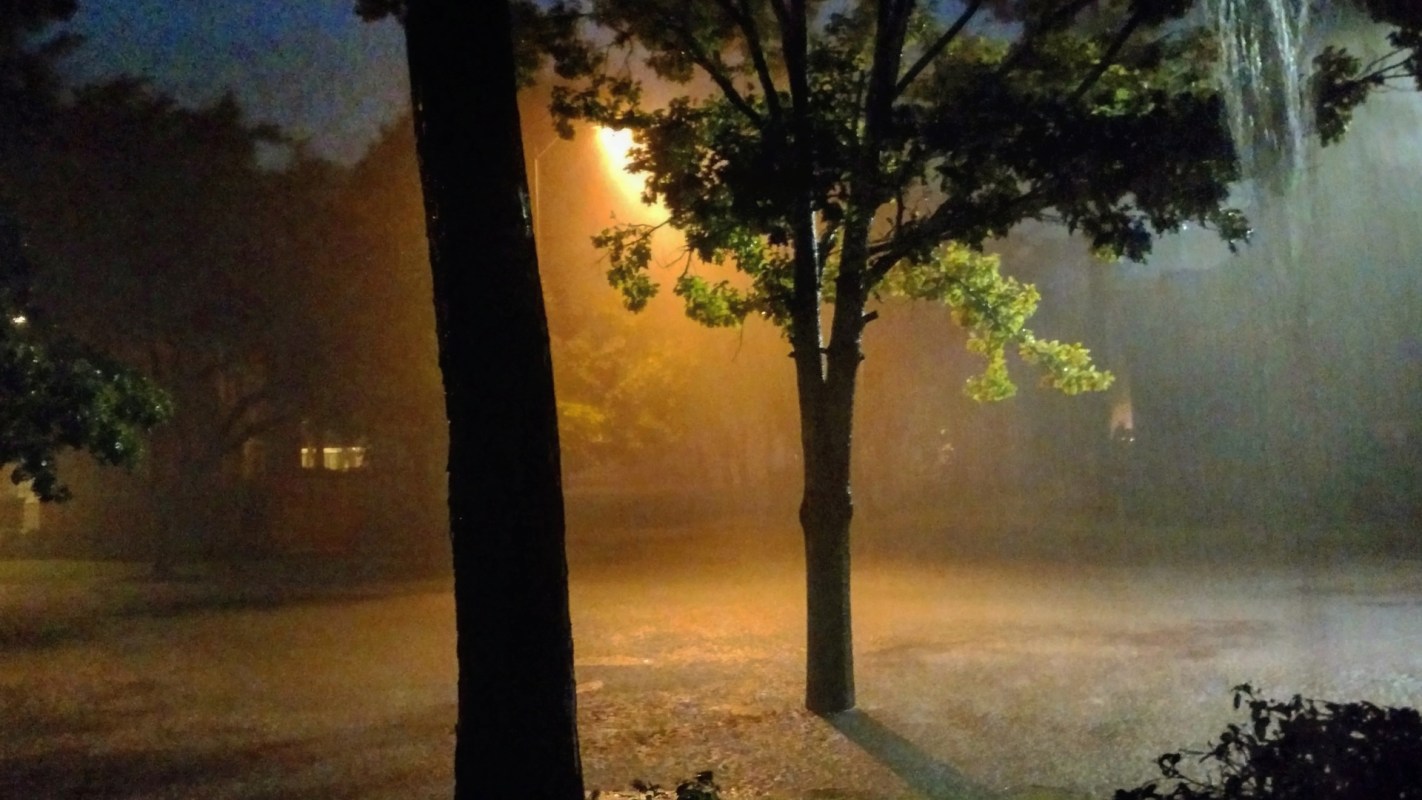
Several million people in Texas are under a flash flood watch as showers and thunderstorms bring torrential rain to the middle of the Lone Star State. There is the potential for some of the thunderstorms to become severe.
Just over 14 million people in central Texas are under a flash flood watch for Thursday into early Friday morning. More than 200,000 people woke up to a flash flood warning early Thursday.
"Rainfall totals of 1 to 3 inches can be expected for most areas in the Flood Watch with isolated totals of 6 to 8 inches across the Southern Edwards Plateau and western Hill Country," warned the National Weather Service. "Keep up with the forecast and remember to turn around, don't drown!"
NEW: Updated rain forecast in Central Texas through Friday. Isolated 4"+ expected in parts of the Hill Country. Flash flooding is possible! pic.twitter.com/yP47oZEgUS
— Tommy House (@tommyhousewx) November 19, 2025
Abundant moisture being swept northward ahead of a cold front extending south from a storm sweeping out of the Southwest into the southern plains will continue to fuel powerful thunderstorms across parts of New Mexico, Texas, Oklahoma, and Arkansas today through tonight.
"Any storms that develop may be strong with a low risk for a severe storm with hail up to 1 inch in diameter and 60 mph wind gusts," cautioned meteorologists with KXAN-TV meteorologist Kristen Currie. "There's a very low tornado risk, not zero, but very low."
Just over 20 million people in portions of at least five states face a marginal risk, level one out of five, of severe thunderstorms today into early Friday morning, according to the Storm Prediction Center (SPC). Most of central and northern Texas is targeted for strong to severe thunderstorms. The same system that is impacting Texas today was responsible for 21 severe hail reports on Wednesday that stretched from northern Texas through central Oklahoma and into southeast Kansas.
Damaging winds and large hail are the most likely hazards from any storms that turn severe, but the SPC is not ruling out a few supercells capable of producing tornadoes. A supercell is the most dangerous type of thunderstorm because they have a deep and persistent rotating updraft referred to as a mesocyclone. In the right environment, a supercell thunderstorm can last for several hours.
A round of heavy rain hit late yesterday and overnight, soaking portions of central Texas with up to nearly five inches of rain. Some of the heavier 24-hour rainfall totals as of Thursday morning included 4.76" in Ingram, 3.58" in Plano, 3.22" in Harper, and 2.94" in Josephine.
At one point, the WPC had placed communities like Del Rio near the Rio Grande and just northeast of it under a moderate risk of excessive rainfall.
"It is rare to see this in our area per local records," noted the Austin/San Antonio National Weather Service office in their forecast discussion early Thursday. Therefore, we urge people to stay weather aware and to keep checking for weather updates from us and trusted resources."
TCD Picks » Quince Spotlight
💡These best-sellers from Quince deliver affordable, sustainable luxury for all




|
Have you prepared an emergency kit in your home?
Click your choice to see results and speak your mind. |
 Yep it's fully stocked! 😎
 Our overheating planet is amplifying flooding events. Some of the same parts of Texas that are dealing with the dual threat of flash flooding and severe thunderstorms were also hit by devastating flooding in early July. That catastrophic flooding event in the Hill Country of central Texas took the lives of at least 135 people.
"As climate change drives more extreme weather, events like this are becoming increasingly common," say researchers with non-profit Climate Central. "We've long known that places like this are vulnerable, and in a warming world, unnatural disasters are only becoming more likely."

💰Get TCD's free newsletters for easy tips to save more, waste less, and make smarter choices — and earn up to $5,000 toward clean upgrades in TCD's exclusive Rewards Club.
Cool Picks





