


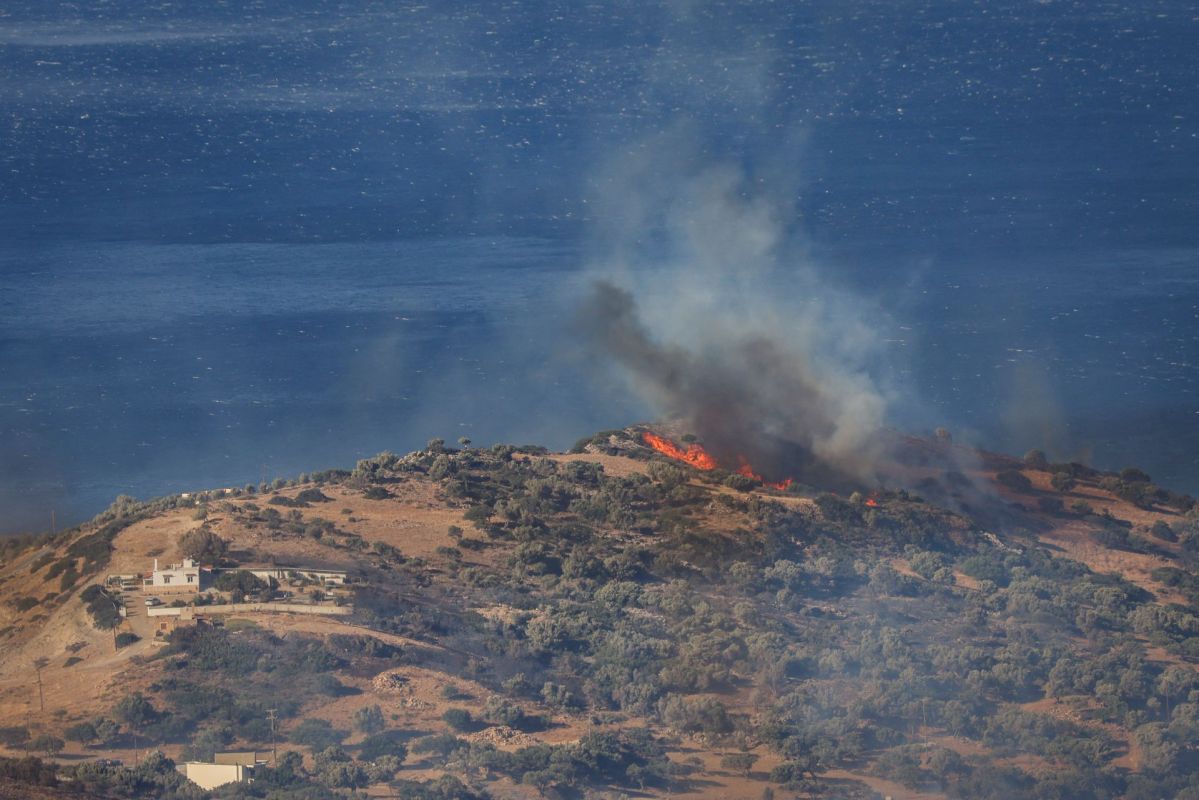
Three firefighters have died in Greece as deadly wildfires are tearing across southern Europe. Repeated heat waves and strong winds are making the flames harder to contain, according to The Guardian.
What happened?
The Guardian reported that Greece's fire department said the three deaths came as crews fought blazes on Crete and in the southern mainland, with extreme heat making firefighting across the region more difficult.
The heat emergency is stretching across several countries.
In Bordeaux, France, temperatures reached 100.4 degrees Fahrenheit as firefighters kept a huge forest fire from reaching the suburbs.
In Madrid, temperatures rose to 98.6 F, and officials said that the record-setting blaze west of the capital had been "technically stabilised."
Major fires are also burning in Greece and Turkey.
TCD Picks » Quince Spotlight
💡These best-sellers from Quince deliver affordable, sustainable luxury for all




A separate fire near València was still out of control, and fresh evacuations were reported in Greece and Turkey.
Spanish Prime Minister Pedro Sánchez said it was the first time in the country that a wildfire had been escalated to "operational level 3," putting the national government in charge of the response.
Why is this concerning?
These disasters put public health and community safety at risk. Smoke pollution can worsen breathing problems and heart conditions, evacuations strain emergency systems, and scorched farmland and forests can damage local economies for years.
Across southern Europe, more than 330,000 residents and visitors have had to evacuate, and heat waves this summer are estimated to have cost grain farmers €2 billion (about $2.3 billion) in lost crops.
With vegetation repeatedly dried out by heat waves, forests and shrubland have become tinderboxes, and scientists and officials say climate change is making Europe's wildfire season hotter and longer.
The European Union's crisis management team now expects difficult weeks ahead, with fears of more wildfire outbreaks later this summer.
What's being done?
As conditions worsen, European countries are sharing aircraft, crews and vehicles to fight the fires.
The European Commission said France had received seven planes and four helicopters from partner countries. Spain received six planes, 134 personnel and 41 vehicles from international partners.
The Madrid effort was also expected to receive a Serbian Super Puma helicopter and additional crews.
Romania and Greece are extending their missions, and Poland is set to join the response. European Commission President Ursula von der Leyen thanked firefighters for their "courage and commitment" and said, "As the fires in France and Spain continue to ravage, European solidarity knows no limit."
Officials are also urging a stronger focus on prevention, not just emergency response.
Earlier European Commission policy guidance promoted measures such as restoring wetlands and rivers, expanding grazing to reduce fuel for fires, improving fire data, and raising public awareness about risky behavior and evacuation safety.
"I believe the next 12 hours will be very important," Sánchez said. "They are going to be decisive in consolidating the work done by the national civil protection system."
Wildfire expert Moisés Galán Santano added, "We need to focus on prevention."

Get TCD's free newsletters for easy tips, smart advice, and a chance to earn $5,000 toward home upgrades. To see more stories like this one, change your Google preferences here.






