


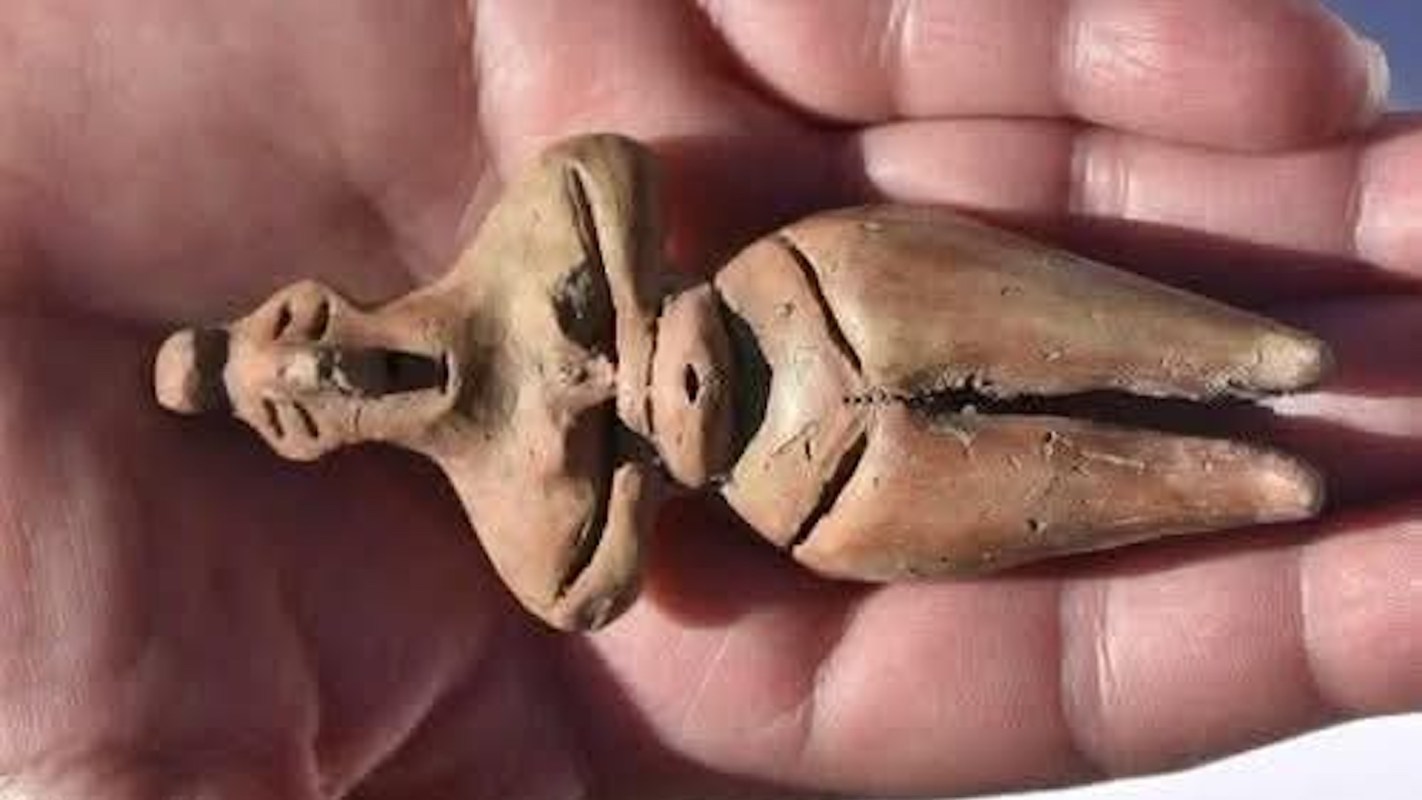
Eight thousand years ago, someone pressed a finger into wet clay in what is now western Turkey — and that tiny mark remains visible.
According to Daily Galaxy, archaeologists say those preserved fingerprints are offering an unusually personal glimpse into who helped make some of the region's earliest pottery: not only skilled adults, but also men, women, and children.
What happened?
Archaeologists examining Ulucak Mound in the Kemalpaşa district of İzmir province found fingerprints on clay loaves and other ceramic materials from a pottery workshop dated to about 6000 to 5840 BC. The workshop was part of a six-room complex that also contained tools, pigments, unfinished pottery, and other craft supplies.
Since 2009, Trakya University professor Özlem Çevik has led the excavation. Several of the fingerprints belonged to children up to 11 years old, and she told Newsweek the discovery is changing how specialists think about the beginnings of ceramic production in the region.
"The case of Ulucak suggests that no gender differentiation has been evidenced during the initial steps for specialized pottery production," she said.
Why does it matter?
A fingerprint is direct physical evidence of a person's presence, labor, and touch. In this case, it challenges older ideas that pottery production took place only in domestic spaces or was limited to one segment of society. Instead, it points to a community where craft knowledge may have been shared across ages and genders, even if some workers were especially skilled.
TCD Picks » Quince Spotlight
💡These best-sellers from Quince deliver affordable, sustainable luxury for all




Long before factories existed, communities were developing organized production systems, using dedicated spaces, specialized tools, and repeated techniques to make useful goods. Everyday objects such as bowls, storage jars, and cooking vessels once depended on local expertise, teamwork, and careful knowledge of materials.
What's being done?
Researchers are continuing to study the fingerprints and the tools found alongside them to better understand how the workshop operated. The recovered materials included unfinished coil-built vessels, polishing stones, bone tools for smoothing surfaces, grindstones to prepare colorants, and red pigment lumps that may have been hematite.
Modern imaging may also help scientists examine the impressions in greater detail. As Çevik explained to Newsweek, "This depends on the state of a fingerprint's preservation."
Çevik added that further analysis will focus on what separated household pottery making from workshop production — whether the difference came down to clay preparation, shaping methods, or a higher level of training.

Get TCD's free newsletters for easy tips, smart advice, and a chance to earn $5,000 toward home upgrades. To see more stories like this one, change your Google preferences here.






