


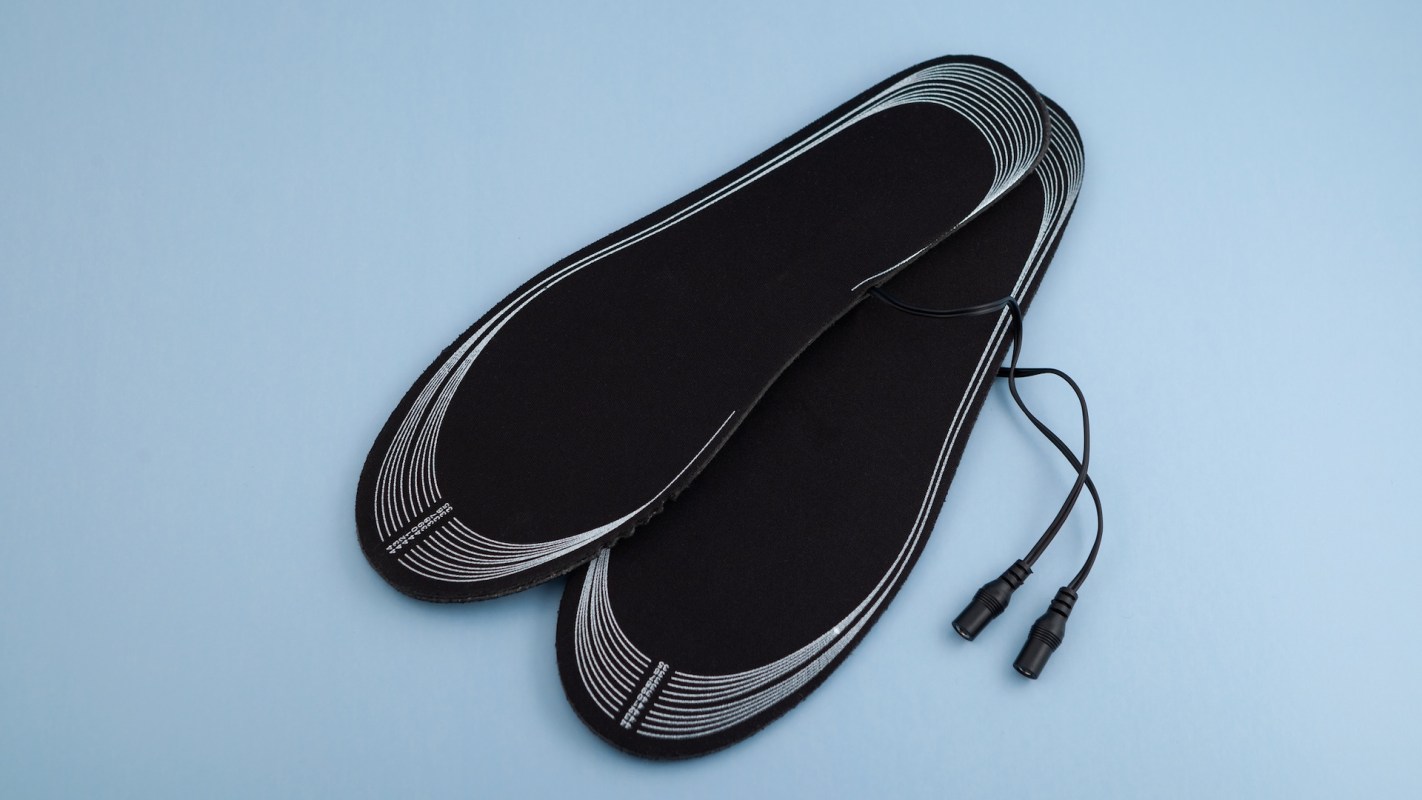
Shoppers looking for a cool-weather comfort item may want to take note of a new federal warning about heated insoles sold online. According to the U.S. Consumer Product Safety Commission, some of the products can catch fire even when switched off.
What happened?
Federal regulators are urging consumers to stop using COOWALK and COOWALI heated insoles right away. The agency says a lithium-ion battery in the heel can overheat, explode, or ignite, creating a serious risk of burns and house fires.
Burn injuries can require extensive medical care, time away from work, and long recovery periods. A sudden house fire can also destroy property and put children, pets, and neighbors at risk.
The U.S. Consumer Product Safety Commission says it has received 26 reports involving fires, explosions, and other thermal incidents linked to the insoles. It says those incidents led to at least 23 burn injuries, including second- and third-degree burns severe enough to require skin grafts.
According to the CPSC, the insoles were manufactured in China by Shenzhen Kubuzhineng Kejiyouxiangongsi and sold on Amazon.com and GearTrade.com between August 2022 and May 2026. They were offered in black and red, operated with a remote, and marked "COOWALK" or "COOWALI" on the sole.
The CPSC says the manufacturer has not responded to the agency's requests for a recall or more information about the product.
TCD Picks » Quince Spotlight
💡These best-sellers from Quince deliver affordable, sustainable luxury for all




What can I do?
The CPSC says anyone who has the heated insoles should stop using them immediately.
The CPSC also says consumers should not throw the insoles in the trash, curbside recycling, or battery recycling boxes at retailers or home improvement stores. The agency says defective lithium-ion batteries require special disposal because they pose a higher fire risk than ordinary used batteries.
Instead, the CPSC advises consumers to contact their local household hazardous waste collection center first to ask whether it accepts defective lithium-ion batteries before bringing the insoles in. If it does not, the agency says to contact your municipality for disposal guidance.
Anyone who has experienced a fire, injury, or product defect involving the insoles can file a report with the CPSC at SaferProducts.gov.

Get TCD's free newsletters for easy tips, smart advice, and a chance to earn $5,000 toward home upgrades. To see more stories like this one, change your Google preferences here.






