


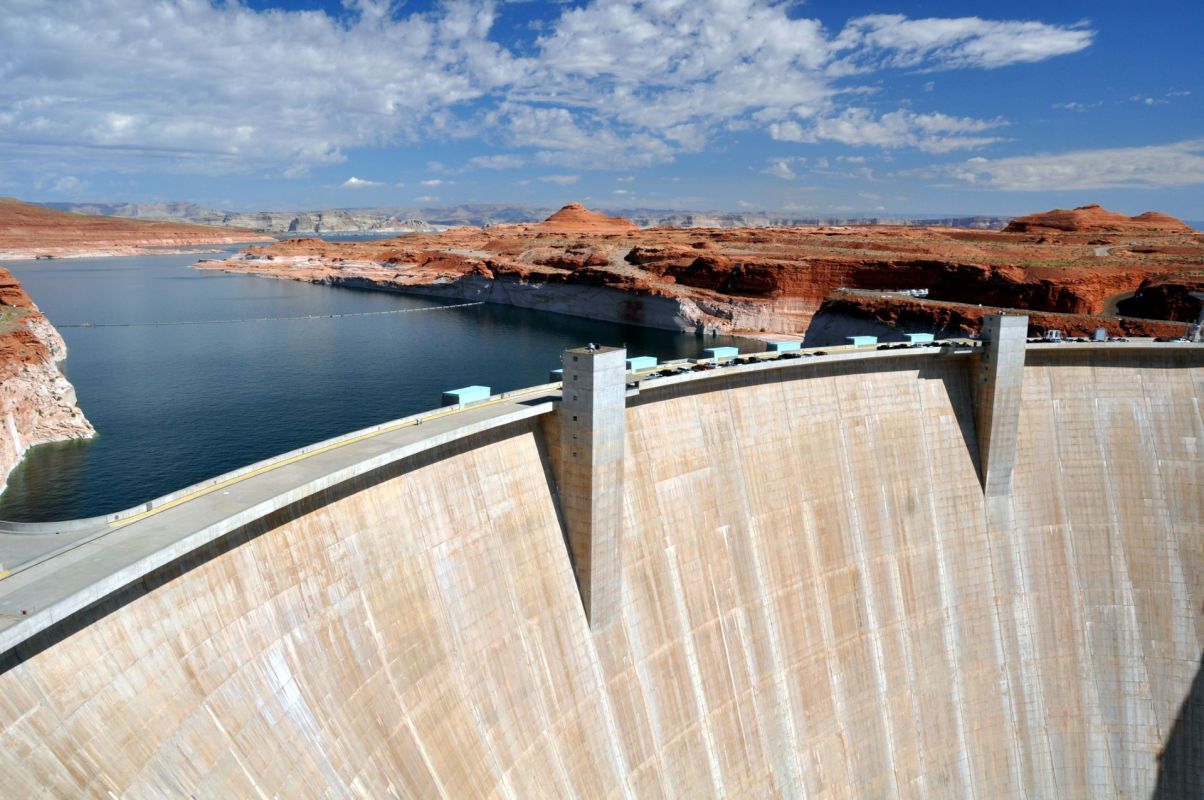
Southern California is set to receive federal funding for an unusual but increasingly necessary strategy.
Under a newly approved arrangement, the Metropolitan Water District of Southern California could collect up to $65 million by keeping part of its Colorado River supply in Lake Mead, where falling water levels are straining regional supplies and threatening power generation at Hoover Dam.
What's happening?
As Newsweek reported, Metropolitan's board approved an agreement with the U.S. Bureau of Reclamation that would pay the district $325 for each acre-foot of Colorado River water it leaves in Lake Mead in 2026, up to 200,000 acre-feet.
If Metropolitan reaches that limit, the payment would total $65 million. The district said an acre-foot equals about 326,000 gallons, which is roughly enough water for three Southern California households.
The funding comes from the Lower Colorado River Basin System Conservation and Efficiency Program, created under the 2022 Inflation Reduction Act. Metropolitan said the deal is workable thanks to investment in water conservation, recycling, groundwater recovery, storage, and diversified supplies.
The board also signed off on two related agreements tied to partnerships with the Quechan Tribe and Bard Water District. Those could help conserve up to 19,000 acre-feet of agricultural water each year in 2027 and 2028 by sending that water to the reservoir.
TCD Picks » Quince Spotlight
💡These best-sellers from Quince deliver affordable, sustainable luxury for all




Why does it matter?
Lake Mead, the largest reservoir in the United States, is still being squeezed by drought and poor runoff across the Colorado River Basin. Metropolitan said this year's record-low basin snowpack is expected to bring the reservoir to its lowest level since it was first filled.
The U.S. Bureau of Reclamation said in April that persistent drought had left the Colorado River system storage at about 36% of capacity. The river helps support water supplies, recreation, ecosystems, and hydropower throughout the Southwest and into Mexico.
The department also said 35 million to 40 million people rely on the Colorado River for at least part of their municipal water. Metropolitan alone serves nearly 19 million people in Los Angeles, Orange, Riverside, San Bernardino, San Diego, and Ventura counties.
Lower water levels also pose an energy risk. Metropolitan said Hoover Dam's hydropower generation capacity could be cut by 70% if Lake Mead drops too far, threatening a key electricity source for the region.
What's being done?
Instead of drawing its full share, Metropolitan will be paid to keep some of that water in the reservoir, an approach the district credits to decades of conservation work.
Since 1990, Metropolitan and its ratepayers have put $1.7 billion toward conservation, water recycling, and groundwater recovery, generating more than 8.8 million acre-feet of water, the district said.
The new agreements are part of a regional collaboration among cities, tribes, farmers, and federal agencies to stretch limited supplies. Water managers across the Colorado River Basin are facing similar situations elsewhere on the river, as drought squeezes farms and cities that depend on the same shrinking supply.
As Newsweek reported, Metropolitan board chair Adán Ortega Jr. said Southern California's long-term water investments had "added resilience" to the system and allowed the district "to step forward and help stabilize the Colorado River when it needs us most."
Metropolitan General Manager Shivaji Deshmukh called the agreements "important near-term support."

Get TCD's free newsletters for easy tips, smart advice, and a chance to earn $5,000 toward home upgrades. To see more stories like this one, change your Google preferences here.






