


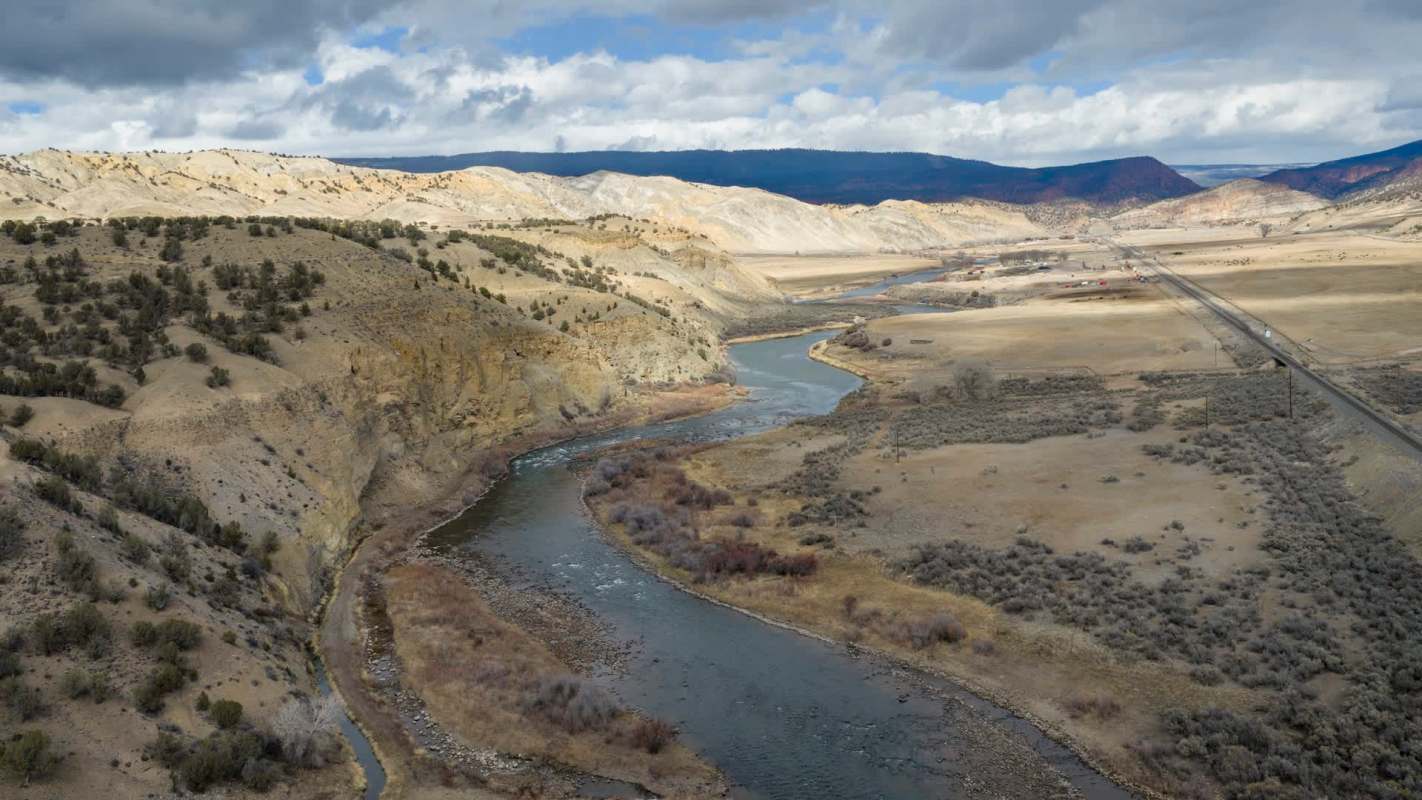
At the Colorado River's source, the water is disappearing.
In Colorado's Rocky Mountain headwaters, places once fed by spring streams and ponds have turned into cracked mud, highlighting the growing strain on a crucial Western water supply.
What's happening?
An unusually hot and dry year in Colorado has left meadows that would normally be soaked with runoff instead drying out, while ranchers search for enough water for their cattle.
"I grew up here and have never seen the creeks and the springs dried up like they have this year," rancher Merrit Linke said. "There's just not any water."
The danger extends far beyond the state. Lake Mead is just 28% full, and Lake Powell, at 24%, is nearing levels that could put hydropower generation at risk.
According to the Los Angeles Times, the Colorado River provides water for about 35 million people and irrigates more than 5 million acres of farmland across the Southwest.
TCD Picks » Quince Spotlight
💡These best-sellers from Quince deliver affordable, sustainable luxury for all




Researchers say this goes beyond a single bad season. Federal data show the river's flow has averaged 21% below the previous century's norm since 2000 and has dropped by about 32% since 2020.
Why does it matter?
The Colorado River is deeply woven into everyday life: drinking water, grocery prices, electricity, farm jobs, and local economies all depend on it.
Cities are already restricting outdoor watering, even though agriculture still uses roughly three-fourths of the water taken from the river. That water supports crops such as alfalfa, corn, lettuce, and broccoli.
Worsening extreme weather disasters also threaten lives and livelihoods. When heat and drought deplete rivers, communities can be left with less reliable water, higher wildfire risk, damaged ecosystems, strained power supplies, and major financial losses for farmers and ranchers.
Becky Mitchell, Colorado's river commissioner, said, "We definitely feel like we're on the front lines of climate change."
Brad Udall, a water and climate scientist at Colorado State University, put it even more starkly: "It's frightening. It should shake people to their core about what climate change can do and is doing."
What's being done?
To help Lake Powell stay high enough to keep producing electricity, federal officials are taking emergency action by releasing extra water from upstream.
The seven Colorado River basin states still haven't agreed on how to share water cuts that are both painful and increasingly unavoidable.
Farmers and ranchers are already making tough choices, from leaving fields unplanted and using less irrigation to selling cattle. In California and Arizona, some growers have taken federal payments to temporarily leave land dry.
Options being discussed include more efficient irrigation, crops that require less water, expanded wastewater reuse, and even coastal desalination. Some experts say the region may also have to permanently retire some farmland.
"This is terrifying," rancher Doug Bruchez said.
Bill Fales voiced a similar warning: "We all need to start living within our means, and as a society, we've been living like there's no tomorrow."

Get TCD's free newsletters for easy tips, smart advice, and a chance to earn $5,000 toward home upgrades. To see more stories like this one, change your Google preferences here.






