


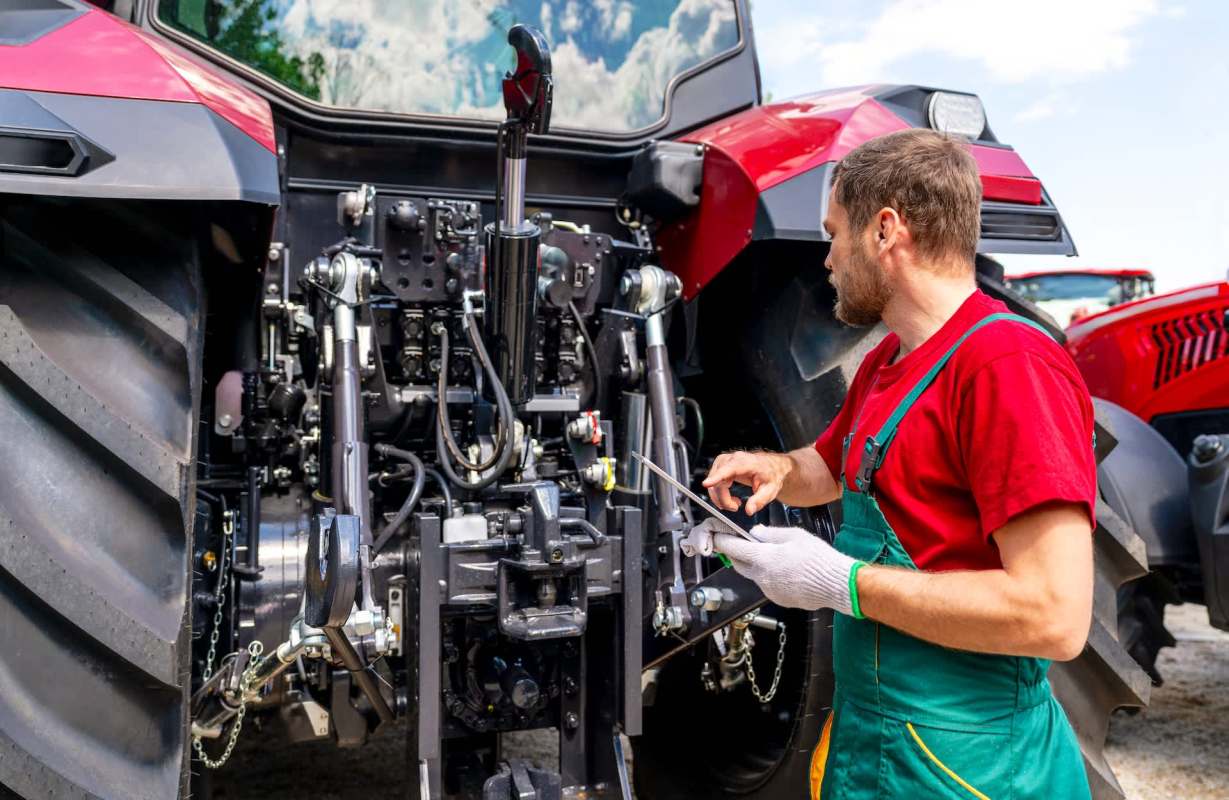
For Aaron Lehman, a fifth-generation farmer in central Iowa and president of the Iowa Farmers Union, newer farm equipment can offer major gains in efficiency, but only if the person who buys it can actually control and maintain it.
That sticking point has made him think twice about upgrading his tractors and put a human face on the growing national battle over right-to-repair laws, according to the Guardian.
Here's what to know
Restrictions that can keep owners from fixing their own equipment have made Lehman wary of newer models.
A fifth-generation farmer who also serves as president of the Iowa Farmers Union, he works 500 acres and uses six tractors.
Across the country, complaints like his have helped drive a surge of legislation.
The Public Interest Research Group says lawmakers in 22 states have introduced more than 50 right-to-repair bills covering products that range from phones and cars to motorcycles, wheelchairs, aircraft, and construction equipment.
TCD Picks » Quince Spotlight
💡These best-sellers from Quince deliver affordable, sustainable luxury for all




One Iowa proposal passed the state House in April.
It would require manufacturers to offer consumers and independent repair shops documents, parts, software, firmware, and tools at "fair and reasonable terms and costs."
"We think it is common sense that when stuff breaks, you should be able to fix it," said Nathan Proctor, senior director of the right-to-repair campaign for PIRG.
More background
Backers of right-to-repair laws argue that repair restrictions can leave people stuck with costly manufacturer-approved service or force them to replace products earlier than they otherwise would.
That raises costs for farmers, drivers, and device owners while generating more waste.
An EBSCO report traced the issue back to the 1920s, when some automakers made repairs more difficult in an effort to increase new-vehicle sales.
Massachusetts became the first state to pass an automotive right-to-repair law in 2012, and an industry agreement followed in 2014 to provide independent shops with important repair information.
The argument has become sharper as more products depend on software and digital systems.
Federal lawmakers are supporting the Repair Act, which would stop carmakers from using technological or legal barriers to prevent vehicle owners from accessing data generated by their cars.
Opponents, though, claim broader repair access involves risks.
The Alliance for Automotive Innovation argued in court that wider access to vehicle data would "reduce the security of these systems, seriously hampering manufacturers' attempts to keep vehicle data and vehicle systems safe."
Ike Brannon, a senior fellow at the Jack Kemp Foundation, also said advocates have "greatly exaggerated the problem."
What's being done?
The policy fight is moving on two fronts, with states weighing how broad repair rights should be and Congress considering federal vehicle rules.
In Iowa, Lehman said the bill appears to be gaining support.
"The momentum is building," he acknowledged.
Supporters also argue that expanding repair access would not eliminate safeguards tied to trade secrets or emissions requirements.
Proctor said companies have pushed the definition of intellectual property too far, while Lehman said easier repairs would not give farmers permission to break environmental law.
Independent repair shops say they are seeing some benefits.
Travis Bruce, who has worked for seven years at the Fix Hut in Portland, Oregon, said the right-to-repair movement has made it "substantially easier to get access to" necessary parts. He also said customer demand has risen, with the shop's revenue up 15%.
"We are unfortunately in a culture where we don't really own anything anymore," Bruce stated. "I think it's really important that we are able to preserve the stuff that we do own and make it last as long as we possibly can."

Get TCD's free newsletters for easy tips, smart advice, and a chance to earn $5,000 toward home upgrades. To see more stories like this one, change your Google preferences here.






