


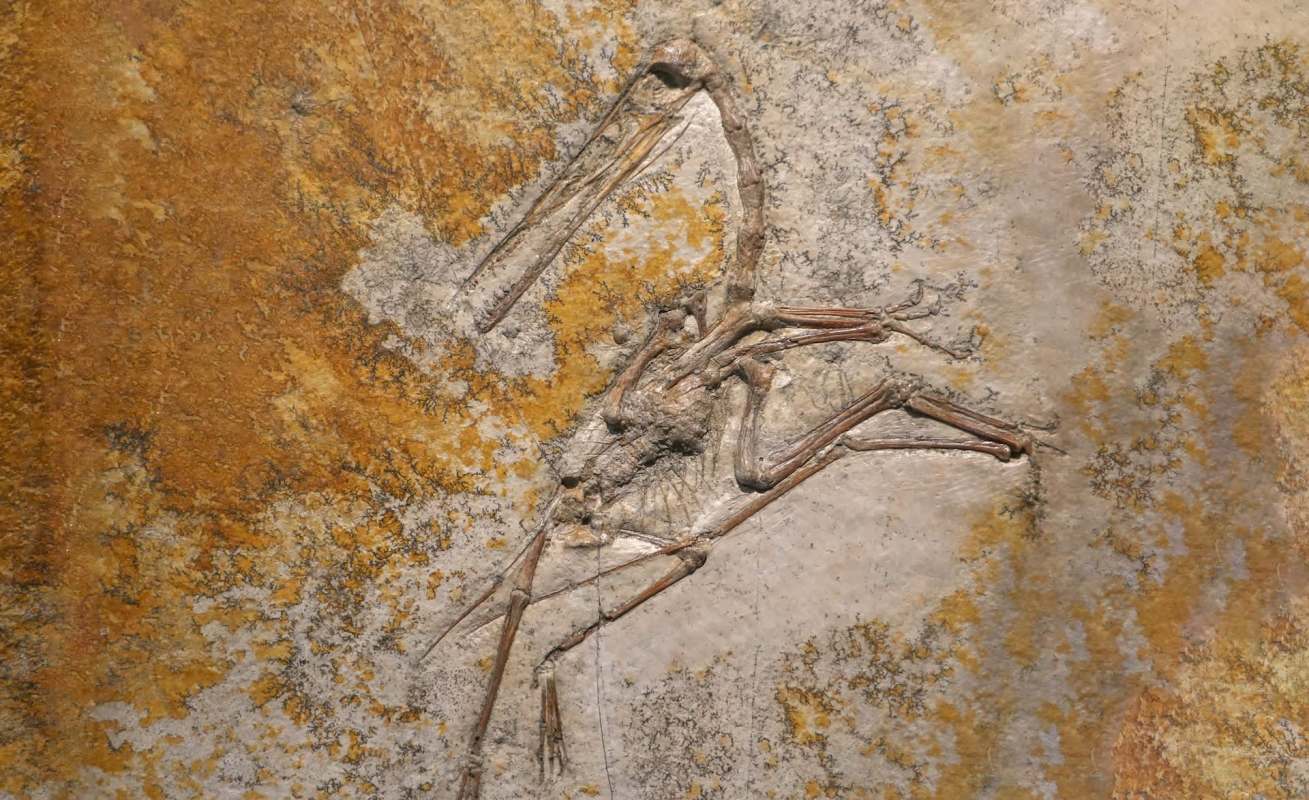
Researchers in Taiwan traced a donated fossil bone to an unrecognized Ice Age bird. It wasn't just any bird, but rather an extinct peacock species that lived only on the island, as Central News Agency reported.
Beyond identifying a bird previously unknown to science, the find closes a gap in Taiwan's avian fossil record and provides a rare look at extinction events that happened long before modern human-driven ecosystem change, the outlet noted.
What happened?
The key specimen was a well-preserved humerus donated by fossil collector Hou Li-jen, which National Taiwan University researchers linked to a previously unknown peafowl from the Pleistocene, about 2.58 million to 11,700 years ago, as CNA detailed.
The study of the fossil, led by Lan Yung-chieh in collaboration with Tsai Cheng-hsiu and Gerald Mayr, was published in the journal Royal Society Open Science and then announced by NTU.
By examining the bone's morphology, the team determined it came from a species unique to Taiwan, which they named Pavo miejue.
The NTU said the name means "extinct peacock" and that the bird was larger than the Mikado pheasant, Taiwan's biggest living endemic bird, which appears on Taiwan's $1,000 banknote.
TCD Picks » Quince Spotlight
💡These best-sellers from Quince deliver affordable, sustainable luxury for all




Why does it matter?
Because Pleistocene fossils are scarce in East Asia, identifying another species from that period adds an important entry to the record, according to CNA's summary of the study abstract.
That lack of material has limited scientists' ability to track how the region's bird life changed over time and which species vanished.
Researchers said Pavo miejue is Taiwan's first identified extinct bird species from the Pleistocene.
CNA also said the fossil expands the known range of the genus Pavo, the group that includes modern peafowl, into East Asia. That revelation adds insights to how ancient birds were spread across the region.
According to CNA, the team said that examining older extinction events could help scientists better understand the ongoing Holocene extinction, a term often used for modern species losses linked to human activity.
What are people saying?
NTU said the fossil made it possible to identify a Taiwan-endemic bird species that had not previously been recognized by science.
The researchers said they intentionally chose the name in part to draw public attention to extinction events in the distant past, CNA noted.
The outlet added that researchers say a shortage of Pleistocene bird fossils in East Asia has hampered research into avian extinctions there. This fossil provides a starting point in that area.

Get TCD's free newsletters for easy tips, smart advice, and a chance to earn $5,000 toward home upgrades. To see more stories like this one, change your Google preferences here.






