Experts from India are nearly making electricity from thin air.
The result could be a sustainable clean energy source for small electronic devices, according to The Times of India.
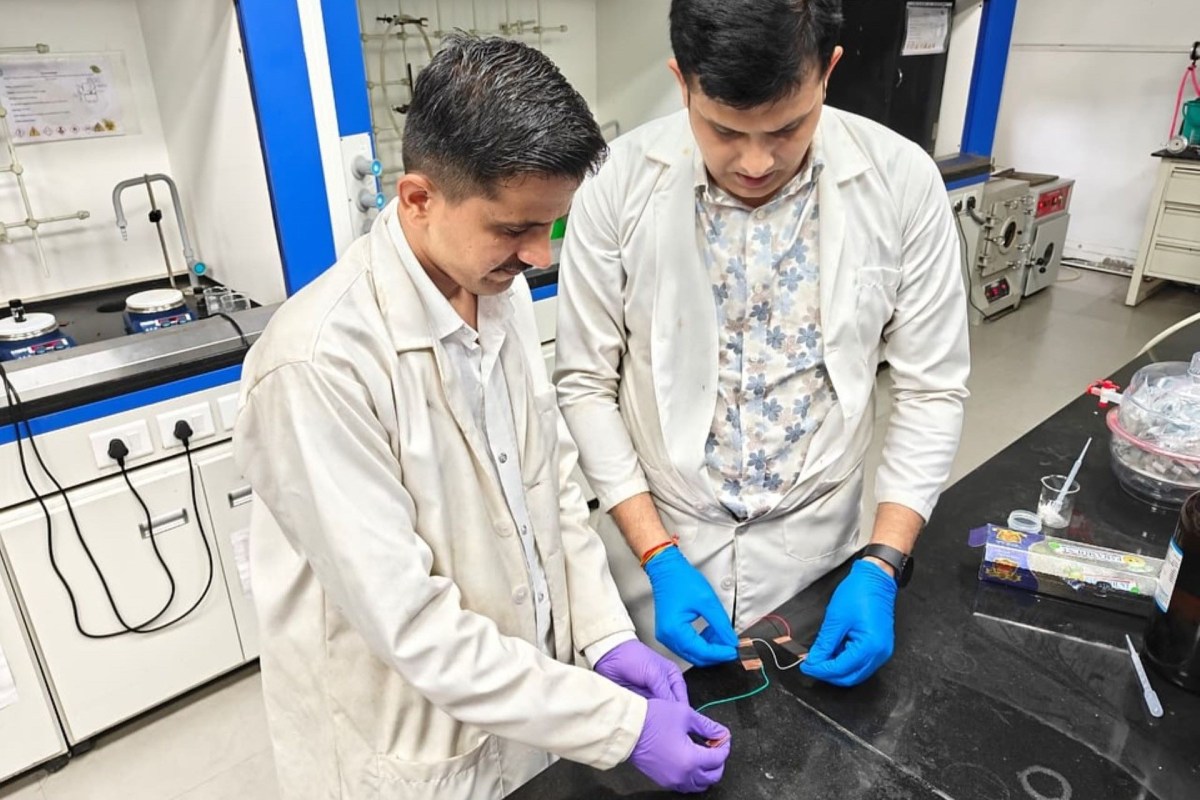
The scientists from the Indian Institute of Technology Indore are using a special membrane made of graphene oxide and zinc-imidazole.
The materials were pulled from the lab shelf because they combine to form a thin and stable layer with microscopic channels. When it's partially submersed in water, water travels up the pathways, driven by evaporation. Positive and negative ions are separated at opposite ends, creating a steady voltage.
"Think of it as a self-charging power source, fueled by nothing more than air and water. As long as evaporation continues, the device generates electricity — quietly, cleanly, and sustainably," study lead Professor Dhirendra K Rai told the Times. He added that affordability for rural and off-grid use was a focal point for the researchers.
Innovators elsewhere are harnessing energy from water in odd ways. An international team of researchers has captured electricity made when low-speed wind passes over water droplets. Other experts are generating a charge from water droplets falling through specially designed tubes.
TCD Picks » Quince Spotlight
💡These best-sellers from Quince deliver affordable, sustainable luxury for all




In India, a small piece of the institute's membrane can generate three-quarters of a volt.
The team envisions the tech powering sensors in forests and on farms, according to the Times. The membranes could energize lights during blackouts or keep low-power wearable medical equipment running. It's portable and lightweight, and works day or night. It even functions with dirty water, the report continued.
"This innovation is a testament to IIT Indore's vision of creating knowledge that matters to society," Rai said.
While not a grid-supporting breakthrough, the tech is part of innovations in cleaner energy creation and storage that limit production of heat-trapping air pollution.
|
Should we be harnessing the ocean to power our homes? Click your choice to see results and speak your mind. |
 Absolutely 👍
 About 91% of the excess heat being produced is absorbed by our oceans, the National Oceanic and Atmospheric Administration reported. Melting ocean glaciers and ice sheets are part of the fallout, per NOAA experts. As a result, rising sea levels are making some places around the world hazardous.
At home, solar panels remain one of the best energy upgrades that can lower or even eliminate your utility bill. EnergySage is a trusted, free resource that can help you navigate the complicated process of comparing quotes, finding an installer, and securing all applicable rebates.
Fast action can lock in federal tax credits worth up to 30% of the installation cost. The perks expire at the end of the year due to government policy changes. EnergySage's guidance can save you up to $10,000.
In India, the team sees evaporation as a tool that can be harnessed as we shift to a cleaner energy future.
"The reliance on fossil fuels has destabilized ecosystems and intensified environmental pollution, driving the urgent need for sustainable and clean energy alternatives," they wrote in the introduction to their findings, which were published in the Chemical Engineering Journal.

Join our free newsletter for weekly updates on the latest innovations improving our lives and shaping our future, and don't miss this cool list of easy ways to help yourself while helping the planet.