


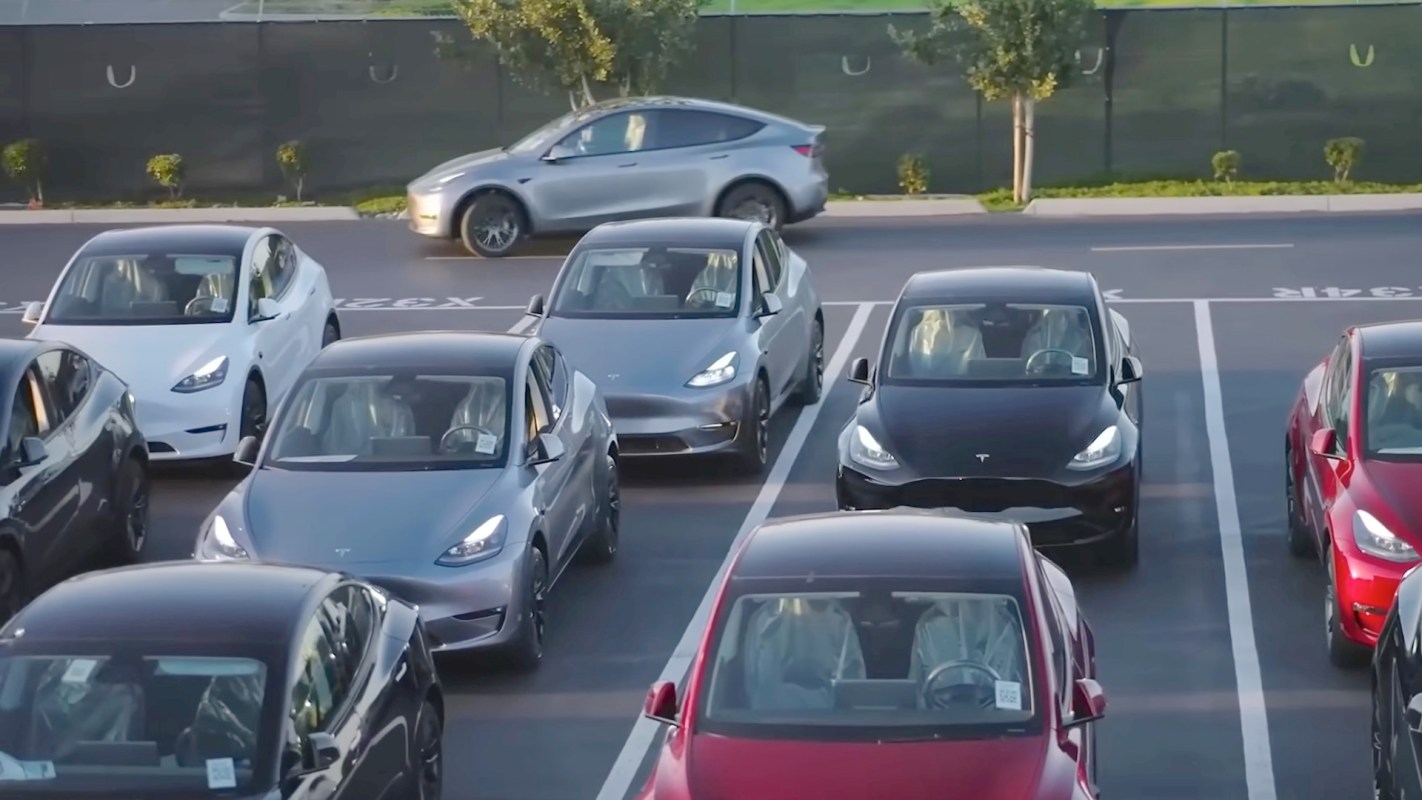
Electric vehicle sales are continuing to rise even as the broader auto market loses steam, suggesting the shift is no longer confined to a handful of early adopter countries or major brands.
What's happening?
In Q2 2026, 50 countries posted their highest-ever quarterly EV sales, according to a summary of International Energy Agency figures from Sam Evans of The Electric Viking (@electricviking). This took place even as the global car market fell 5% over the first half of 2026.
In a YouTube video, Evans says the IEA's newest numbers were notable not just for their size but also for where they occurred: China and the United States. He described the countries as the world's two biggest auto markets, which were both weak during the period. Even so, he says the data showed that "global EV sales jumped 35% in the second quarter of 2026 compared to the first quarter."
Australia, Brazil, India, Korea, and Vietnam were among the markets highlighted, with EV sales from March through June running at least double their levels from the same period in 2025, based on his summary of the data. Across the broader market, he says, more than 90 countries recorded year-over-year EV sales growth in the first half of 2026.
He says the IEA has become slightly more optimistic about 2026, revising its forecast so that EVs now represent 29% of global car sales in 2026 rather than the 28% it projected in May. He adds that, despite wider weakness in China's auto market, the agency still expects EVs to account for more than 60% of new-car sales there in 2026.
Why does it matter?
Transportation remains a major source of climate pollution, so faster EV adoption could have significant effects on both the environment and household budgets.
TCD Picks » Quince Spotlight
💡These best-sellers from Quince deliver affordable, sustainable luxury for all




The Electric Viking argues that oil dependence remains a major vulnerability because road vehicles use nearly half of the world's oil, exposing drivers when conflict or other supply disruptions send fuel prices higher.
The latest figures also suggest the transition is no longer dependent on a single country to carry the market. Even with softness in China and the U.S., buyers in dozens of other markets continued pushing EV sales upward, pointing to broader demand for cleaner, lower-cost driving options.
Increased competition tends to improve both pricing and vehicle selection. If automakers continue releasing more affordable electric models — and if charging infrastructure becomes easier to access — buyers could see more practical options at dealerships alongside lower fueling and maintenance costs over the life of a vehicle.
What's being done?
Some of the momentum appears to come from longer-term industry changes. Falling battery costs, expanding charging access, and a stronger international push from manufacturers are helping make EVs more competitive.
Those trends could help address the biggest concerns that buyers still cite: cost, convenience, and range confidence.
The Electric Viking also cites an IEA estimate pointing to a sizable stock of Chinese EVs outside China. After exporting nearly as many EVs in the first half of 2026 as it did in all of 2025, China had sold only about two-thirds of those vehicles, leaving more than 1 million Chinese-made EVs in inventory worldwide.
That kind of surplus could lead to more aggressive pricing, especially in emerging markets.
As one commenter on the video wrote, "The data speaks for itself. Falling battery prices and expanding charging networks are removing the final barriers for everyday buyers."
Another commenter agreed: "The future is electric. OLD legacy management is looking to the past and trying to project it to the future. They are wrong."

Get TCD's free newsletters for easy tips, smart advice, and a chance to earn $5,000 toward home upgrades. To see more stories like this one, change your Google preferences here.






