


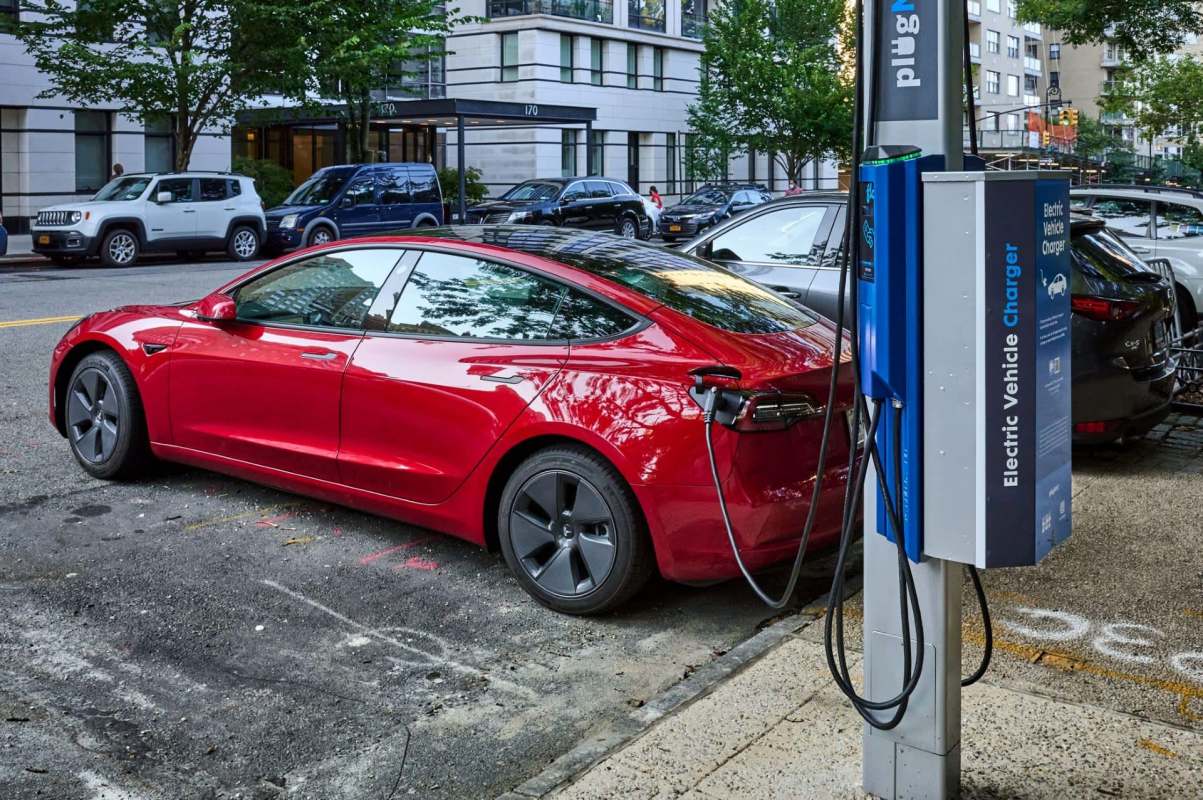
For many electric vehicle drivers, the biggest headache is not range anxiety or sticker price. It is the frustration of public charging, which can still be less seamless than filling up at a gas station.
A fast-growing Reddit discussion shows just how common that pain point has become for U.S. drivers trying to take EVs beyond their daily commutes.
What's happening?
In an r/electricvehicles thread, an EV owner zeroed in on what they saw as the most aggravating part of ownership: a charging landscape spread across too many networks.
"I shouldn't need to have eight different apps on my phone to make sure that I'm covered for all the various charging stations in a 300-mile radius," the poster wrote.
Beyond the app overload, the complaint covered other public charging hassles too, including adapters, account creation, and unknown prices.
"It shouldn't be a complete crapshoot to guess how much a charger will cost me before I park at it," the poster added.
TCD Picks » Quince Spotlight
💡These best-sellers from Quince deliver affordable, sustainable luxury for all




Why does it matter?
The conversation points to a barrier to wider EV adoption. Drivers may love the low maintenance, quiet ride, and ability to charge at home, but confidence in road trips still depends on a charging system that works simply and predictably.
The poster made clear this was less of a daily-use issue than a travel one, saying they had "a Level 2 charger installed at home" and "don't run into this problem often," underscoring one of the biggest consumer perks of electrification.
Home charging can make day-to-day EV driving far more convenient and often cheaper than driving a gas vehicle, especially for commuters who plug in overnight.
But when public charging is confusing or expensive, those savings can be uncertain.
One commenter described stopping at a charger that cost "55 cents with their app, or 85 cents if paying by card."
The concerns also reflect a broader challenge for the EV market. If drivers cannot count on chargers being easy to use or transparent about cost, it makes it hard for electric vehicles to feel like a straightforward choice for long trips.
What's being done?
Some commenters said the industry was already moving, if unevenly, toward a simpler experience.
A few pointed to chargers with card readers or tap-to-pay terminals, while others mentioned "plug and charge" systems that start charging automatically.
There were also signs that policy will be critical in pushing the market in that direction.
"Biden's infrastructure bill mandated app-free payment to access public funding," one commenter wrote. "Trump rolled it back."
Others noted that some networks were trying app-free options, though reliability was mixed depending on the station.

Get TCD's free newsletters for easy tips, smart advice, and a chance to earn $5,000 toward home upgrades. To see more stories like this one, change your Google preferences here.






