


EU Environment Commissioner Jessika Roswall made a surprising and personal announcement in September: her own blood contains toxic chemicals known as PFAS, reported Phys.org.
PFAS, also known as "forever chemicals," are being found in more and more people across Europe and the world. Now, even this top EU official leading the fight against pollution says she is directly affected.
"It shows that I'm not free from PFAS," Roswall said, as reported by Phys.org. "Some of the PFAS in my blood are toxic for reproductive health."
Her test result is a wake-up call for all of us.
What's happening?
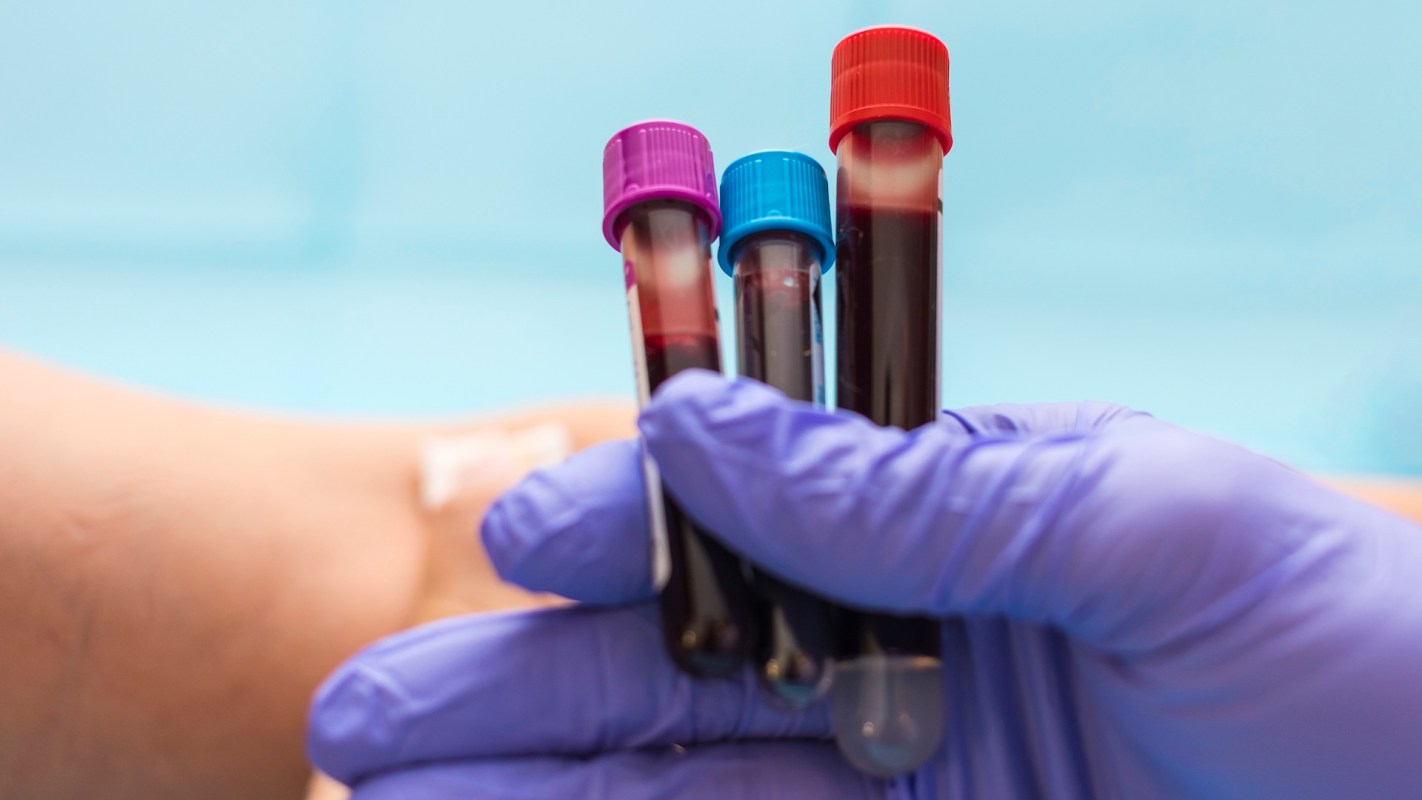
In July, Roswall joined other EU ministers in undergoing a voluntary blood test to check for PFAS. They're synthetic chemicals found in items like nonstick pans and stain-proof carpets.
These chemicals are known for being extremely long-lasting in the environment and the human body.
The results? Roswall tested positive for six out of 13 types of PFAS, including three known to be harmful to reproductive health. Some levels in her blood were above what experts consider safe.
"Citizens are increasingly exposed to PFAS in their blood," she said, as reported by Phys.org. "I myself am no exception."
Why is this concerning?
PFAS are linked to a long list of health issues. These include liver damage, high cholesterol, low birth weight, reduced immune response, and several types of cancer.
And the worst part? Even low levels of these chemicals, over time, can cause harm.
TCD Picks » Quince Spotlight
💡These best-sellers from Quince deliver affordable, sustainable luxury for all




|
Do you worry about having toxic forever chemicals in your home?
Click your choice to see results and speak your mind. |
 Majorly 😥
 Taking action right now is crucial. Fighting plastic pollution is about our environment, our health, our families, and our future. And this action is led by and for people affected by plastic pollution (which is to say, all of us).
What's being done about PFAS?
Phys.org reported that Roswall said her test result has "strengthened [her] resolve" to act.
The European Commission is planning to ban PFAS in consumer products by 2026, with some exceptions like medical tools.
Work is also underway to update EU laws on how dangerous chemicals are made and used. But progress has been slow, and delays have pushed back needed reforms. Environmental groups are urging the EU not to stall.
Still, Roswall's openness and determination offer hope. Her personal story puts real people at the center of this issue. It has the power to help push the EU closer to a healthier, safer future for all.

Join our free newsletter for weekly updates on the latest innovations improving our lives and shaping our future, and don't miss this cool list of easy ways to help yourself while helping the planet.
Cool Picks





