


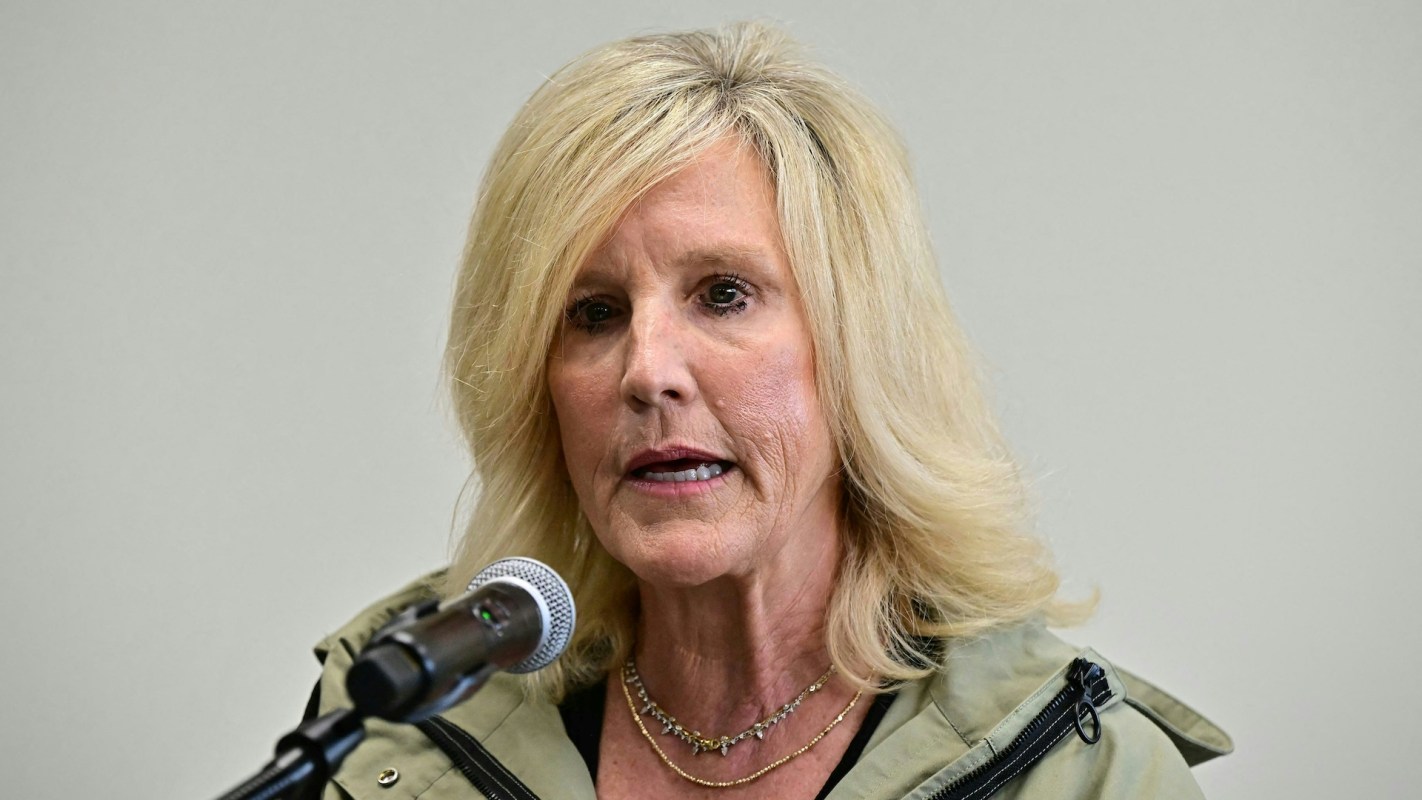
Erin Brockovich is turning her attention to a fast-growing corner of the AI economy: the data centers that power it.
Her latest project is designed to make those facilities easier for the public to track — and harder for developers and public officials to keep under wraps.
According to TechCrunch, Brockovich recently launched a website that maps data centers across the United States, with a particular focus on reports from people living near those projects.
The map is described as "a work in progress" and as a public-facing resource for communities that say they have been left in the dark about development nearby.
The effort follows a call Brockovich issued in April asking people to share concerns about nearby data centers. She said nearly 4,000 submissions came in during the first month.
"Every pin represents a real person who refused to be silent," she wrote.
TCD Picks » Quince Spotlight
💡These best-sellers from Quince deliver affordable, sustainable luxury for all




Brockovich, the environmental activist portrayed by Julia Roberts in the film about her legal battle against Pacific Gas & Electric, said one issue stood out above the rest: transparency.
Her criticism is not aimed at every data center or at AI development as a whole. Rather, she said, the problem is a recurring pattern in which projects move forward before nearby residents fully understand what is being built, how it could affect their communities, or what agreements may already be in place.
While data centers can bring jobs and digital infrastructure, they can also put strain on local communities. Residents have raised concerns about noise, water use, and the possibility of rising utility bills tied to large new industrial facilities.
Those concerns become more urgent as AI continues to expand. AI tools depend on energy-intensive computing systems, tying their growth more closely to the power grid.
For people living near proposed sites, the issue is often less about the broader growth of tech and more about everyday life.
According to Brockovich, many residents say their biggest frustration is not only the projects themselves but also the sense that major decisions are being made without meaningful public input.
Her new map, available at BrockovichDataCenter.com, is one attempt to change that dynamic.
By collecting community submissions and plotting facilities in one place, her website is meant to give residents a clearer picture of what is being built and where concerns are surfacing.
That kind of public tracking could make it easier for neighbors to compare experiences, ask better questions of local officials, and press for earlier disclosure when projects are proposed.
It could also help journalists, advocates, and policymakers identify patterns that might otherwise remain obscured by companies' limited disclosure about data centers.

Get TCD's free newsletters for easy tips, smart advice, and a chance to earn $5,000 toward home upgrades. To see more stories like this one, change your Google preferences here.






