


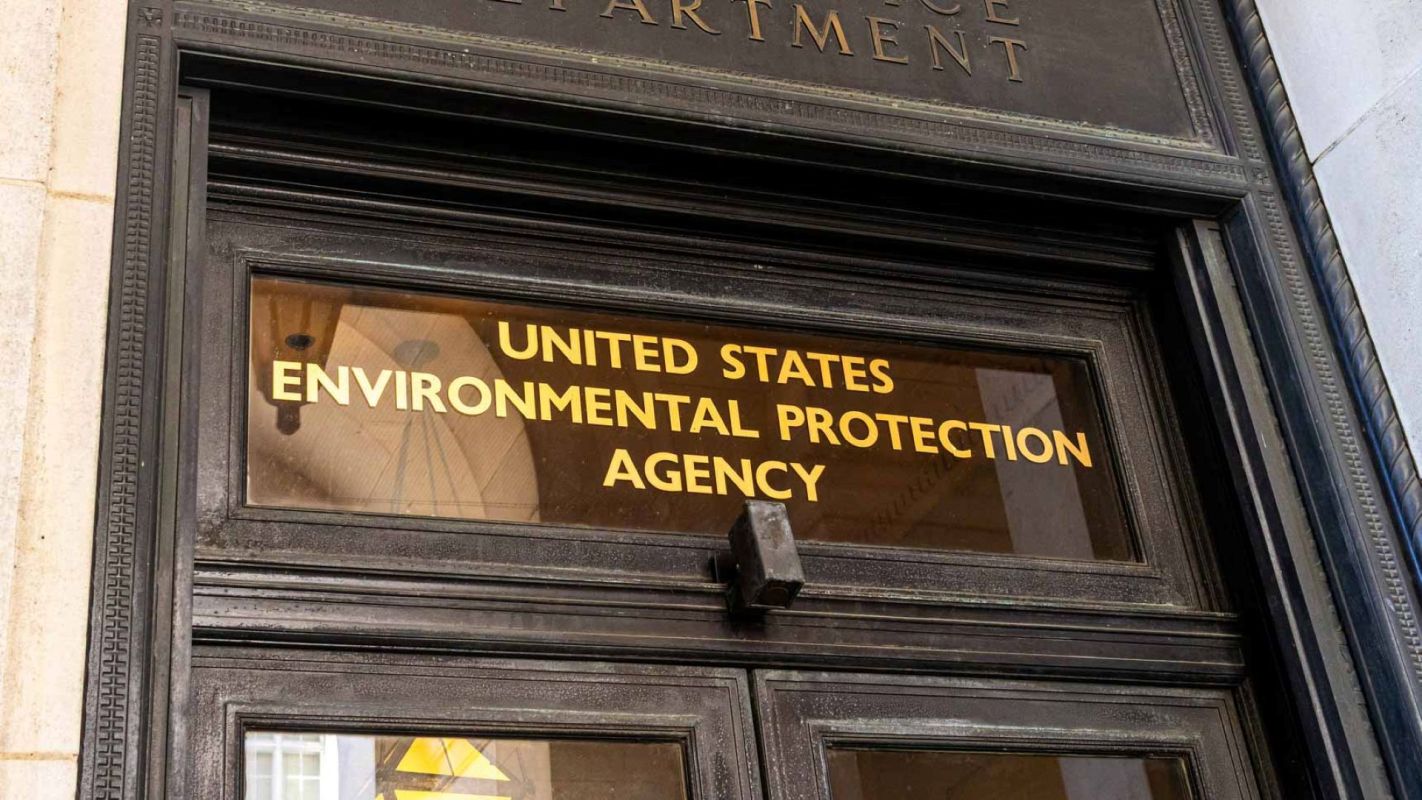
The Trump administration is proposing to roll back federal drinking water limits for some "forever chemicals," a move drawing fierce criticism from community advocates and unusual backlash across the political spectrum.
For families already living with contaminated water supplies, opponents say the change could make an already serious problem worse, Star News Online reported.
The U.S. Environmental Protection Agency announced a plan to scrap current national limits on certain PFAS chemicals in public drinking water and give utilities more time to meet restrictions on others. The original compliance deadline was 2029.
PFAS, short for per- and polyfluoroalkyl substances, are commonly called "forever chemicals" because they persist in the environment. The proposal would also revisit rules from the Biden administration that cap discharges of certain toxic PFAS from manufacturers and industrial sites.
EPA Administrator Lee Zeldin said the earlier rules were rushed and that the agency now wants standards that are "grounded in gold-standard science," practical, and legally defensible. The agency also said that delaying some requirements could allow water systems to take advantage of cheaper treatment as PFAS removal technology advances.
Critics say that the explanation misses the real issue. Geoff Gisler of the Southern Environmental Law Center told the outlet that the science is not the problem, calling the move a favor to chemical companies worried about compliance costs.
TCD Picks » Quince Spotlight
💡These best-sellers from Quince deliver affordable, sustainable luxury for all




In places such as southeastern North Carolina, where PFAS contamination has shaped local politics and daily life for years, advocates say weaker standards threaten public health and slow progress toward safer communities. Emily Donovan, co-founder of Clean Cape Fear, said the proposal lands especially hard in areas that have already spent years confronting pollution in their water.
Opponents also argue that the change undercuts one of the most important aspects of environmental protection: preventing contamination before it reaches households. If industries are allowed to continue releasing PFAS, utilities may ultimately be left to carry the burden of cleaning them up later.
Delays and weaker limits can leave families wondering whether their water is safe, force communities to spend years fighting for accountability, and make it harder to build a healthier future.
The EPA's proposal is not final. The agency will take public comments for 60 days and plans a virtual public hearing July 7.

Get TCD's free newsletters for easy tips, smart advice, and a chance to earn $5,000 toward home upgrades. To see more stories like this one, change your Google preferences here.






