


Recent action by the Environmental Protection Agency has renewed scrutiny from environmental advocates and communities concerned about "forever chemicals" in water, food, and human bodies, Waste Dive reported.
The move sets aside a PFAS risk assessment published in the closing stretch of the Biden administration in favor of a fresh draft from the agency.
What happened?
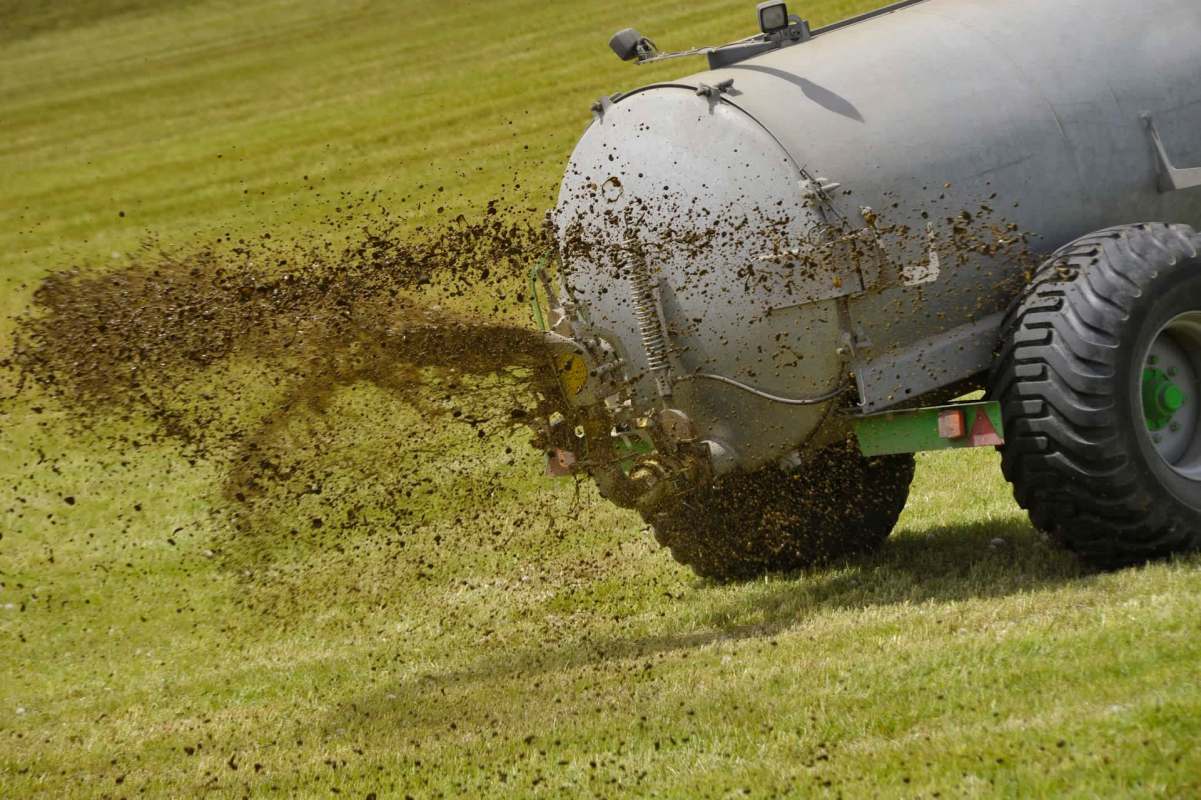
According to Waste Dive, the EPA unveiled new draft guidance addressing PFAS risks tied to biosolids, which is treated sewage sludge that is commonly used as fertilizer.
The EPA said in its July 1 announcement that the prior Biden-era assessment "relied on assumptions too disconnected from real-world conditions to give Americans clear, actionable information."
The Biden-era document had already sparked disputes. Business groups objected to it, but environmental and public health organizations urged the government to enact stricter limits on biosolids use. This push came after testing in some places found significant PFAS contamination on land where sludge was applied, per Waste Dive.
Biosolids are used in communities across the country, and the uncertainty around contamination has left farmers, nearby residents, and local governments waiting for clearer answers about how it could affect farming.
TCD Picks » Quince Spotlight
💡These best-sellers from Quince deliver affordable, sustainable luxury for all




And while the future of biosolid treatment regulations isn't certain, it is clear that more research is needed.
Why does it matter?
PFAS are known as "forever chemicals" because they can persist in the environment for a very long time. When they are present in biosolids, the concern is that spreading that material on farmland can move contamination into soil, groundwater, and potentially food.
Rural communities, farmers who depend on healthy soil, and residents who rely on nearby water sources could all be affected by how quickly the agency moves and what guidance it issues.
If the process drags on, or if weaker guidance replaces stronger scrutiny, it could slow progress toward cleaner farming practices and safer waste management.
Uncertainty around PFAS regulation can also hinder efforts to prevent pollution before it spreads. Once contamination reaches the ground or water, cleanup can become far more difficult and expensive.

Get TCD's free newsletters for easy tips, smart advice, and a chance to earn $5,000 toward home upgrades. To see more stories like this one, change your Google preferences here.






