The Italian energy company Eni has unveiled a new plastic recycling plant — and announced plans to build a second one.
Versalis, Eni's chemical company, unveiled a demo plant in Mantua in June that can process over 6,600 tons of plastic annually. The company plans to spend $234 million to open a second plant in Priolo by the end of 2029, according to Reuters.
The plants are dedicated to recycling plastic using the company's revolutionary Hoop technology, as well as bio-refining and energy storage.
Hoop technology utilizes pyrolysis, a process that heats materials in an oxygen-free environment. According to AInvest, Hoop bests traditional mechanical recycling, breaking down almost any type of plastic waste.
According to MIT Technology Review, only about 5% to 6% of plastics are recycled. Standard mechanical recycling struggles with contaminated, mixed, and multi-layered plastics.
Hoop overcomes these obstacles. The technology produces virgin-like polymers that can be used to manufacture complex plastic products, including medical devices and food packaging.
Perk up the winter blues with natural, hemp-derived gummies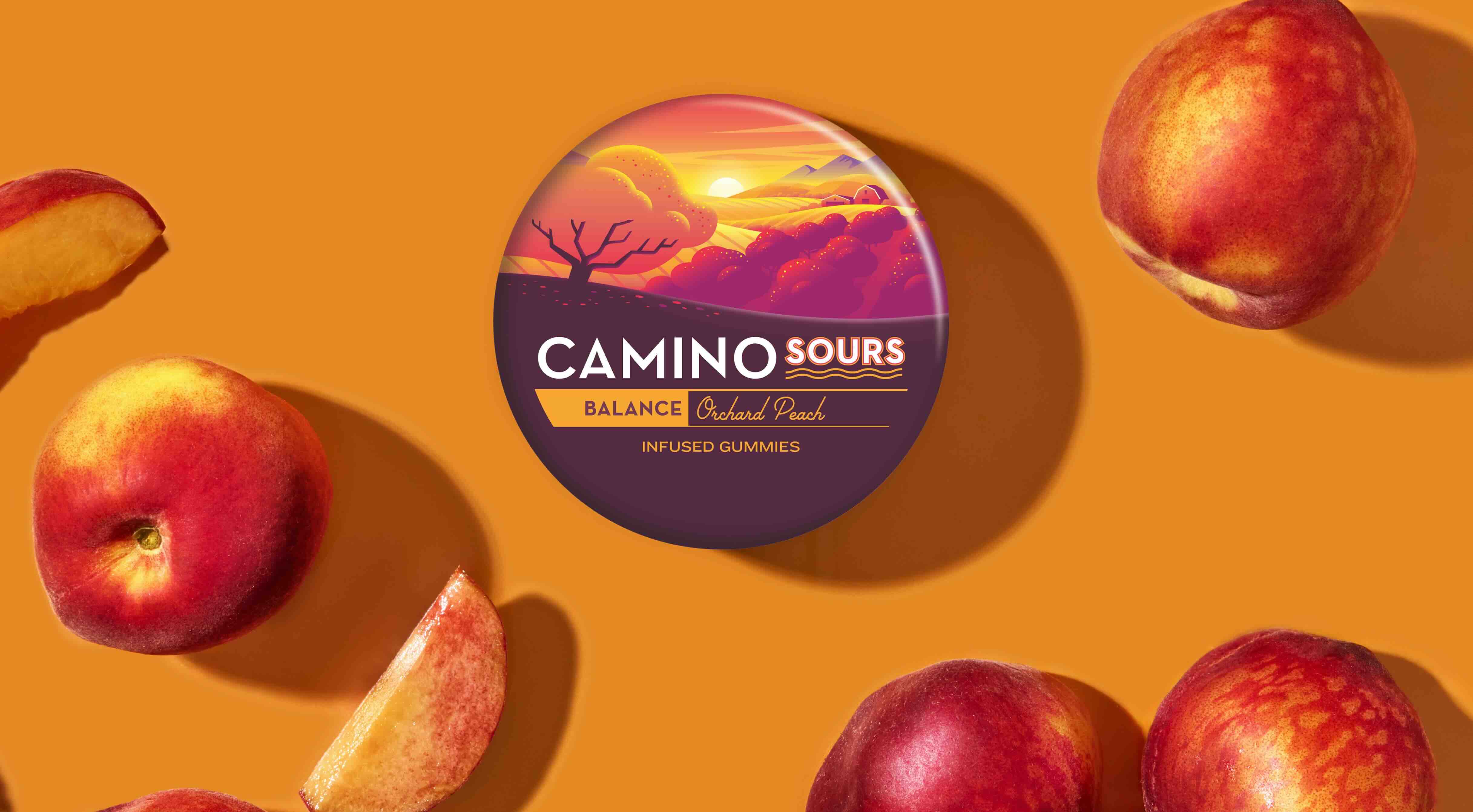 Camino's hemp-derived gummies naturally support balance and recovery without disrupting your routine, so you can enjoy reliable, consistent dosing without guesswork or habit-forming ingredients. Flavors like sparkling pear for social events and tropical-burst for recovery deliver a sophisticated, elevated taste experience — and orchard peach for balance offers everyday support for managing stress while staying clear-headed and elevated.
Learn more → |

MIT Technology Review reported that 98% of plastics are created using dirty fuels like oil and gas. These fuels worsen pollution, contaminating air, water, and soil. Furthermore, plastic production introduces more microplastics into the world. These particles are found everywhere, from the ocean to the human body, and they take centuries to break down.
One study from the University of Newcastle, Australia, estimated that the average person ingests approximately five grams of plastic per week, equivalent to the weight of a credit card.
Microplastics have been linked to numerous health issues, including organ dysfunction, metabolic disorders, DNA damage, and altered immune response.
The recycling plants will reduce the use of dirty fuels in plastic production and decrease the number of microplastics introduced to the planet. This means healthier air, water, and soil for everyone. The recycled plastic could also reduce the cost of goods, helping consumers save money.
TCD Picks » Upway Spotlight
💡Upway makes it easy to find discounts of up to 60% on premium e-bike brands





|
What should America do to fight plastic pollution?
Click your choice to see results and speak your mind. |
 Stricter regulations on companies 🏛️
 The environment will also benefit, as animals frequently ingest microplastics, leading to adverse health effects. Reducing plastic pollution fosters healthy biodiversity, which in turn supports food and water security, a stable climate, and disease prevention.
When inaugurating the demo plant in Mantua, Versalis CEO Adriano Alfani said, per Packaging Gateway, "The Hoop plant we are opening today is a symbol of the path we are following — harnessing innovation to reshape our business through new industrial initiatives based on circularity, biochemistry and specialisation, in pursuit of increased sustainability."
He continued, "We are committed to addressing all three of sustainability core dimensions: environmental, social, and economic."

Join our free newsletter for weekly updates on the latest innovations improving our lives and shaping our future, and don't miss this cool list of easy ways to help yourself while helping the planet.
Cool Picks