


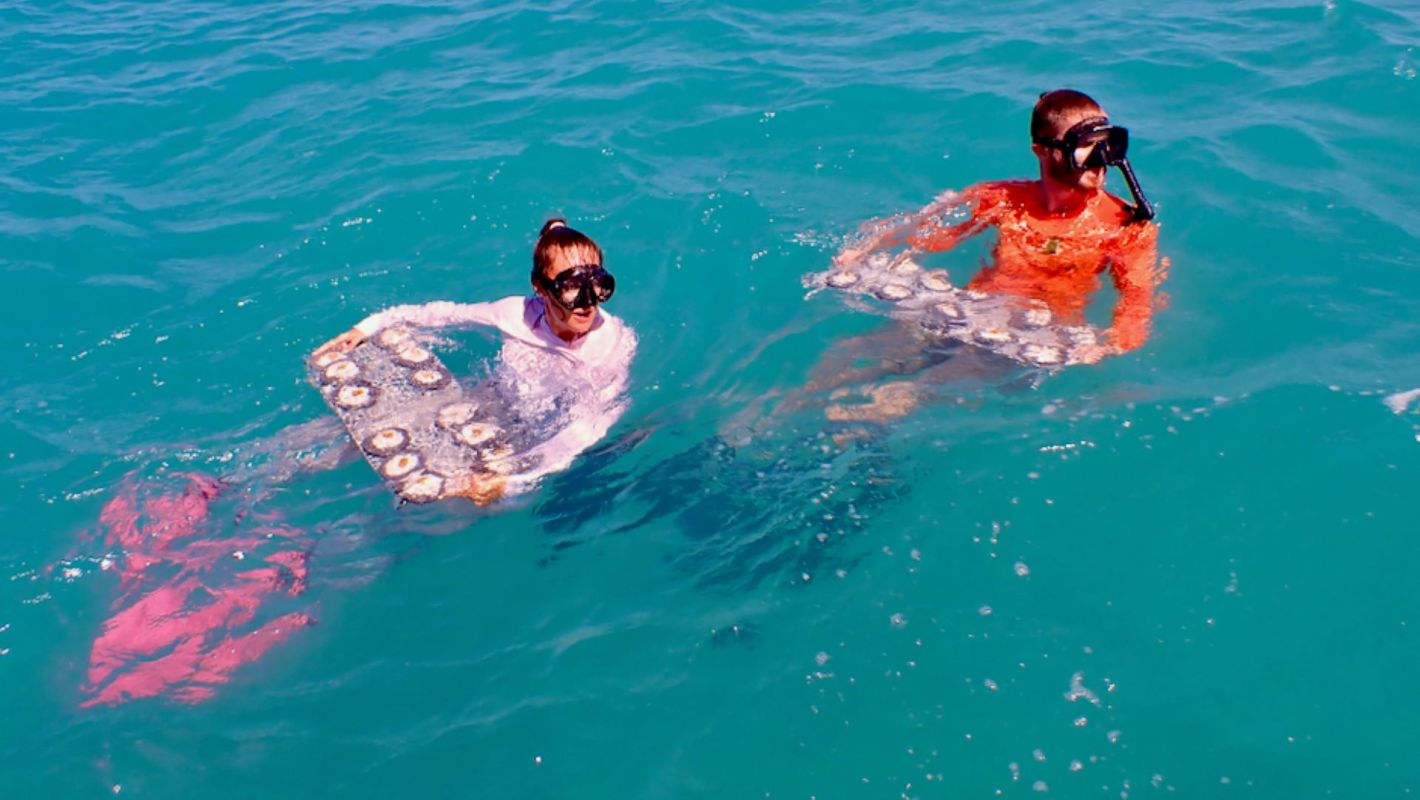
Florida scientists are putting a high-stakes reef-restoration idea to the test by planting crossbred elkhorn corals on wild reefs and observing whether added genetic diversity helps them withstand extreme ocean heat.
If the trial works, it could help protect not just reefs, but also the coastal communities that depend on them.
What happened?
Nearly three dozen 2-year-old elkhorn corals were set out on three reef sites in Dry Tortugas National Park in early April by teams from the National Park Service, the University of Miami Rosenstiel School, and the U.S. Geological Survey's St. Petersburg Coastal and Marine Science Center, The Invading Sea reported.
This field trial draws on a first-of-its-kind international crossbreeding project.
The young corals, known as "Flonduran" corals, come from Florida elkhorn crossed with Honduran elkhorn from colonies that have adjusted to warmer, more nutrient-rich water. Researchers are comparing them on the reef with same-age Florida corals under natural conditions.
The team plans to return twice a year to track growth, survival, and coral health.
TCD Picks » Quince Spotlight
💡These best-sellers from Quince deliver affordable, sustainable luxury for all




Why does it matter?
Elkhorn coral helps build the reef crest, the shallow part of a reef that breaks wave energy before it reaches shore. Healthier elkhorn coral can help limit erosion and storm damage for coastal communities across Florida and the Caribbean.
A recent study said the 2023 marine heat wave left Florida's elkhorn and staghorn corals functionally extinct.
That collapse followed a long decline. Elkhorn was once a leading reef-builder in the Caribbean, but its numbers across the Florida Keys have fallen by more than 95%.
USGS research biologist Ilsa Kuffner explained: "It is hard to overstate the importance of this coral species. The elkhorn coral builds the reef crest, the shallowest part of the reef, that dampens wave energy and protects the shorelines of coastal communities throughout Florida and the Caribbean."
Researchers are using the trial to see whether adding fresh genetic diversity can improve heat tolerance and better guide future restoration work.
"Elkhorn coral has suffered tremendous losses," said Bailey Marquardt, a doctoral student in the Department of Marine Biology and Ecology and the project lead. "But projects like this give us renewed hope."
"By introducing new genetic diversity and testing it directly on the reef, we're giving these corals a better chance to adapt and giving Florida's reefs a fighting chance for the future," Marquardt added.

Get TCD's free newsletters for easy tips, smart advice, and a chance to earn $5,000 toward home upgrades. To see more stories like this one, change your Google preferences here.






