


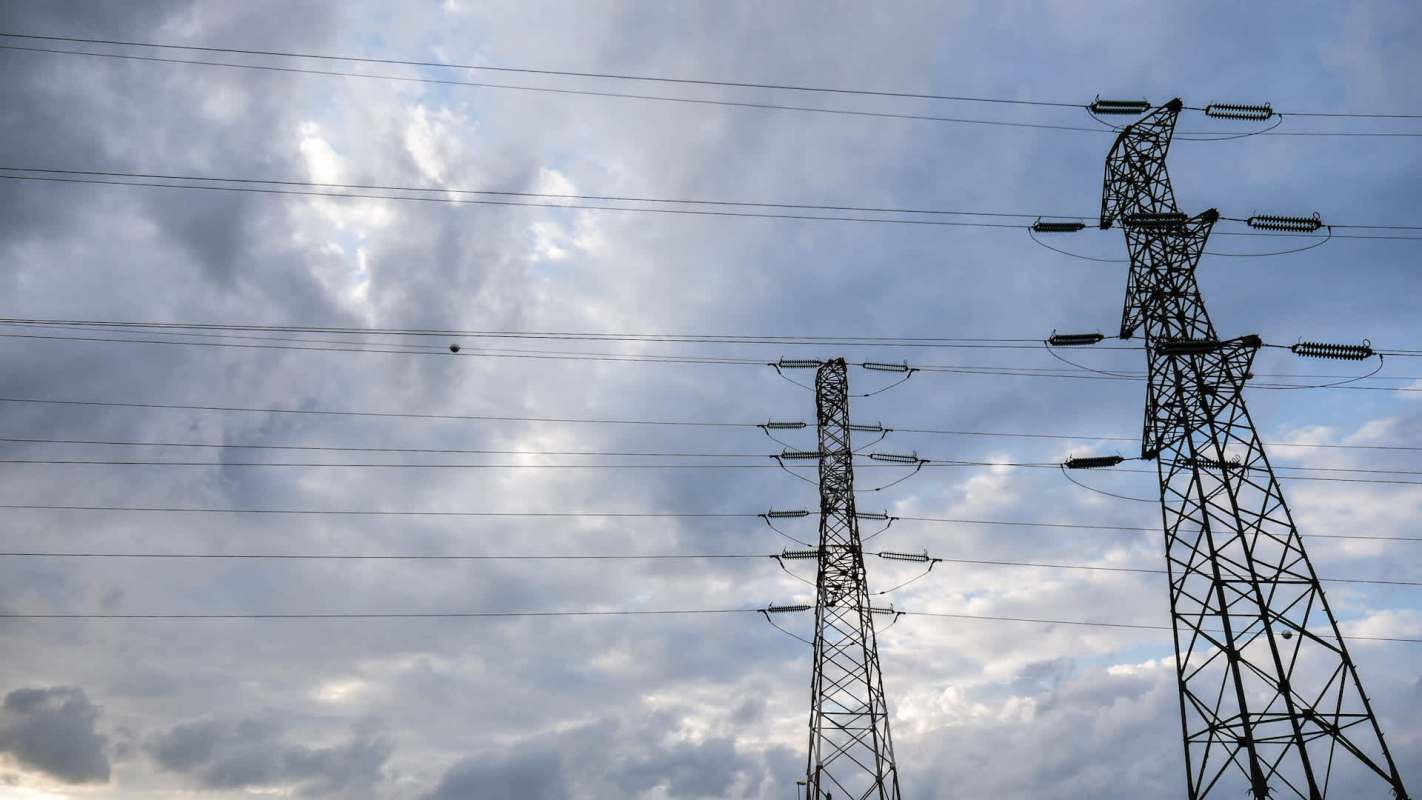
A meaningful share of the power generated in the United States never reaches customers because some electricity is lost on the grid along the way. Those losses amount to about 5% of total generation.
In Pennsylvania, lawmakers are pushing for utilities to examine newer ways to curb that waste before they ask consumers to shoulder the cost of major transmission expansions, the Pennsylvania Capital-Star reported.
What's happening?
Pennsylvania's House approved House Bill 2223 without opposition in May. The proposal, introduced by state House Energy Committee Chair Elizabeth Fiedler, is now before the Senate Consumer Protection and Professional Licensure Committee.
If enacted, the measure would let regulators require utilities to review advanced transmission technologies before proceeding with new power line projects. Backers want utilities to weigh options that might boost efficiency and get more use out of the infrastructure already standing.
Supporters say that tools like grid sensors and power flow controls can cut waste and increase the amount of power existing lines can handle. They would allow people to use electricity more efficiently overall.
Doug Pietrucha of the renewable energy industry group Advanced Energy United pushed back on the idea that these are experimental systems.
TCD Picks » Quince Spotlight
💡These best-sellers from Quince deliver affordable, sustainable luxury for all




"These are technologies that have been deployed for 30 years plus in some cases," Pietrucha said.
Why does it matter?
Officials are already grappling with higher electricity costs. Planned data center development is part of that pressure, along with rising power demand from transportation and industry.
At the same time, PJM Interconnection — the regional transmission operator serving Pennsylvania and 12 other states plus Washington, D.C. — approved $11.8 billion in new baseline transmission projects earlier this year. Those investments are meant to improve reliability and make room for new generation, but major grid expansions can also carry steep costs.
Using more of the capacity already available on existing lines could spare consumers some of the expense that comes with repeatedly building new transmission. It could also reduce the need for additional towers, land purchases, and long approval timelines.
As one example, Fiedler cited a California transmission project where composite conductors reduced line losses by 30% and are projected to save consumers roughly $85 million.
What's being done?
Fiedler's bill is intended to make that review process standard practice.
"It simply says that utility companies need to take a look at all this technology … and see if there's a way to adapt them to prolong the life of the existing infrastructure before they decide to go forward with one of these huge, very expensive new build outs of transmission infrastructure," she said, as relayed by the Capital-Star.
Last month, the Federal Energy Regulatory Commission told regional transmission operators to either justify or change the rules governing how data centers and other large electricity users connect to the grid. The adoption of newer transmission technologies is part of that broader push.
The state's utilities are not entirely new to these tools either. Fiedler said PPL Electric and Duquesne Light have already put advanced transmission technologies to use on their distribution systems.
And as an energy modernization advocate at The Pew Charitable Trusts, Jenny Netherton, explained, "ATTs make your grid much stronger and smarter, and it gives you a lot more visibility into your grid, so you can see problems kind of before they happen."

Get TCD's free newsletters for easy tips, smart advice, and a chance to earn $5,000 toward home upgrades. To see more stories like this one, change your Google preferences here.






