


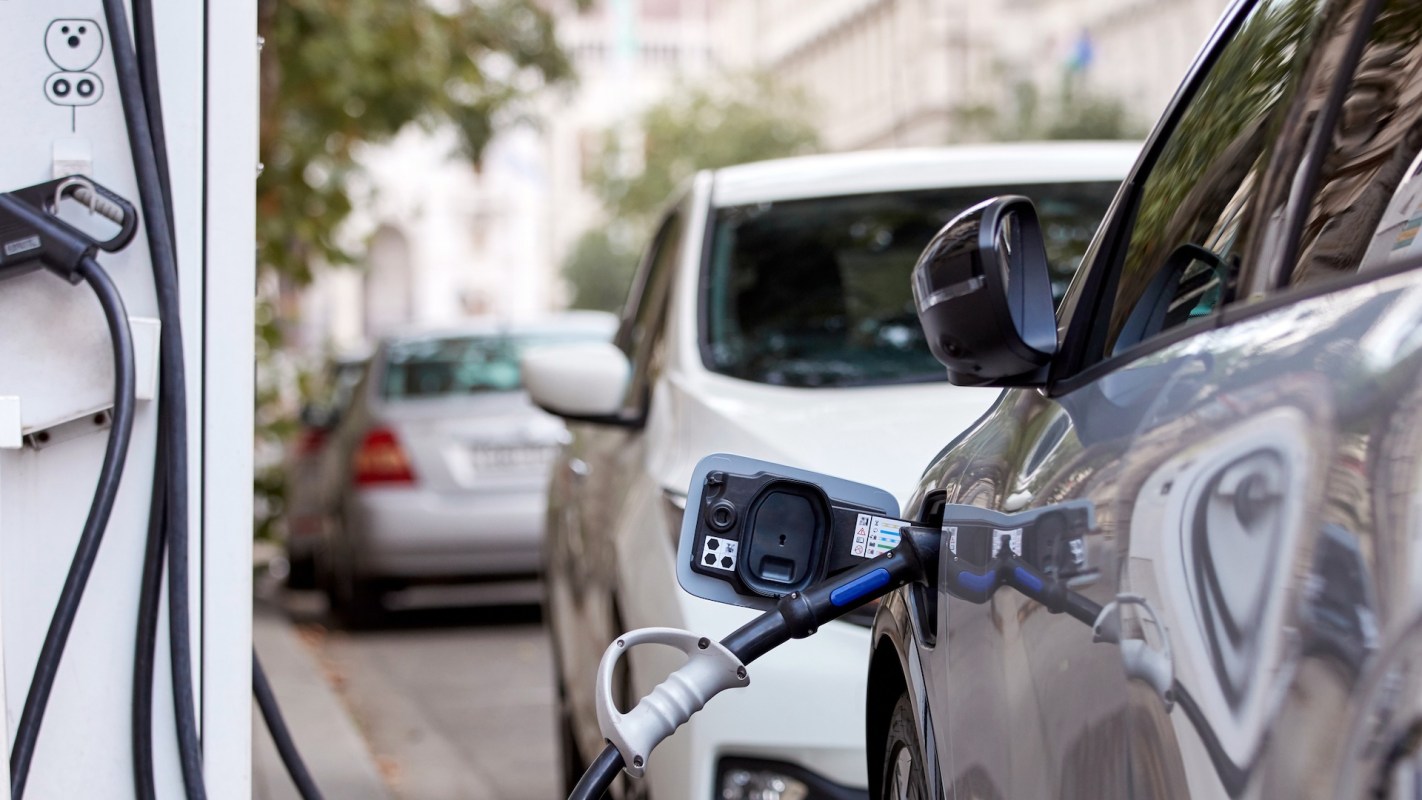
Rising gas prices are pushing some drivers to reconsider a long-standing assumption about electric vehicles: that they only make financial sense if you can charge at home.
In a Reddit post on r/electricvehicles, one EV owner argued that as gas creeps toward $5 per gallon, even more expensive public charging can start to look competitive.
The user compared weekly fueling costs with a friend who recently bought a 2026 Toyota Camry hybrid and lives in a condo without home charging. The original poster explained the Camry's 13-gallon tank costs about $60 to fill at $4.59 per gallon, and with fuel economy of around 53 miles per gallon, that works out to roughly $0.09 per mile.
The EV driver also calculated what it would cost to operate their Nissan Ariya without access to home charging or rooftop solar. Using an Electrify America membership rate of $0.42 per kilowatt-hour, a full 63-kWh battery would cost about $26.42. Based on the vehicle's efficiency, the poster estimated a cost of about $0.11 per mile.
That leaves a difference of just $0.02 per mile — or about $20 over 1,000 miles of driving. The driver's argument was straightforward: If gas rises above $5 per gallon, the cost gap could disappear in some situations.
It's also important to note that these calculations assume the EV driver relied exclusively on public charging stations — typically the most expensive way to charge an electric vehicle. Even replacing a portion of those charging sessions with cheaper at-home charging would make EV ownership even more cost-effective.
TCD Picks » Quince Spotlight
💡These best-sellers from Quince deliver affordable, sustainable luxury for all




A small per-mile gap can narrow quickly when gas prices spike, especially for drivers who rack up a lot of miles.
There are also savings beyond fuel. One commenter noted that a hybrid still comes with many of the maintenance needs of a gas-powered car, including oil, filters, belts, spark plugs, exhaust components, and emissions checks in some states. EVs typically avoid many of those costs and often have less brake wear thanks to regenerative braking.
Without home charging, the math depends on local gas prices, nearby public fast-charging rates, and lower-cost Level 2 options at workplaces, grocery stores, or malls.
For some drivers, workplace charging or a walkable neighborhood charger can make EV ownership practical without a garage.
Even without home charging options, some commenters noted that they can still find reliable and affordable public stations in their neighborhood.
"The range anxiety thing isn't really a huge deal, I often run the car down to the low teens or high single digits and just pull up to any charger if necessary for a quick charge. Even if I'm paying 50 cents per KWH it's still better than paying $4.60-4.80 a gallon where I'm at," one added.

Get TCD's free newsletters for easy tips, smart advice, and a chance to earn $5,000 toward home upgrades. To see more stories like this one, change your Google preferences here.






