


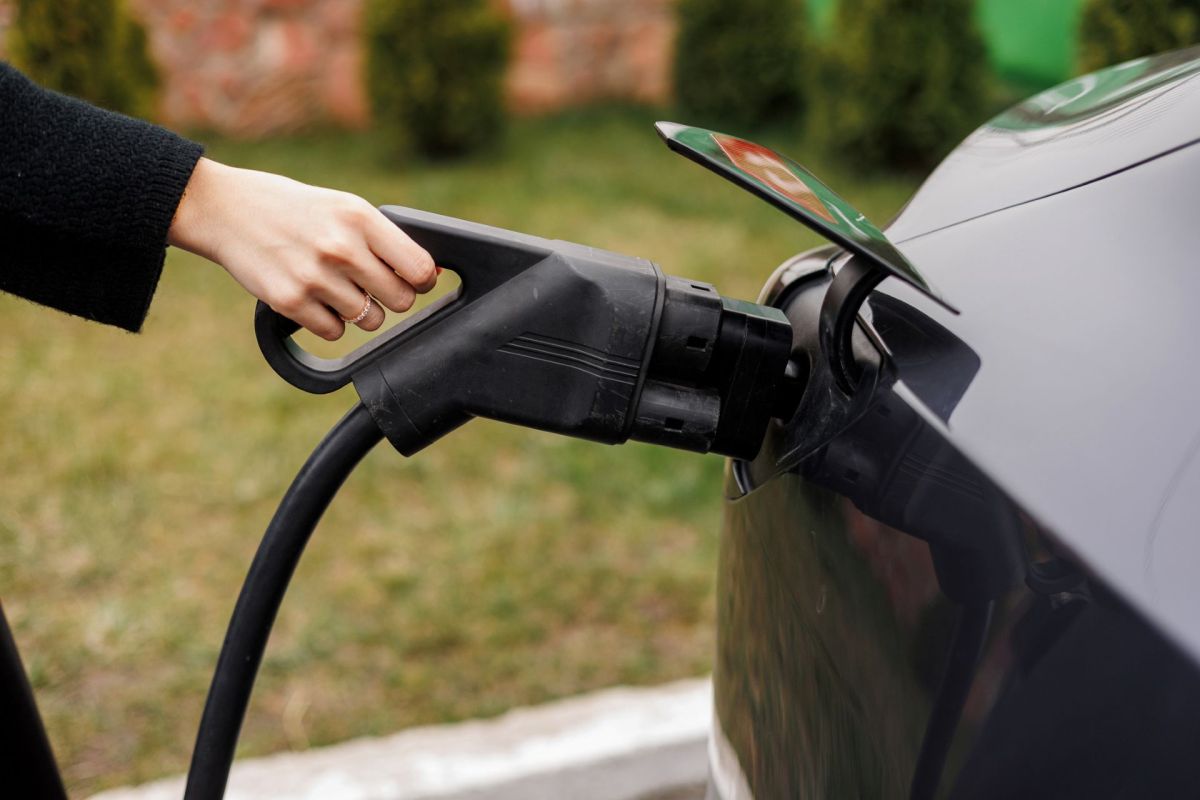
A content creator on YouTube said charging the same Lucid electric vehicle at two different homes can lead to dramatically different electric bills.
Using his own utility rates, Paul Grondal of the YouTube channel Life After 70 (@LifeAfter70years) said driving 100 miles costs about 86 cents in Chelan, Washington, compared with $7.68 in La Quinta, California.
Here's what to know
Grondal said the difference comes down to what he pays for electricity at each house: 2.7 cents per kilowatt-hour in Chelan and 24 cents per kilowatt-hour in La Quinta.
His calculation assumed 32 kilowatt-hours are pulled from the outlet for every 100 miles, with charging losses included. On that basis, 1,000 miles would cost roughly $9 in Washington and about $77 in California. Stretch that to 12,000 miles a year, and he estimated about $104 in Chelan versus $922 in La Quinta, or roughly an $818 difference.
These estimates apply only to the electricity used for charging. They leave out taxes, fixed utility charges, and total vehicle ownership expenses, and they assume the car is charged at home rather than at a public station.
Grondal also compared the EV math with a gasoline vehicle that gets 30 miles per gallon with fuel priced at $4 a gallon. That would put 100 miles of driving at a little more than $13, so the EV still costs less to run in both locations, though the advantage is much bigger in Chelan.
TCD Picks » Quince Spotlight
💡These best-sellers from Quince deliver affordable, sustainable luxury for all




More background
For Chelan, Grondal cited Chelan County PUD's 2024 fuel mix disclosure, which listed the utility at about 81% hydropower, a little under 1% wind, and roughly 18% unspecified.
He said a utility newsletter noted that revenue from surplus hydropower sales helps keep residential rates lower. He also said the cheaper charging in Washington is connected to a power system that is largely low-emissions.
In La Quinta, Grondal pointed to Imperial Irrigation District's 2024 power content label, which he said showed about 27% eligible renewables, 5% large hydropower, 3% nuclear, 30% natural gas, and around 34% unspecified purchased power described on the label as primarily fossil fuels.
Grondal said that meant "paying more does not automatically mean I'm getting cleaner electricity."
What can be done?
Grondal said anyone considering an EV should begin with the utility bill at home, not the dealership.
He said drivers should estimate charging costs using their own electric rate and should also account for any off-peak pricing their utility offers.
He also said to review the utility's fuel mix disclosure or power content label and make sure the year is current, since older charts can give the wrong impression about both emissions and cost.
Grondal said households that depend on public charging should include those prices in the equation too. He added that shoppers should compare vehicles by cost per mile or cost per 100 miles instead of looking only at the cost of a single charge-up or a full tank of gas.
Power prices are shaped by multiple factors. In La Quinta, Grondal noted, IID has cited compliance with California renewable-energy rules, along with infrastructure work, fuel and power purchases, and materials and labor, as reasons for rate updates.

Get TCD's free newsletters for easy tips, smart advice, and a chance to earn $5,000 toward home upgrades. To see more stories like this one, change your Google preferences here.






