


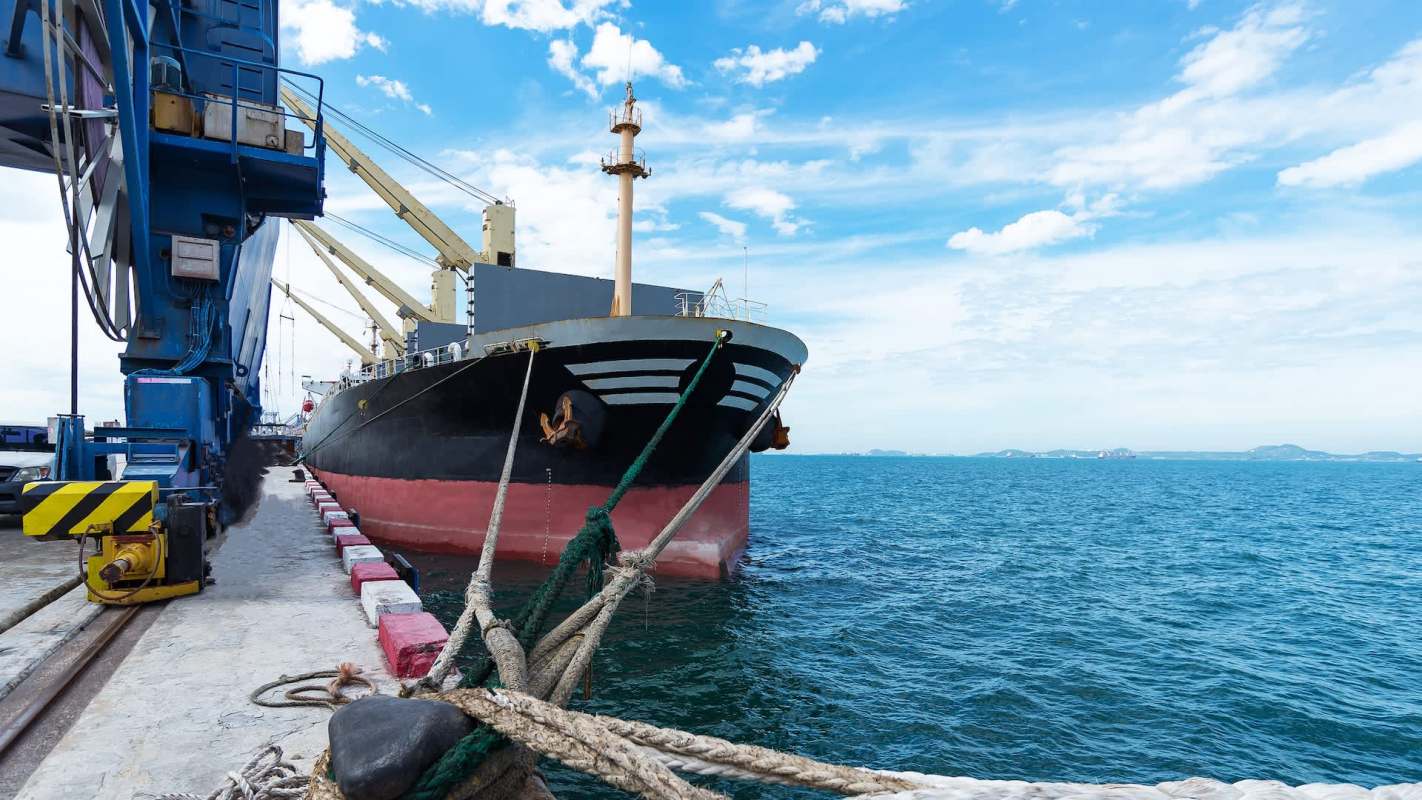
A recent test at a Chinese port showed an electric tugboat doing more than taking on a charge: it sent electricity from its batteries back to land.
The result suggests that ships could eventually serve as grid-connected storage for ports, supplying power when demand is high rather than sitting idle at the dock.
Over the course of a seven-hour trial at the Port of Lianyungang, the all-electric Yungang Electric Tug No. 9 discharged power to shore at 80 kilowatts and delivered 560 kilowatt-hours in total, CGTN reported.
Vehicle-to-grid, or V2G, systems already allow some electric vehicles to charge when demand is lower and return electricity to the grid during busier periods.
This experiment indicates that the concept can be extended to electric vessels. Making that possible required engineers to ensure stable, high-power charging and discharging in a marine environment characterized by salt and humidity.
If adopted more widely, the technology could turn electric harbor vessels into flexible battery assets for ports and coastal communities. That could help utilities handle peak demand, reduce stress on local grids, and cut reliance on costly backup power sources.
TCD Picks » Quince Spotlight
💡These best-sellers from Quince deliver affordable, sustainable luxury for all




In practical terms, that could save money for companies operating fleets and potentially help stabilize electricity costs for nearby communities.
There is also a resilience benefit. A port with battery-equipped vessels and bidirectional charging could offer greater flexibility during heat waves, sharp demand spikes, or even outages following severe weather.
Instead of remaining idle between jobs, some electric vessels could help keep power flowing where it is needed most. At the same time, using battery-powered tugboats instead of diesel ones can help reduce air pollution around ports.
The trial points to a cleaner path for shipping infrastructure. Ports are major economic hubs, and turning them into smarter energy partners could save time, lower fuel use, and make electrification more attractive across the maritime industry.
CGTN wrote that it "offers a new model for the maritime industry's green transformation and expands the ways in which modern power networks can integrate storage, supply and demand."

Get TCD's free newsletters for easy tips, smart advice, and a chance to earn $5,000 toward home upgrades. To see more stories like this one, change your Google preferences here.






