


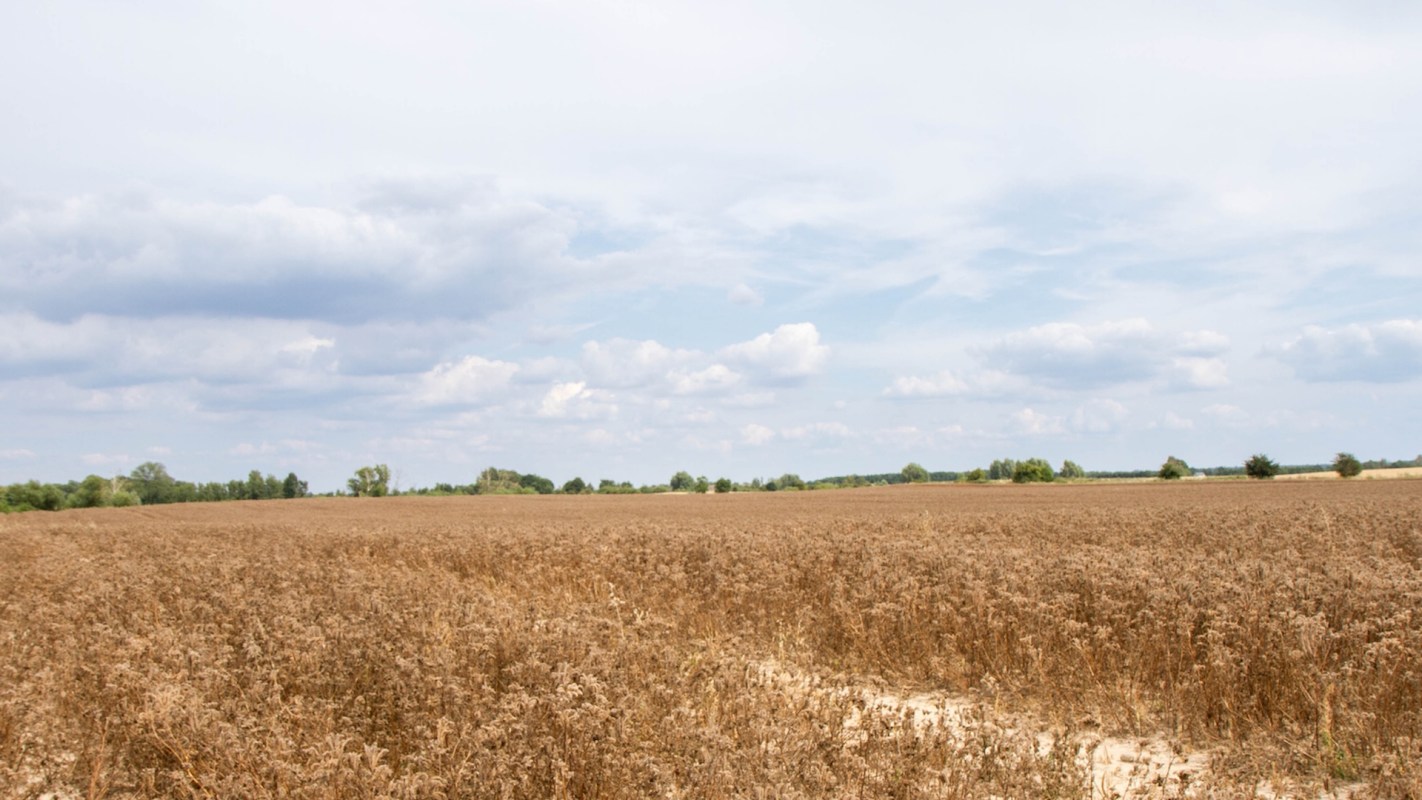
An emerging El Niño may be headed toward super strength at a time when human-caused pollution has already overheated the planet, prompting fears that this natural climate pattern could amplify heat, drought, flooding, and other extreme weather.
What's happening?
Across the Pacific, a natural cycle called the El Niño-Southern Oscillation shifts between cooler and warmer conditions every few years. El Niño is the warm phase of that pattern, and its influence reaches far beyond the tropical Pacific.
In a video on YouTube, Adam Levy (@ClimateAdam), who has a doctorate in atmospheric physics, cited NOAA researchers' estimate of a roughly 2 in 3 chance that this event will drive ocean temperatures over 2 degrees Celsius (3.6 degrees Fahrenheit) above average, which he said would qualify as a "super El Niño."
Whether the burning of gas, oil, and coal is changing El Niño itself remains unresolved, he said, with scientists debating if the pattern is becoming stronger or more variable.
What is clear is the range of effects El Niño can bring: marine heat waves; added pressure on coral reefs; shifts in tropical storm activity; and, depending on the region, more intense heat waves, drought, or heavy rainfall.
"It's still an open question," Levy said.
TCD Picks » Quince Spotlight
💡These best-sellers from Quince deliver affordable, sustainable luxury for all




One commenter also pointed to another troubling signal, writing, "There's also that marine heat wave in the Atlantic that isn't getting much coverage."
Why does it matter?
Regardless of whether rising global temperatures are directly changing how El Niño operates, they are increasing the damage it can cause.
Hotter air and warmer oceans provide more energy for extreme weather.
Today's El Niño is taking shape in a climate far warmer than the one that existed decades ago.
Levy described that change as "effectively shifting the entire pendulum over to hotter territory," meaning that even cooler phases of the climate system now occur in a much warmer world.
Research has shown that El Niño is not always the primary driver of extreme heat; in some cases, climate change has played an even larger role in worsening those events.
To show how the two forces can compound each other, Levy pointed to recent severe flooding in Brazil and dangerous heat in Asia.
Such events can cause higher food prices, additional strain on power grids, greater wildfire risk, water stress, storm damage, and mounting health threats.
What can I do?
Scientists are continuing to monitor Pacific Ocean temperatures and trying to improve forecasting so communities can prepare earlier for likely impacts.
Better warning systems can help cities, utilities, farmers, and emergency managers respond to heat, flood, and drought risks before they worsen.
Practical preparation can include checking local heat and flood alerts, updating emergency kits, planning for power outages, protecting pets, and identifying cooling centers or other safe indoor spaces.
People can also lower their own risk by weatherizing their homes, using efficient cooling systems, and cutting energy waste, which can reduce bills while making homes more resilient during temperature spikes.
The larger solution is societal: reducing pollution from gas, oil, and coal, which adds extra heat to the system. Cleaner energy, stronger infrastructure, and smarter planning will do far more to limit the damage than treating each new disaster on its own.
"El Niño is adding insult to the injury we're already experiencing on an overheated planet," Levy said.
He also cited United Nations Secretary-General António Guterres, who said in June, "El Niño conditions will pour fuel on the fire of a warming world."

Get TCD's free newsletters for easy tips, smart advice, and a chance to earn $5,000 toward home upgrades. To see more stories like this one, change your Google preferences here.






