


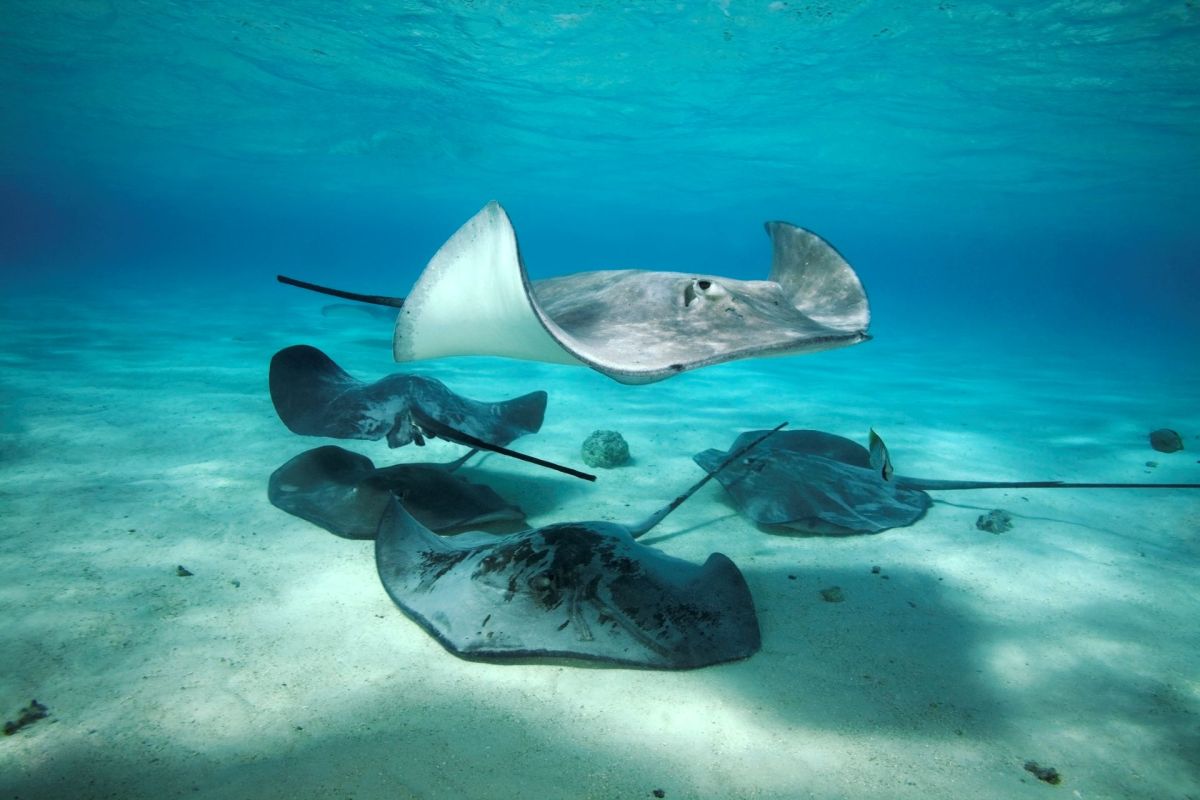
Along the Southern California coast, beachgoers are encountering marine animals in unusual places: stingrays are crowding the shallows, humpback whales are surfacing near the beach, and hammerhead sharks have been seen farther north than normal.
Researchers attribute these changes to unusually warm seawater associated with a strengthening El Niño, along with longer-term ocean warming influenced in part by human activity.
Here's what to know
Coverage from The Associated Press and federal weather agencies, cited by FOX 11 Los Angeles, describes hotter seas as a factor bringing tropical and subtropical marine life into nearshore waters around Greater Los Angeles and Orange County.
One of the clearest examples has been an increase in stingray stings from Seal Beach to Huntington Beach, as the animals have moved into shallow surf zones.
Marine biologists say round stingrays are drawn to warm, favorable conditions and can gather in the same areas where beachgoers wade. That overlap can lead to more accidental encounters, more painful injuries, and added strain on lifeguards.
The warm-water pattern is also reshaping the coastal food web. Warm-water anchovies and krill are drawing humpback whales closer to public beaches near places such as Newport Beach and Palos Verdes, while subtropical hammerhead sharks and game fish including dorado and yellowtail have also been spotted farther north.
TCD Picks » Quince Spotlight
💡These best-sellers from Quince deliver affordable, sustainable luxury for all




NOAA said the marine heat wave affecting parts of the West Coast is only the third recorded case of such a broad span of coastal water staying warm for this long.
More background
El Niño is a naturally occurring warming pattern in the tropical Pacific, but experts say it is now interacting with a hotter planet that has absorbed excess heat from the burning of coal, oil, and gas. That combination can intensify changes in the ocean while also worsening weather extremes on land.
Climate scientist Zeke Hausfather of Berkeley Earth explained, "Because the world was on fire in different ways. The world is now on fire again with climate change in a way that's increasingly difficult to ignore." He added, "It's going to keep getting worse."
Forecasters have also warned that a very strong El Niño could rank among the most powerful events since recordkeeping began in 1950, though the exact local effects remain uncertain.
What can be done?
Lifeguards and marine experts recommend doing the "stingray shuffle" — sliding your feet through the sand instead of stepping normally — to avoid startling bottom-dwelling rays.
NOAA and local forecast updates can help families prepare for stronger winter storms, localized flooding, and erosion threats. Individual precautions will not solve planetary warming, but they can help reduce risk as climate-driven changes make coastal life less stable and more expensive.
As Ken Graham, director of the National Weather Service, put it, "Every El Niño is not the same; each one is unique with its own imprint on our weather."

Get TCD's free newsletters for easy tips, smart advice, and a chance to earn $5,000 toward home upgrades. To see more stories like this one, change your Google preferences here.






