


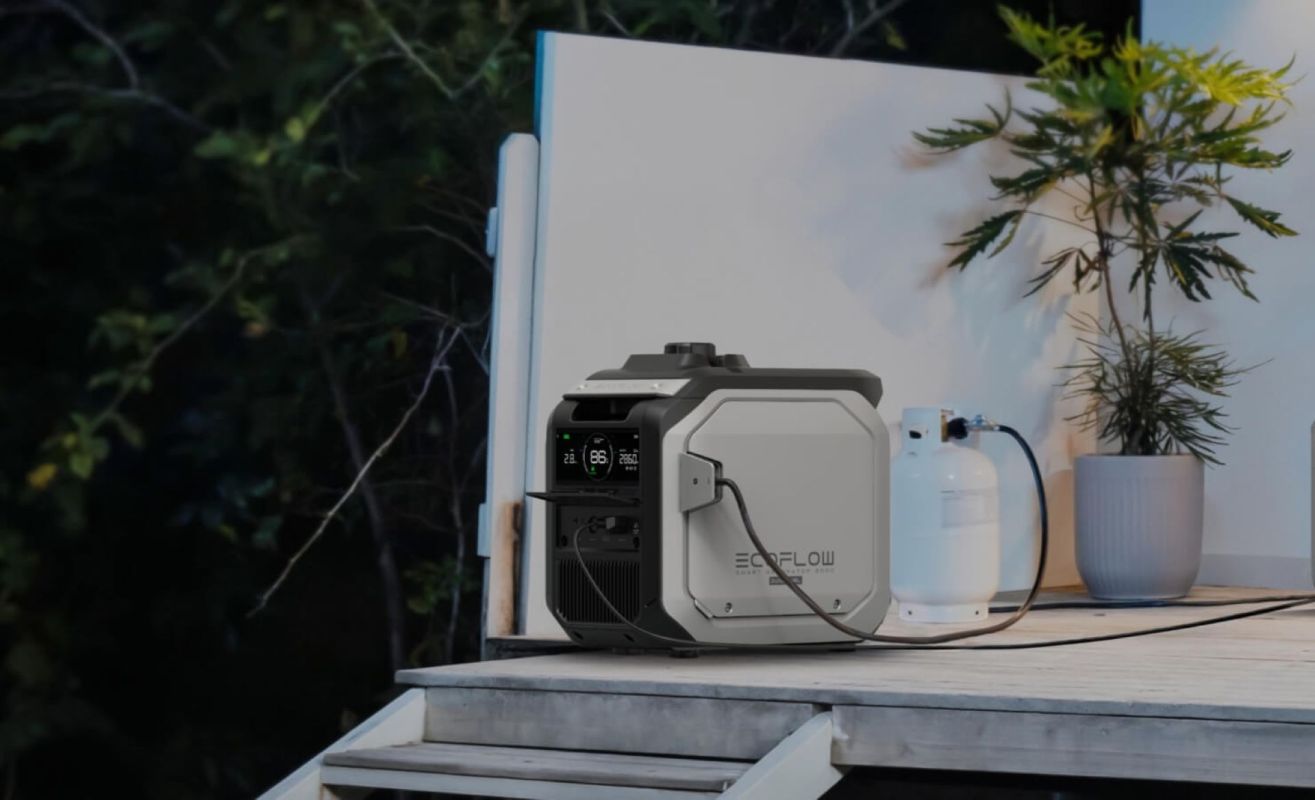
Portable power stations can keep essentials running during an outage, but one EcoFlow Delta 3 Plus owner wanted to run a gas furnace on the system and found that it can be a much tougher test.
In the discussion, the user warned that a common workaround for getting a furnace to run may come with safety risks and the potential for equipment damage.
Here's what to know
On Reddit, an EcoFlow user said their furnace would not behave as expected once the Delta 3 Plus stopped passing through utility power and began supplying inverter power during an outage.
They noted that while people often recommend a bonding plug, they had seen repeated warnings that using one while the unit is still connected to the wall could both violate code by creating a second bond and possibly damage the power station.
Rather than a manual workaround, the poster wanted something that would handle the change automatically, saying, "That doesn't work when I'm away on vacation though. I don't want the house to freeze."
The thread's most detailed reply suggested building the relay setup so an outage would do two things at once: establish the neutral-ground bond and cut off the power station's input connection to utility power. In that commenter's view, "If the relay does fail, it doesn't silently create an unsafe configuration."
TCD Picks » Quince Spotlight
💡These best-sellers from Quince deliver affordable, sustainable luxury for all




More background
People buy portable battery systems expecting seamless backup power for critical appliances. However, if a furnace cannot switch over cleanly or safely, an expensive power station may fall short at a time when homeowners need it most.
The complaint wasn't that the Delta 3 Plus couldn't power ordinary devices, but that the furnace had stricter electrical requirements. As the original poster put it, "The problem is, when it's on inverter power and internally disconnected from the house's panel, the neutral and ground are no longer bonded. So devices that rely on using the ground as a return path (like natural gas furnaces) won't function."
Cost came up as well, because a safe workaround may be involved enough that some owners start comparing it with a different backup build. The poster wrote that a do-it-yourself setup using an EG4 solar inverter and an Eco Worthy rack battery could run "$700 for a 3kw inverter and another $850 for a 5kwh rack battery," putting the main components at roughly $1,550.
What can be done?
An automatic backup setup for a furnace is not the same as simply plugging in a lamp or phone charger. A transfer switch or relay arrangement may need to manage not only the switchover but also bonding and isolation in the proper sequence.
In the comments, people repeatedly steered the conversation toward transfer-switch solutions. One mentioned the EZ Generator Switch, while another said a relay that stays energized during normal power and bonds neutral to ground only during an outage "should work, but it is probably not exactly up to code."
Owners can take a few steps to ensure they get more value from a battery system they already own rather than replacing it with a larger setup. These steps include verifying how a specific power station handles neutral-ground bonding in backup mode, checking manufacturer guidance, and involving a licensed electrician if a furnace is part of the plan.
Someone else warned about brief mismatches between restoration of utility power and the relay's response: "Doing this guards against a race condition where the timing of the relay's reaction and the power station's reaction to utility restoration doesn't align as you expect, resulting in the bond briefly being applied while it shouldn't be."
Where can I learn more?
The articles below cover similar circumstances, including replacing gas heat altogether and taking a harder look at comfort tricks that claim to cut bills.
• Homeowners weighing backup headaches sometimes decide a heat pump can replace a gas furnace entirely.
• In many homes, a common heating hack can waste money instead of easing winter comfort.
• HVAC pros say putting foil behind radiators can change room warmth, but results vary.
• Some frugal homeowners use room dividers to keep lived-in spaces warmer during cold snaps.

Get TCD's free newsletters for easy tips, smart advice, and a chance to earn $5,000 toward home upgrades. To see more stories like this one, change your Google preferences here.






