


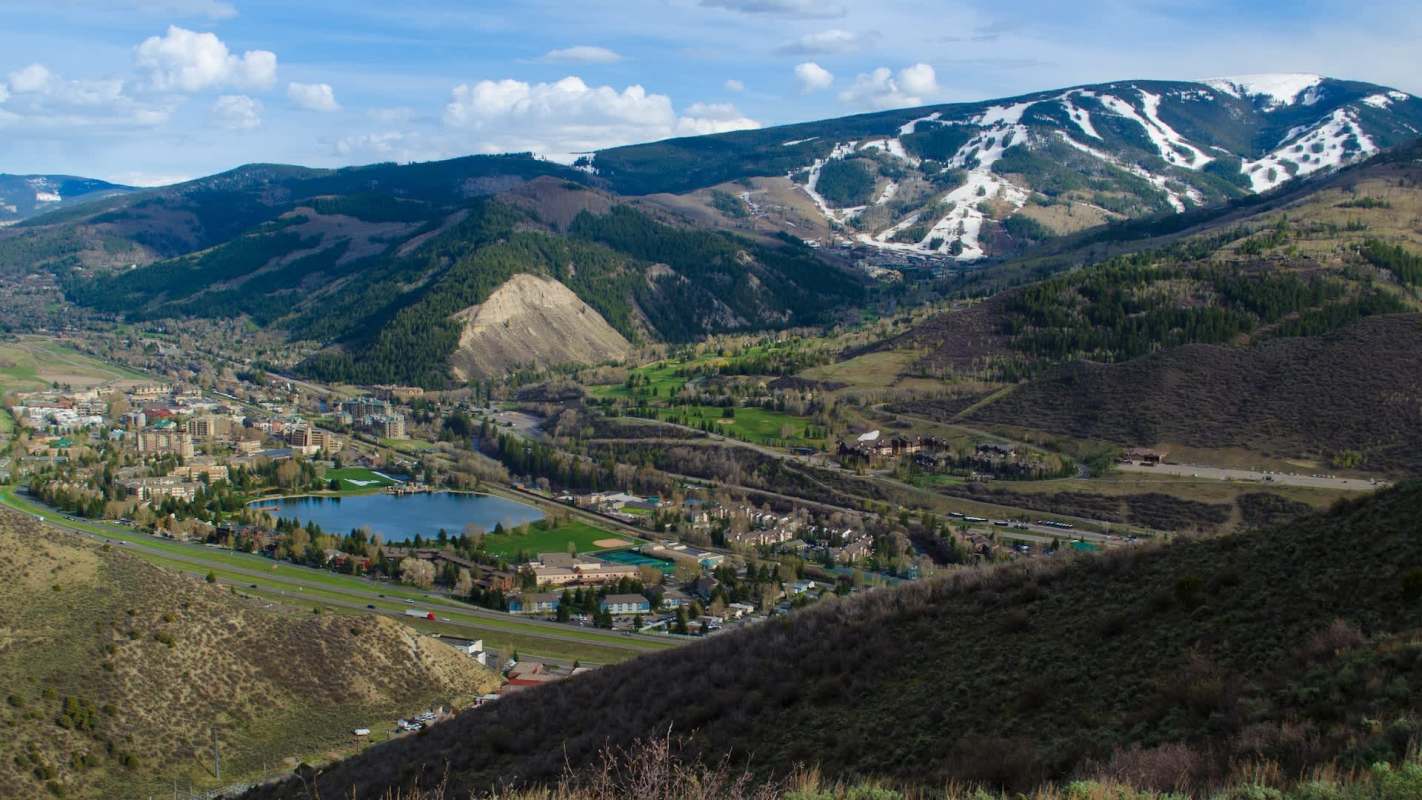
Eagle County, Colorado, has said a three-year, $15 million overhaul has replaced natural-gas heating and cooling in its government buildings with geothermal equipment, a change officials expect to cut pollution and reduce energy spending.
County leaders estimated the new setup will shave tens of thousands of dollars off annual utility bills, underscoring the long-term savings that electrified building systems can provide.
What's happening?
9 News reported that state support covered $7 million of the cost of the completed geothermal project in Eagle County.
Instead of relying on gas-fired systems, the county's buildings now use boreholes tied to basement mechanical rooms to draw on the ground's steady temperature.
"We take the heat from the building and transfer that heat to those boreholes," Jesse Meryhew, director of facilities for Eagle County government, said, explaining the cooling side of the process.
The setup moves water through pipes connected to the underground holes, and heat pumps use that loop to provide heat in winter and cooling in summer.
TCD Picks » Quince Spotlight
💡These best-sellers from Quince deliver affordable, sustainable luxury for all




County officials said the geothermal equipment draws more electricity than a standard system, but that the added electric use is outweighed by the efficiency gains. They also expect the technology to be cheaper and easier to maintain over time, and the underground network will be expanded to additional buildings.
As Meryhew observed, the technology is "about 300% to 500% more efficient than your typical heating and cooling system."
Why does it matter?
Officials project yearly utility savings of about $40,000 to $75,000, which would reduce the county's ongoing building costs.
Replacing natural-gas-based heating with electric geothermal equipment can shrink a building's carbon footprint, especially as the electric grid gets cleaner over time.
High-efficiency systems such as heat pumps can also lower operating costs, ease maintenance burdens, and offer some protection against fuel price volatility.
What's being done?
Eagle County is not treating the project as a one-time pilot.
The county said it intends to connect more public buildings to the shared geothermal infrastructure, broadening the expected savings and pollution reductions, according to 9 News.
Eagle County is also part of a wider group of Western Slope geothermal users that includes Carbondale, Pitkin County, Garfield County, and Colorado Mesa University.
Installing a full geothermal system may not be feasible in every case because of upfront costs and site limitations. Still, the same basic idea — relying on highly efficient electric heating and cooling rather than burning non-renewable fuels on-site — can be applied through other options, including heat pumps, weatherization, and local or state efficiency incentives.

Get TCD's free newsletters for easy tips, smart advice, and a chance to earn $5,000 toward home upgrades. To see more stories like this one, change your Google preferences here.






