


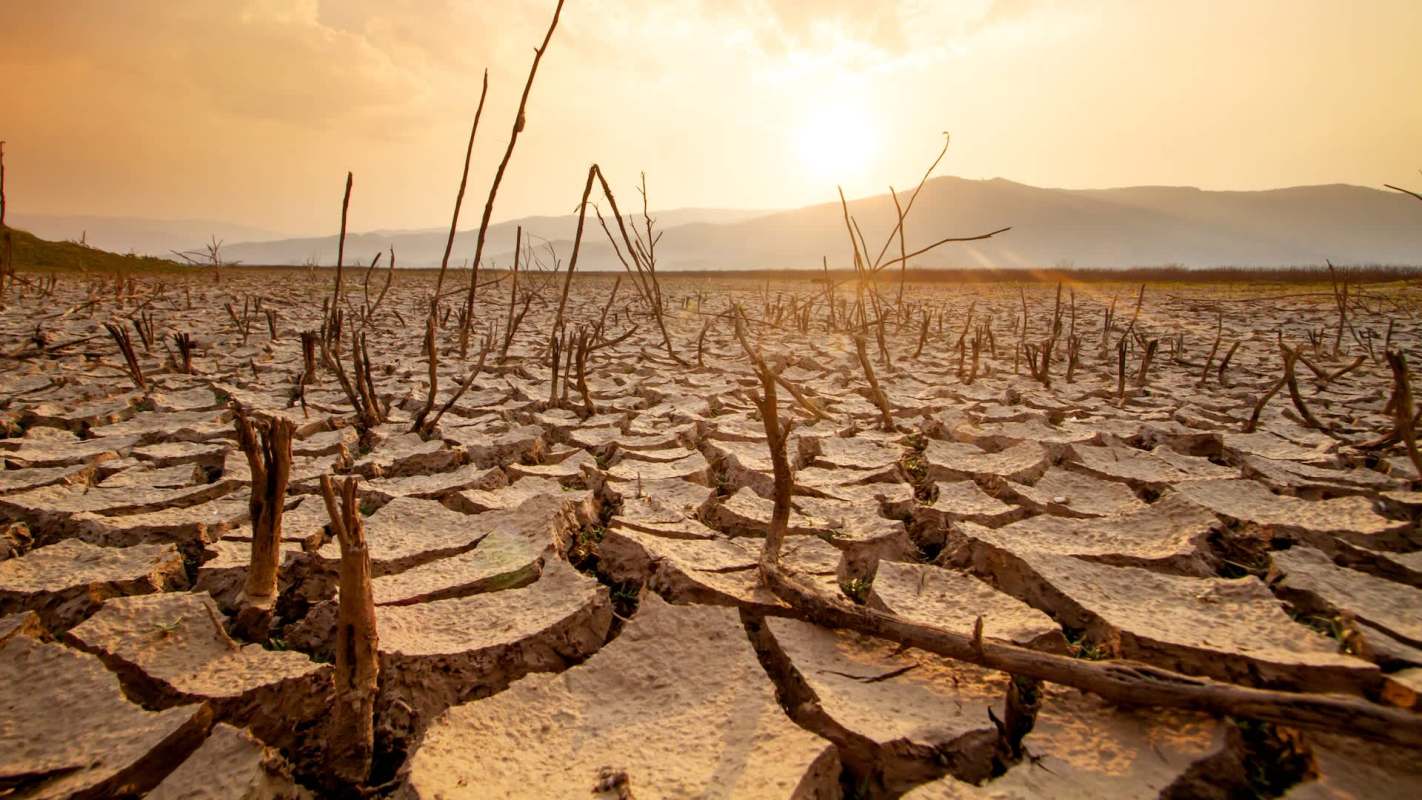
A new study discovered that dry soil and atmospheric high pressure amplify each other, making the most extreme U.S. heat waves even more dangerous.
Here's what to know
Scientists from the International Institute for Applied Systems Analysis and Potsdam Institute for Climate Impact Research examined the relationship among soil moisture, temperature, and high pressure in a study published Nov. 6 in Science Advances, Nature World News reported.
As soil loses water, evaporation provides less cooling at the surface. High pressure adds to the heating by clearing skies so more sunlight reaches the ground. The heat can then strengthen high pressure, which in turn exacerbates the heat. Once temperatures cross a certain threshold, this reinforcing cycle can take hold.
In 28% of humid regions at middle latitudes, this phenomenon accounted for 10% of the departure from average temperatures at the peak of the most extreme weather events.
"If we're right and this interaction is making the most extreme heat events even hotter, it means we could be in store for more severe future heat wave risks than what is currently expected," study co-author Kai Kornhuber, of the Max Planck Institute of Geoanthropology and IIASA, stated in a news release.
More background
The researchers cited the 2021 Pacific Northwest heat wave, which surpassed previous temperature records by 4.6 degrees Celsius (8.3 degrees Fahrenheit).
TCD Picks » Quince Spotlight
💡These best-sellers from Quince deliver affordable, sustainable luxury for all




Another example was the United Kingdom's 2022 heat wave, when temperatures exceeded 40 C (104 F) for the first time.
Central Europe's likelihood of reaching temperatures that trigger the cycle rose from 6% during 1979-83 to 23% during 2018-22. The cycle begins in Europe at 4 C (7.2 F) above the summer average.
Global climate models, including the CMIP6 generation used in major assessments, may underestimate this interaction because they simulate soil conditions that are too dry at the onset of heat waves.
With less moisture left to lose, the models may not fully capture the additional heating that occurs as soil dries out.
What can be done?
Households may need to prepare for temperatures beyond anything residents have experienced, particularly in places such as the Pacific Northwest, where air conditioning is not common.
Nature World News identified older adults, outdoor workers, people with heart or lung conditions, and people living alone as especially vulnerable.
Residents can prepare by locating nearby cooling centers, consulting HeatRisk forecasts from the National Weather Service, and making plans to check on at-risk neighbors. Considering cooling options before the summer can also help households prepare.
Municipalities and utilities can use these findings to assess whether their emergency plans and electrical grids can handle more intense heat and greater peak power demand.

Get TCD's free newsletters for easy tips, smart advice, and a chance to earn $5,000 toward home upgrades. To see more stories like this one, change your Google preferences here.






