


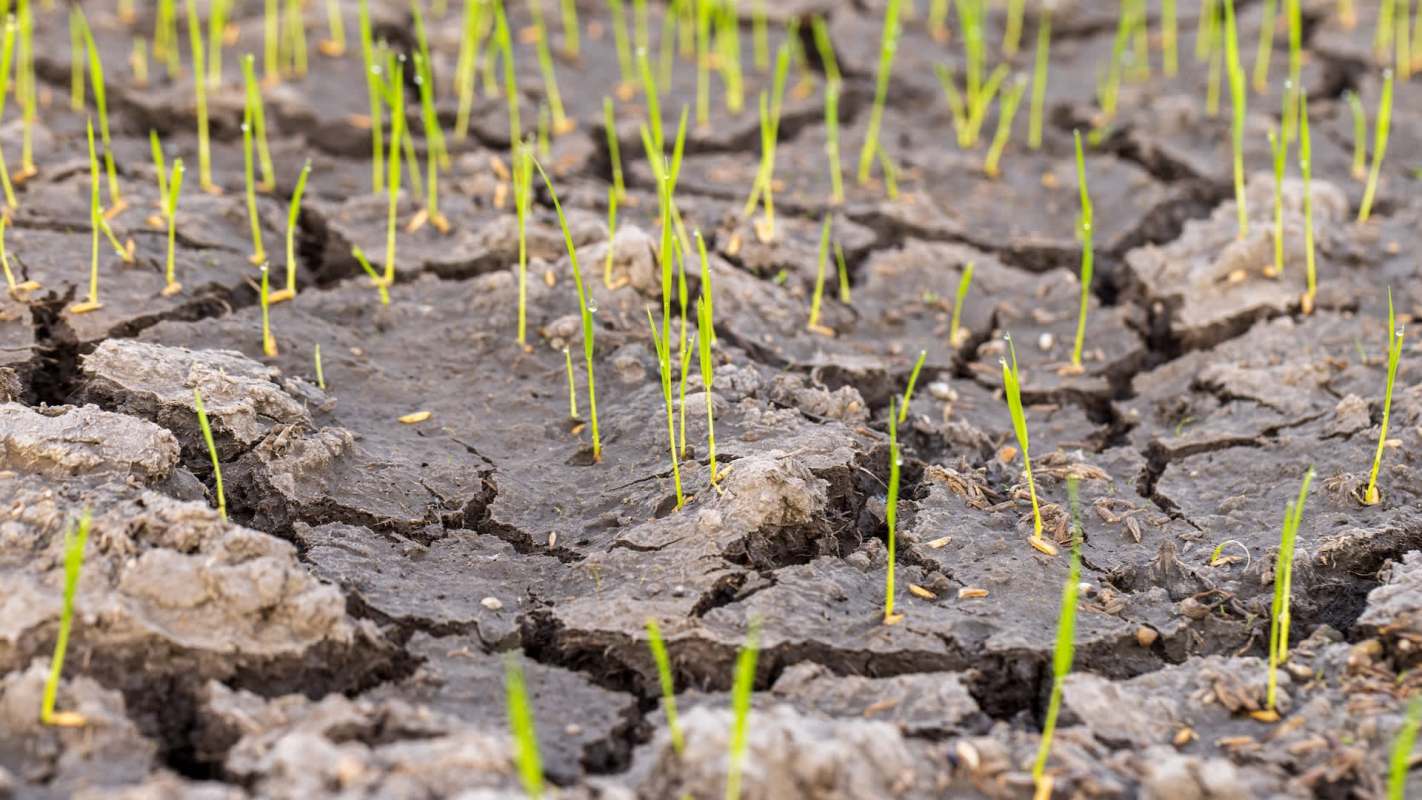
Heavy May storms are bringing some much-needed rain to parts of the Southern Plains, but it is not enough to erase a drought that has already had a major impact on farms, water supplies, and wildfire risk.
Across western Texas, Oklahoma, and Kansas, drought remains entrenched.
A drought status update from the National Integrated Drought Information System and its partners said a storm system active on May 19 was expected to bring widespread rainfall to the eastern Southern Plains. The update includes dry areas in parts of southern and eastern Texas, along with eastern Oklahoma, southern Arkansas, and northern Louisiana.
The rain was expected to improve conditions in some places, especially after recent precipitation already brought relief to parts of the eastern region. But officials cautioned that this short-term improvement is not the same as recovery from persistent drought.
The western side of the region is facing a different reality. The High Plains, including western Texas, much of Oklahoma, and Kansas, are expected to receive less rain and remain comparatively dry. Drought is forecast to persist there through the summer.
That continuing dryness has already carried a steep economic cost. This year's winter wheat yield came in far below expectations, creating a billion-dollar production deficit.
TCD Picks » Quince Spotlight
💡These best-sellers from Quince deliver affordable, sustainable luxury for all




The drought is affecting much more than crop totals. In the hardest-hit areas, it is also stressing rangelands, shrinking water supplies, and increasing wildfire danger. For communities that rely on agriculture, that can create ripple effects for jobs, local business activity, and household finances.
The wheat shortfall shows how prolonged dry conditions can damage an entire growing season, even when later storms arrive. Rain in May may help some fields and pastures recover, but it cannot reverse earlier losses.
There is also little confidence that summer will bring a clear turnaround.
Long-range forecasts for May through July suggest temperatures are likely to stay above normal, while precipitation odds are roughly split between wetter- and drier-than-normal outcomes. Heat is favored, but reliable rainfall is not.
NIDIS and partners said more drought status updates will be issued as conditions change.
According to the NIDIS update, a strong El Niño should favor a wetter, cooler winter, which could improve drought outlooks heading into the colder months. The same update notes that summers ahead of an El Niño winter have historically seen less tropical storm activity over the Gulf.
May's storms could ease conditions in parts of the Southern Plains, but western Texas, Oklahoma, and Kansas are still expected to remain in drought through summer, even as eastern areas get some relief.

Get TCD's free newsletters for easy tips, smart advice, and a chance to earn $5,000 toward home upgrades. To see more stories like this one, change your Google preferences here.






