


Storms that once seemed exceptional are showing up more often, and the added-up destruction they cause is growing.
A new study suggests one practical way to limit some of that damage may already be in place through tougher building standards that make homes less vulnerable to hurricane winds.
Here's what to know
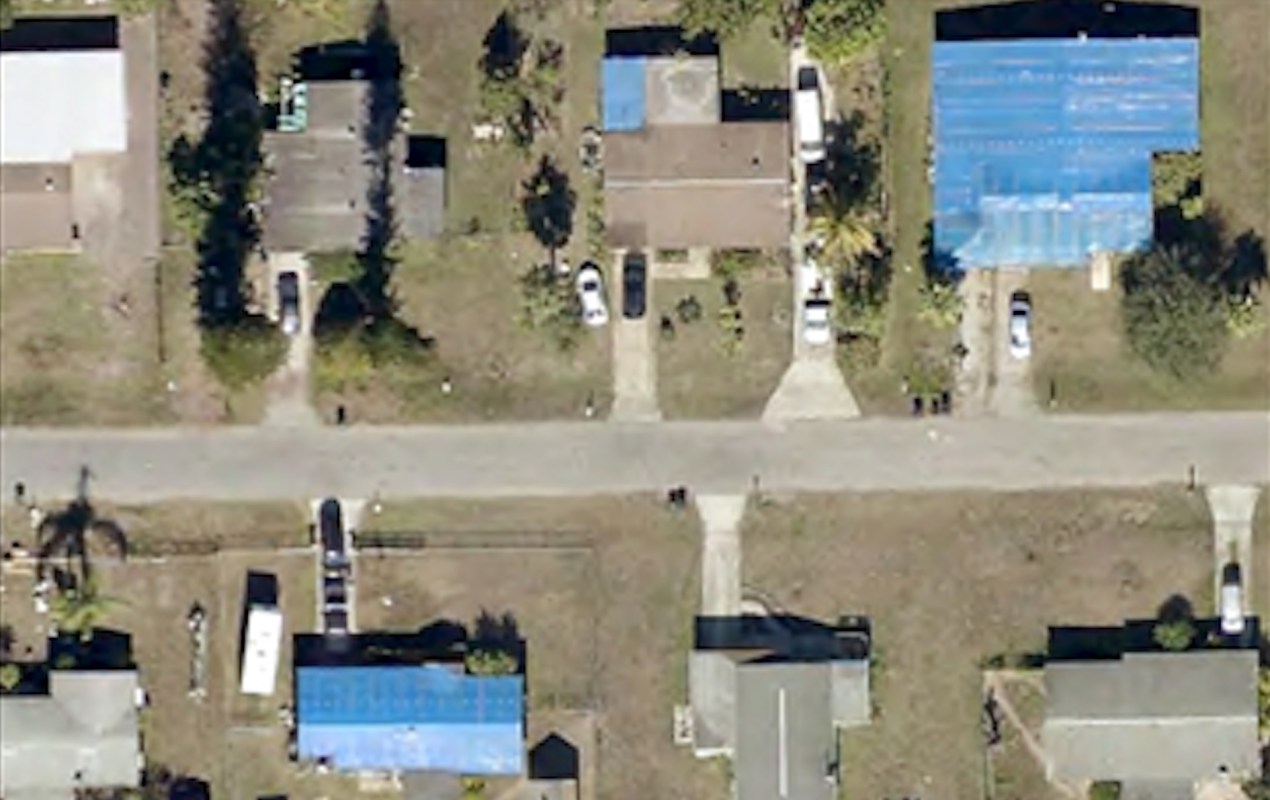
Researchers from Kyoto University and Kobe University described in a press release how they created a large-scale way to detect wind damage from hurricanes by scanning drone and satellite imagery taken after storms for blue tarps.
Those tarps are commonly used to cover damaged roofs. Using images collected after Hurricane Irma struck Florida in September 2017, they estimated both where wind damage occurred and how severe it was.
That damage information was then linked to building-permit data for more than 1 million homes across eight counties in South Florida.
To assess the impact of Florida's 2001 building code, the study compared homes constructed just before the new rules took effect with those built just after. The code required stronger roof-to-wall connections, thicker roof sheathing, and, in some areas, impact-resistant windows and doors.
TCD Picks » Quince Spotlight
💡These best-sellers from Quince deliver affordable, sustainable luxury for all




In the analysis, homes built under the newer code were about 22% less likely to sustain wind damage, and the damage they did experience was roughly 27% less severe.
"This study provides large-scale evidence that stronger building codes are effective for reducing wind risk and adapting to climate change," commented co-author Kenji Takeuchi, in the release.
More background
When hurricanes damage homes, the losses generally come from flooding and wind. After Hurricane Ian in 2022, 44% of insurance claims were tied to flooding and 56% to wind damage.
Even with that split, researchers have often devoted more attention to flooding because elevation data and hydrology models make flood risk easier to estimate.
Tracking wind damage over large areas has been much more difficult. And because there is no community-wide barrier against strong winds comparable to a dam or levee, much of the risk depends on individual homes and how well they are built.
To address that problem, the researchers created a wider visual approach for spotting roof damage after a storm.
The economic fallout can be significant as well, per the release. Damaged homes sold before repairs were finished were harder to sell and brought in about 13.3% less than undamaged homes, constituting roughly a $29,400 loss.
What's being done?
Florida's 2001 building code is one example of a policy meant to strengthen homes before a disaster happens. Meeting those standards has often required homeowners to spend thousands on roof reinforcement or impact-resistant features, with the average cost around $4,930, according to the release.
The findings suggest those expenses can be worthwhile, especially as climate change contributes to hurricanes that are stronger, slower-moving, and more destructive.
When reroofing or rebuilding, stronger connections, sturdier decking, and impact-resistant materials may not just protect a house during a hurricane but also help preserve resale value afterward as a selling point, too. In other words, in hurricane-prone communities, most buyers want that security as much as the existing owner, so the investment should also increase the value of the home even if it doesn't necessarily improve its function or curb appeal.
"I hope this research will provide useful insights for disaster preparedness and the development of effective climate change adaptation policies," Takeuchi concluded in the release.

Get TCD's free newsletters for easy tips, smart advice, and a chance to earn $5,000 toward home upgrades. To see more stories like this one, change your Google preferences here.






