


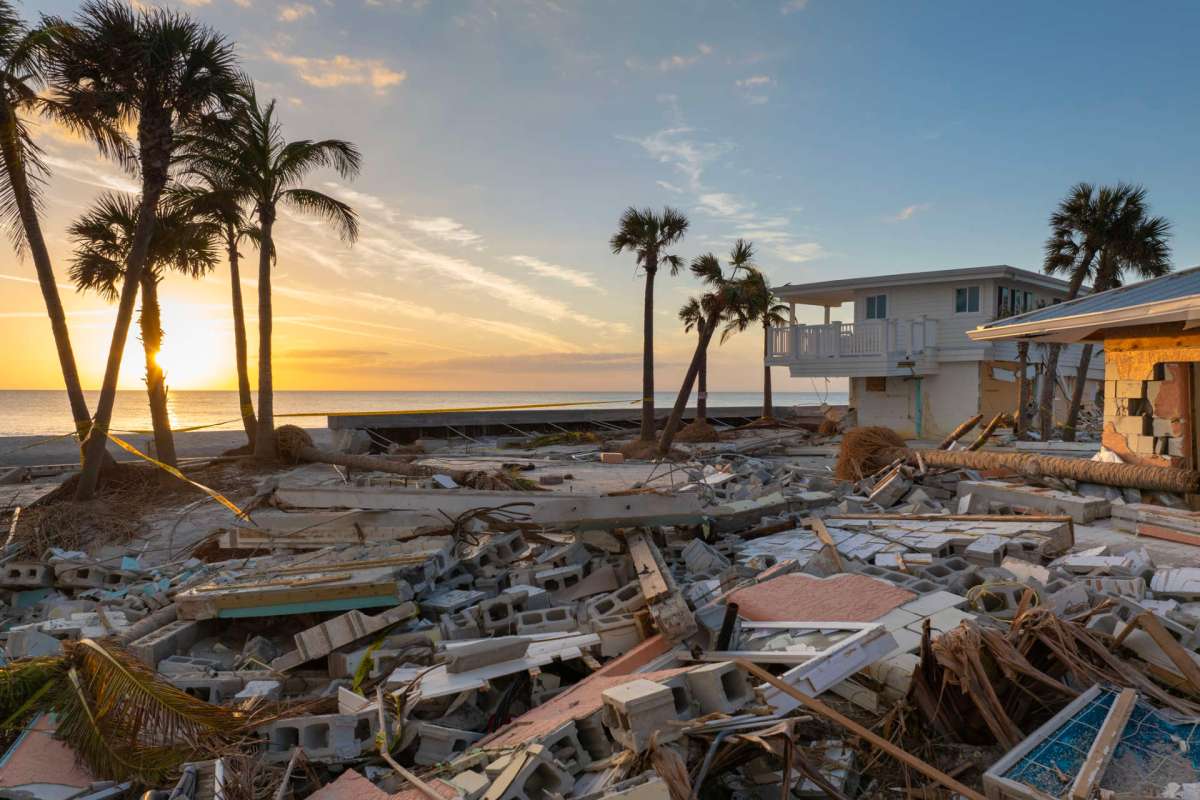
The stakes in hurricane prediction extend well beyond daily convenience. Forecasts influence evacuations, spending decisions, and choices that can determine who stays safe, and research indicates that the price of forecast errors may be much higher than standard estimates suggest.
For places regularly threatened by storms, that finding could reshape how local leaders and residents evaluate spending on forecasting systems.
Here's what to know
Researchers led by Florida International University statistician Sneh Gulati and Buck Sampson, a former meteorologist at the Naval Research Laboratory in Monterey, said the payoff from accurate hurricane forecasting has been valued too low. Their study described a model that measures more than just losses to buildings and vehicles.
The model includes costs tied to injuries, evacuations, and the lingering drop in public confidence that can follow a forecast that goes badly.
Officials must often commit to expensive preparations before a hurricane's track and strength are certain. Moving earlier than necessary can burn through millions, but waiting can increase the danger to both people and infrastructure.
When the tally focuses only on obvious physical damage, a large part of the benefit provided by strong forecasting systems can disappear from view.
TCD Picks » Quince Spotlight
💡These best-sellers from Quince deliver affordable, sustainable luxury for all




More background
Forecasting and weather research are supported with public money, and that funding is not always secure.
Mistaken forecasts can create costs beyond wrecked property. They may send households into needless evacuations and make it tougher for authorities to convince people to act when a later storm poses a real threat.
That loss of trust can be difficult to measure. If people begin to see warnings as exaggerated or unreliable, they may wait too long to leave or ignore future alerts entirely. In hurricane-prone communities, that kind of doubt can quickly turn dangerous.
By translating forecast performance into dollars, the study offers communities a more concrete way to debate these systems. It frames weather prediction not only as a public service but also as infrastructure that helps avert wider economic and human damage.
What's being done?
Because the calculation of forecast benefits is being broadened, policymakers may have a stronger basis for funding the people and technology that help communities get ready ahead of landfall.
That argument could bolster efforts to preserve or expand support for federal weather agencies and the tools their scientists use. It may also give emergency managers a clearer way to weigh hard choices about warnings and evacuation advice.
Better forecasting can reduce both danger and unnecessary disruption.
The value of precise forecasts reaches beyond spared buildings and vehicles. They can cut costs, limit injuries, and protect the public trust emergency officials need before the next hurricane arrives.
Once those harder-to-see effects are assigned a cost, hurricane forecasting appears more valuable than it is often credited for, and misjudging that value may itself be expensive.

Get TCD's free newsletters for easy tips, smart advice, and a chance to earn $5,000 toward home upgrades. To see more stories like this one, change your Google preferences here.






