


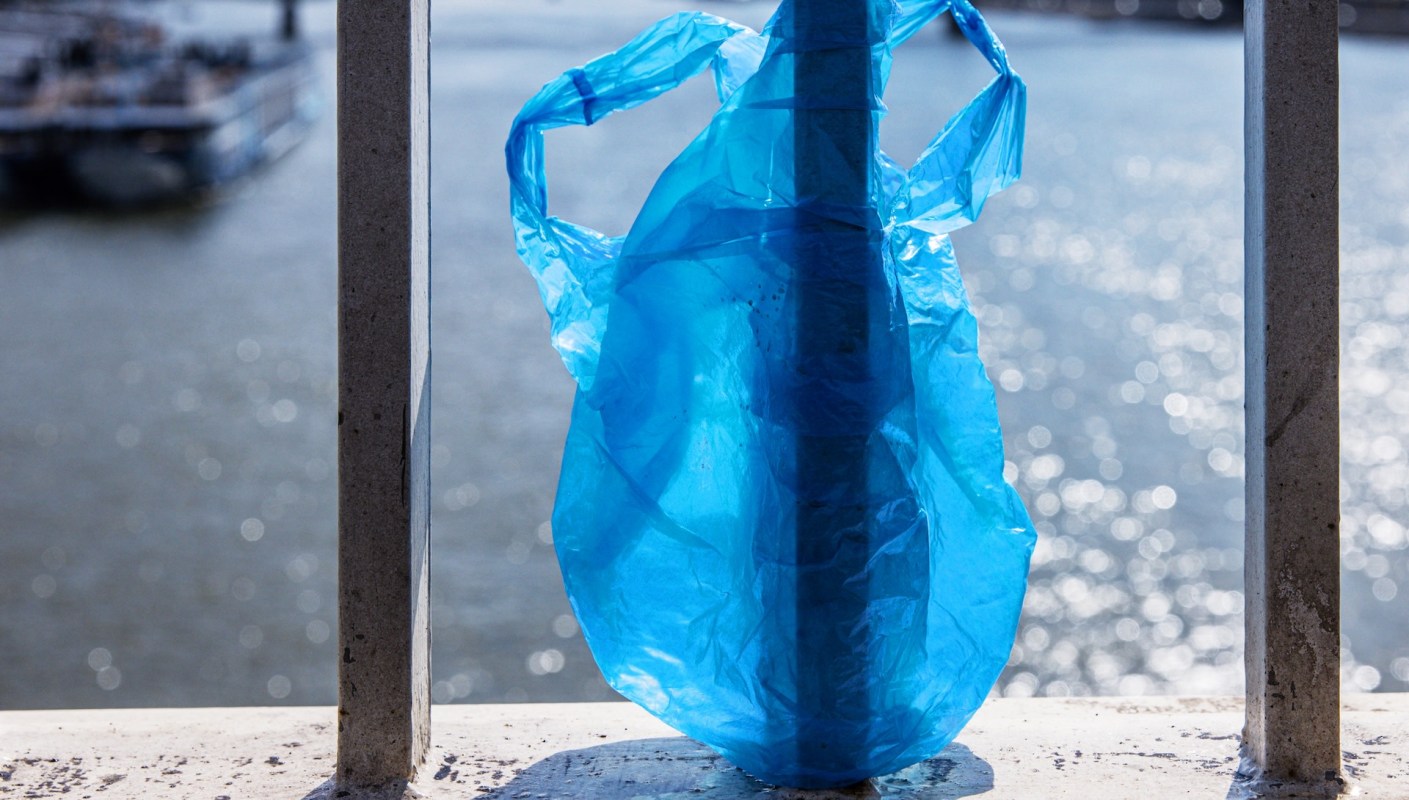
New research shows that one of the world's biggest polluters — discarded single-use plastic — could be used to help create vital infrastructure around the world.
An article from Edith Cowan University reported on a study published in Applied Sciences, which shows that plastic shopping bags and empty milk bottles could be integrated into pavement materials, helping to make roads stronger.
"Plastic waste has become a very concerning and dangerous problem all around the world," study author Ali Ghodrati, a PhD student, said per the Edith Cowan University article. "Recycling these plastics into pavement not only offers a practical solution to plastic pollution but also enhances the strength and longevity of our roads."
Anything that helps reduce plastic waste would be a massive step forward for the environment. More than 500 million tons of plastic are produced each year, with the vast majority of that being created with dirty fuels.
Of all the plastic waste generated each year, less than 10% is recycled. Instead, much of it ends up in our landfills and waterways — so much so, in fact, that more than 170 trillion pieces of plastic are believed to be in the ocean.
Not all plastics are suitable for roads. But the melting point of thermoplastics used in shopping bags and milk bottles is low enough that they would properly dissolve in the temperatures at which asphalt is typically mixed, without creating as many toxic byproducts.
Side note: One of the good things about asphalt either way is that it is among the more recyclable materials in the world, with the Federal Highway Administration estimating a 99% recycling rate when highway asphalt is reclaimed during replacement work.
Plastic bags are a bigger problem than you might first think. Each American uses an average of 365 plastic bags annually, and some studies estimate that five trillion plastic bags are used globally each year.
Even as more states move to ban them, there are still enough of these bags being thrown out that any constructive use for discarded bags could make a huge difference.
The process still needs to be tested on a larger scale, in more real-world scenarios, to determine its long-term viability. But the initial trials are promising enough to excite researchers about its future possibilities.
TCD Picks » Quince Spotlight
💡These best-sellers from Quince deliver affordable, sustainable luxury for all




"What excites us is the dual benefit; helping the environment while creating resilient and sustainable longer-lasting roads," study author Nuha Mashaan said, per the Edith Cowan University article. "It's an innovation that has the potential to deliver real change for both communities and industry."
|
Should plastic grocery bags be banned nationwide? Click your choice to see results and speak your mind. |
 Absolutely 👍
Join our free newsletter for weekly updates on the latest innovations improving our lives and shaping our future, and don't miss this cool list of easy ways to help yourself while helping the planet.
Cool Picks





