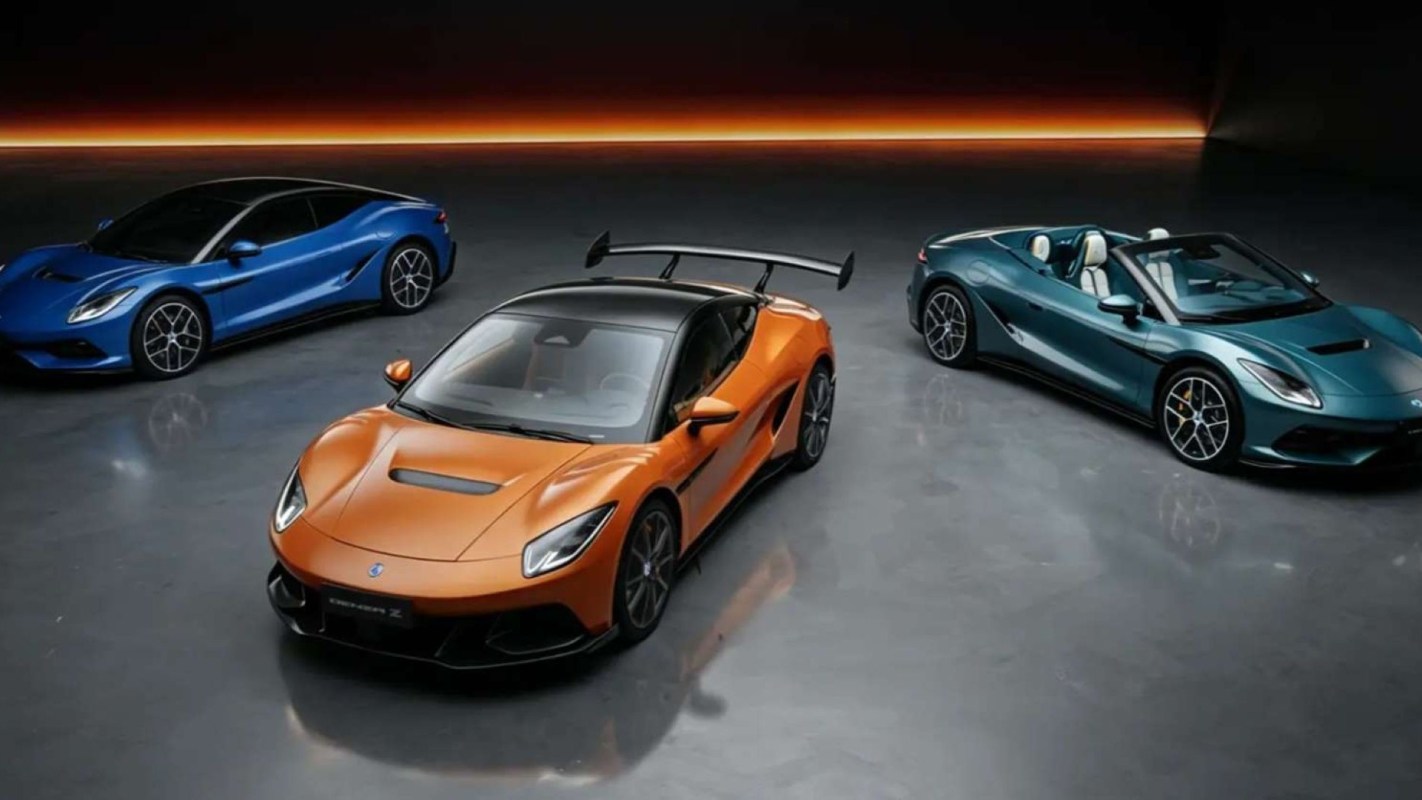
Denza, the premium brand backed by BYD, brought its new Z electric supercar to the Goodwood Festival of Speed in England, putting its performance credentials in front of one of Europe's most influential car audiences.
Rather than simply making an appearance, Denza's new Z arrived with specs meant to command attention: 1,582 horsepower, a dash to 62 mph in less than two seconds, and charging fast enough to lift the battery from 10% to 97% in about nine minutes.
What happened?
At the Goodwood Festival of Speed — one of Europe's most influential automotive events — Denza showcased what its new Z electric supercar can do. According to InsideEVs, the three-motor model produces 1,582 horsepower, and the Racing trim with optional semi-slick tires is rated for 0-62 mph in 1.96 seconds and a top speed of 217 mph.
Just as striking are the charging specs. The Denza Z pairs a 76-kilowatt-hour lithium iron phosphate battery with BYD Flash charging that can reach 1,500 kilowatts, which Denza says is enough to take the pack from 10% to 70% in five minutes and to 97% in nine minutes.
Depending on the configuration, the car is offered as a coupe, convertible, or track-focused model, with a rated range of 380 to 410 km (236 to 255 miles). Former Formula 1 champion Jenson Button also drove the car at Goodwood. While pricing for Europe has not been announced, InsideEVs, citing ITHome, said the coupe starts at about $191,000 in China.
Why does it matter?
Most drivers will never shop for a six-figure supercar, but halo vehicles like this can preview features that eventually make their way into more affordable electric vehicles. In this case, that means ultra-fast charging, durable LFP batteries, and high-output electric drivetrains.
TCD Picks » EDF Spotlight
💡EDF's Vital Signs newsletter delivers stories about game-changing solutions close to home and around the world
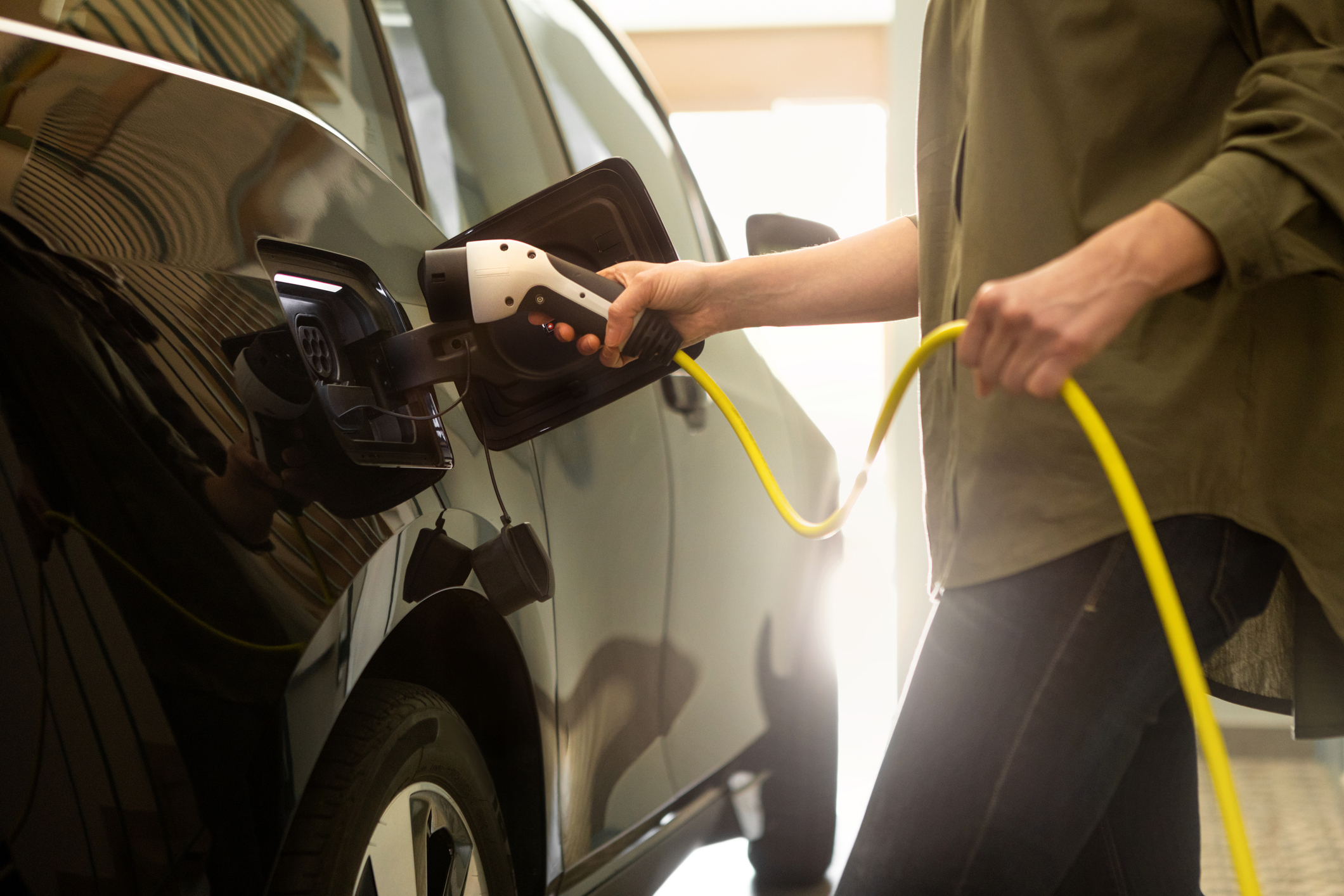

EVs can already save many households money on fuel and routine maintenance. Drivers avoid oil changes, and regenerative braking can reduce wear on brake components. If charging speeds continue to improve across the market, one of the barriers to switching from gas could shrink even further.
Chinese automakers are pushing battery tech forward. Denza is not alone: Other brands and battery makers are also posting megawatt-class charging results, suggesting the next wave of EV improvements may focus as much on convenience as on raw range.
What can I do?
If a supercar isn't on your shopping list, the EV market is moving quickly, and shoppers have more reasons than ever to consider buying an electric vehicle. For many drivers, the biggest benefits are lower fueling costs, less routine maintenance, and a quieter, smoother ride.
It also pays to watch battery chemistry and charging specs when comparing models. LFP batteries are becoming more common because they can offer strong durability and lower costs, and the same charging advances debuting in premium vehicles could eventually make mainstream EV ownership easier for more people.
Denza says the battery made it through testing "without fire, smoke, or thermal runaway," according to InsideEVs, and the company says its ceramic brakes are "expected to last 300,000 km (186,000 miles)." For a brand trying to break into Europe, that's a bold way to pitch both speed and staying power.

Get TCD's free newsletters for easy tips, smart advice, and a chance to earn $5,000 toward home upgrades. To see more stories like this one, change your Google preferences here.