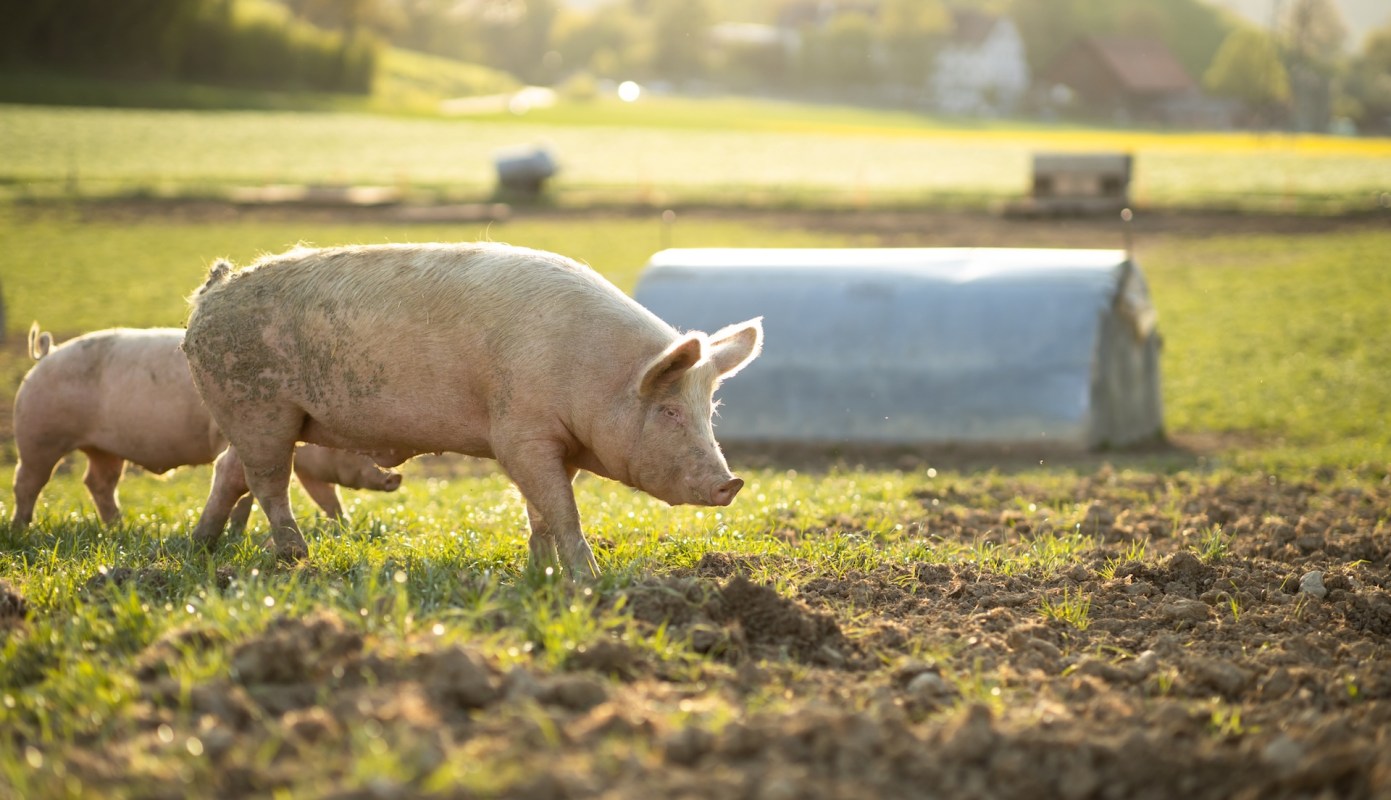
Denmark is turning pig manure into fuel, producing enough to leave some rural gas networks with more than nearby customers need during certain times of the year.
Here's what to know
The surplus presents an unusual challenge, since moving that biogas elsewhere requires compressors to push it backward through a system designed for one-way delivery.
In July, Danish biogas production reached 708 gigawatt-hours against gas consumption of 710 gigawatt-hours — equivalent to 99.7% of demand, clean-energy engineer Rosemary Barnes explained in a YouTube video.
Over the course of a year, biogas supplies more than 40% of Denmark's gas use.
Regional biogas plants produce methane that can travel through the existing gas network to fuel stoves and boilers. They collect manure for processing in warm, airtight tanks, then remove carbon dioxide from the resulting gas.
When heating demand falls in the summer, surplus biogas must be compressed to reach the higher-pressure transmission system. Most plants feed gas into lower-pressure local networks.
TCD Picks » Quince Spotlight
💡These best-sellers from Quince deliver affordable, sustainable luxury for all




Denmark can also store gas at two subterranean facilities, Barnes said, saving summer production for winter use. This helps balance a relatively steady supply of manure with heating needs that can vary significantly throughout the year.
More background
Environmental rules already require Denmark's farmers to collect and store the abundant manure produced by the country's farming industry. Barnes said Denmark produces roughly 25 million to 30 million pigs annually, compared with a population of about 6 million people.
Requirements for covered manure tanks and tighter controls on manure spreading helped lay the groundwork for biogas production. Denmark began introducing restrictions in the mid-1980s to address nitrogen runoff that was damaging coastal waters.
Barnes noted that Denmark is still addressing methane leaks from biogas plants and gas pipes. Capturing methane released during manure storage can both provide fuel and keep some of that powerful planet-warming gas from reaching the atmosphere.
Farms can also use the leftover material from biogas production as fertilizer.
One commenter on Barnes' video who identified themselves as a biogas worker in Tasmania emphasized the technology's potential for processing organic waste.
"I would add … that there's a case to be made for farms, food and fibre processors, and communities to use biogas to make far better use of their organic waste than what is happening now," the viewer commented.
What's being done?
About two-thirds of Danish homes use district heating, according to Barnes. Alongside producing biogas, Denmark is reducing demand on old gas systems and has prohibited newly built homes from joining the gas network since 2013.
Heat pump subscriptions are also available, and government support helps residents replace old gas boilers.
For homeowners exploring energy upgrades, EasyHome uses the size of its audience to negotiate exclusive prices and deals with local partners — like Groupon for home energy — across products including solar panels, backup batteries, heating and cooling systems, and more.
Denmark's network operator is mapping residential streets that could disconnect from old gas systems entirely. Barnes said a deadline adopted in 2022 calls for household gas heating to end by 2035.
Slower-than-planned reductions in gas demand have put the government's forecast for an entirely green gas supply at 2035 — the deadline by which household gas heating is also set to end, according to Barnes. The country has a separate target of reaching that milestone by 2030.
"The part of this story that every other country should copy isn't the biogas — it's getting off gas," Barnes said in the video. "Denmark decided years ago that most homes shouldn't run on gas at all, and it built the district heating, the heat pump schemes, and the rules to make that happen. That's what turned a limited supply of biogas into 40% of the country's gas."
Where can I learn more?
Denmark's use of manure for fuel is just one example of how organic waste can become an energy source:
• Virginia Beach customers could fund a sewage gas project supplying energy for 5,000 homes.
• Vanguard Renewables plans to nearly double food waste-to-gas capacity by buying Generate Upcycle's operations.
• In Florida, Manatee County plans to turn landfill methane into fuel for municipal fleets.

Get TCD's free newsletters for easy tips, smart advice, and a chance to earn $5,000 toward home upgrades. To see more stories like this one, change your Google preferences here.