


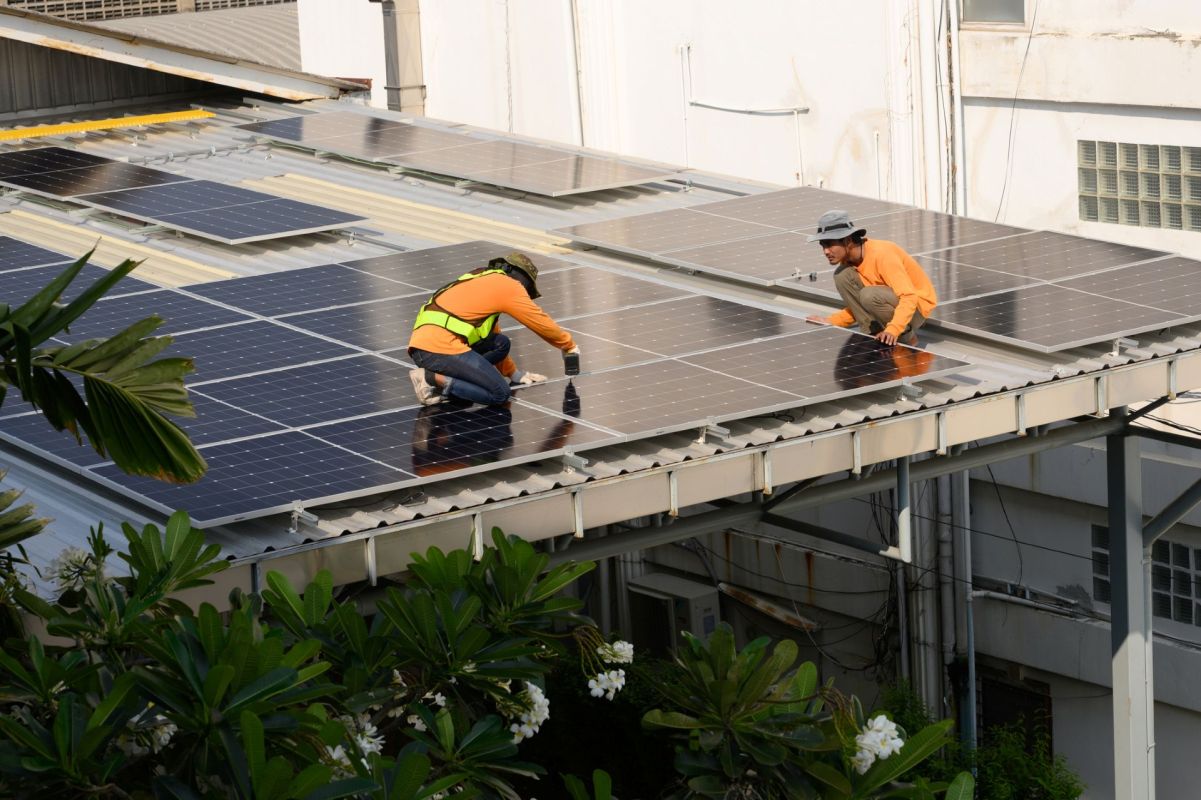
Delhi is revising how residents get rooftop solar approved, aiming to make the process less burdensome by trimming paperwork, speeding timelines, and dropping one major requirement for many homes.
The changes are intended to help households reach installation sooner by easing delays that have often slowed home solar adoption.
What's happening?
Delhi has rolled out updated rooftop solar rules that could accelerate adoption, according to ETEnergyworld.com. The outlet reported that the revised net-metering guidelines took effect July 16 and also apply to pending applications.
The most significant shift affects domestic systems of the same supply type that are 10 kilowatts or smaller. Those households no longer have to complete a technical feasibility assessment before proceeding.
The Delhi Electricity Regulatory Commission also reduced approvals from a three-step process to a two-step one, made connection agreements digital, and put the entire system online.
For many homeowners, going solar is one of the best ways to save money on home energy. If you're curious about costs, EnergySage offers free tools to get quick solar installation estimates and compare quotes.
Why does it matter?
Installations above 10kW still require a technical feasibility review, but that review must be completed within 15 days of a fully submitted application. After the system is installed and documents are uploaded, verification, inspection, and net meter installation must then be finished within the next 10 days.
For systems up to 10kW, grid connection must be granted within 10 days of document submission, the report said. The outlet noted that households can use the PM Surya Ghar Muft Bijli Yojana to plan installations, begin saving sooner, and contribute more renewable electricity to the grid.
Save $10,000 on solar panels without even sharing your phone number Want to go solar but not sure who to trust? EnergySage has your back with free and transparent quotes from fully vetted providers that can help you save as much as $10k on installation. To get started, just answer a few questions about your home — no phone number required. Within a day or two, EnergySage will email you the best local options for your needs, and their expert advisers can help you compare quotes and pick a winner. |

What's being done?
The report said the new framework folds document verification, inspection, and net meter installation into a single stage, a change meant to cut repeated steps and delays. By moving the process online and setting deadlines for approvals, Delhi is trying to make rooftop solar more workable for households.
If you're considering panels yourself, EnergySage's free services can help simplify the buying process. With EnergySage's help, you can save up to $10,000 on solar purchases and installations. You can also explore EnergySage's solar map, which shows the average cost of a home solar panel system on a state-by-state level, along with details on solar panel incentives for each state. These resources can help you get the best price for rooftop solar panels and access available incentives.
Adding battery storage to a solar setup is one of the best ways to protect your home during outages, save money on energy, and go off grid. You can explore EnergySage for free tools and information about home battery storage options, including competitive installation estimates.
As a Delhi official said, "For small residential rooftop systems, safety risks are generally low and can be managed through standard technical specifications. Requiring every homeowner to wait for a feasibility study was adding time and paperwork without delivering significant safety benefits."
More From EnergySage
💡Go deep on the latest news and trends shaping the residential solar landscape




Get TCD's free newsletters for easy tips, smart advice, and a chance to earn $5,000 toward home upgrades. To see more stories like this one, change your Google preferences here.






