


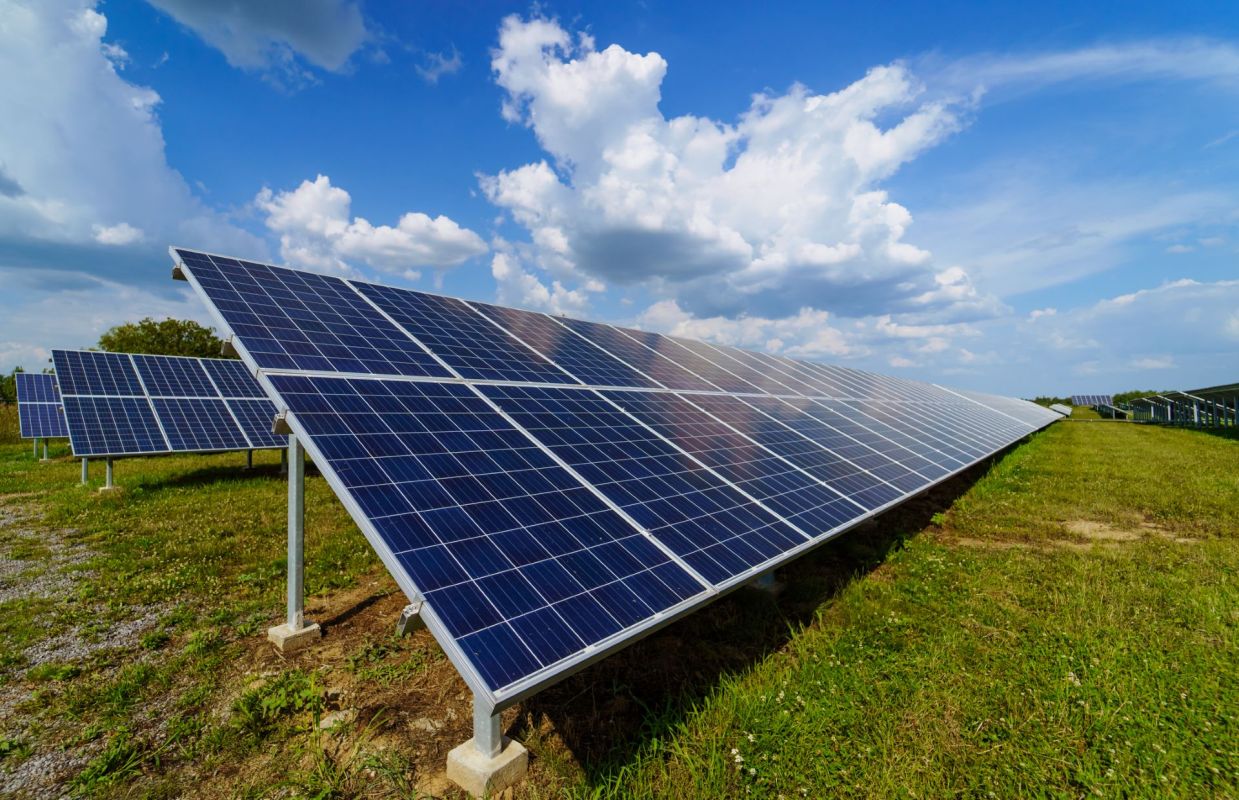
Thousands of Delaware households may soon have a new way to trim their electricity costs as state officials speed up four community solar developments valued at more than $73 million.
Together, the projects would add more than 16 megawatts of power generated within the state and could expand solar-related savings to people who can't put panels on their own homes, including renters.
What happened?
Gov. Matt Meyer announced Tuesday that four ECA Power projects in Clayton, Townsend, and Seaford are joining the state's JobsFirst Permitting Accelerator, according to Delaware Business Times.
The outlet reported that the projects are expected to produce roughly 39.6 million kilowatt-hours of electricity annually combined and could deliver yearly savings of hundreds of dollars to more than 15,000 households through Delaware's community solar program.
Meyer described the effort as both an affordability and energy security issue.
"Delawareans shouldn't have to choose between keeping the lights on and putting food on the table," he said during the event, the Delaware Business Times reported.
TCD Picks » Quince Spotlight
💡These best-sellers from Quince deliver affordable, sustainable luxury for all




"We do not generate enough power here in our state," Meyer added. "Projects like this help relieve some of the pressure on the grid."
Why does it matter?
Community solar can help households lower utility costs without requiring them to buy a full solar setup of their own.
Rather than installing panels at home, participants sign up for a share of a nearby solar project and receive bill credits tied to that shared array.
Because that approach doesn't depend on having a usable roof, it can bring clean-energy savings to renters, apartment dwellers, and homeowners with shaded, aging, or otherwise unsuitable roofs. It also gives families another option for reducing recurring expenses, similar to other strategies people use to shrink home energy bills.
More locally produced renewable electricity can reduce reliance on imported power and help curb pollution associated with fossil fuel generation, which is linked to health harms and climate-warming emissions.
According to Delaware Business Times, some solar proposals spend upward of four years in overlapping reviews by state, local, and utility bodies, delaying both household savings and the arrival of cleaner energy. The JobsFirst Permitting Accelerator was launched and designed to cut through the red tape and speed up permitting and review processes.
For solar developers, that could mean moving through permitting and utility interconnection much more quickly.
ECA Power chief development officer Vincent Moschella said lengthy delays have been a major obstacle, especially in Sussex County.
"Of the three counties, Sussex has been probably the most problematic. It takes us two to three years for us to get our shot at a permit hearing and sometimes even longer," Moschella said during the event, as reported by the Delaware Business Times.
Other developers said the state's efforts are already showing results.
The outlet reported that TurningPoint Energy Manager of Business Development Caroline Belmont said, "we've seen some pretty dramatic improvements to those timelines." She pointed to eight projects that were recently grouped into one Sussex County hearing after being stalled for months to years.
This type of policy shift could mean solar savings arrive sooner.
"We're an all-of-the-above energy state," Meyer said. "Delawareans deserve reliable power at a price they can afford, power that is made here by Delaware workers for Delaware families."

Get TCD's free newsletters for easy tips, smart advice, and a chance to earn $5,000 toward home upgrades. To see more stories like this one, change your Google preferences here.






