


Phoenix's expanding data center boom, one Arizona advocate says, could intensify heat in the neighborhoods around those projects. The concern comes as extreme temperatures already make outdoor construction work in the city a matter of survival.
What's happening?
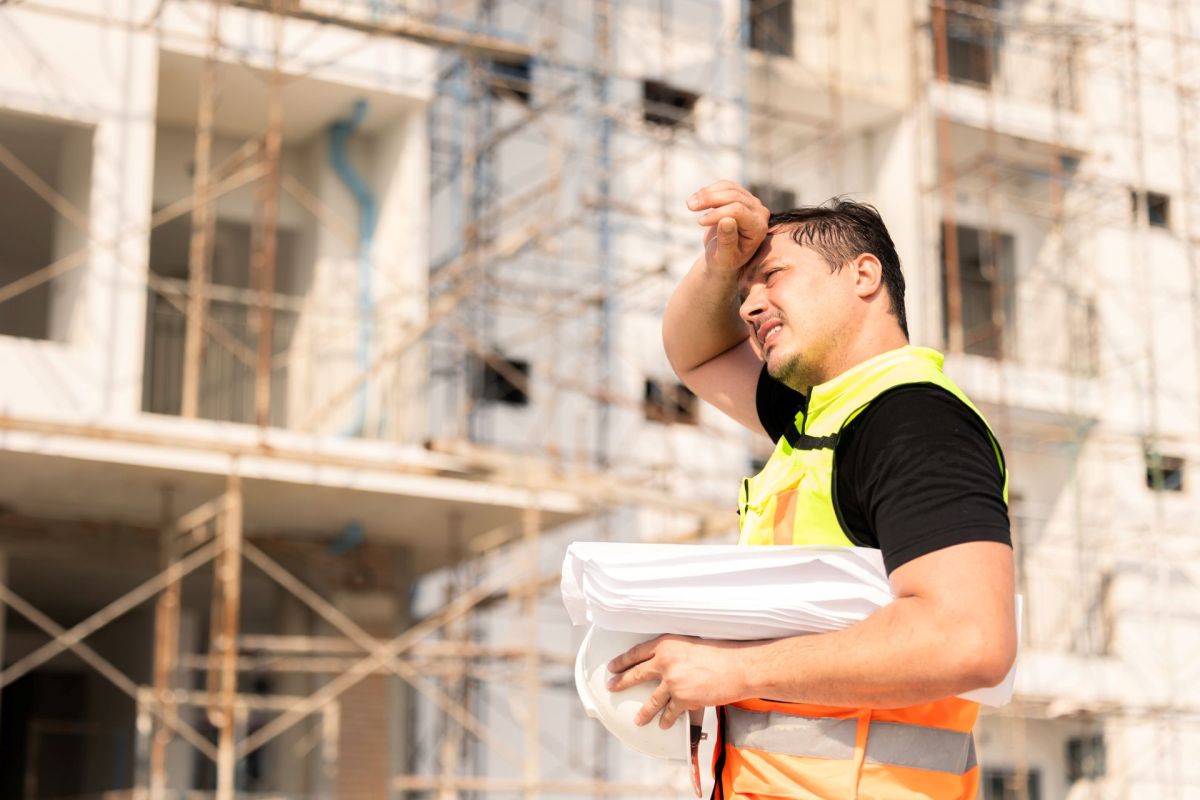
In a commentary for the Arizona Capitol Times, south Phoenix native Jocelyn Anaya Galvan wrote that she received a call from her father while he was helping build a massive data center in north Phoenix. During the call, he told her he had a "pounding headache and a sharp pain in his right arm."
Galvan wrote that her father is part of a workforce, mostly Latino men over the age of 50, that is particularly vulnerable to Arizona's extreme heat. She noted that Latinos represented 23% of Maricopa County heat-related deaths last year and 52% of the construction industry workforce.
In addition to the dangers of working outside, Galvan wrote that her father's employer does not offer health insurance.
To get her father help, Galvan had to search online for low-cost doctors who could speak Spanish.
These risks arise as large-scale data centers can worsen extreme heat in places like Phoenix.
TCD Picks » Quince Spotlight
💡These best-sellers from Quince deliver affordable, sustainable luxury for all




According to a new Arizona State University study cited by Galvan, estimates show that waste heat from data centers could raise temperatures in nearby Phoenix neighborhoods by about 4 degrees.
That finding comes as Arizona continues to break heat records. Galvan noted that 2024 set the state's heat record, 2025 ranked second, and Phoenix had its hottest March on record in 2026.
Galvan also said the effects are being felt in household budgets: her family in south Phoenix saw her father's electric bill hit $500 last summer.
"Families like mine are increasingly forced to choose between staying comfortable indoors or paying skyrocketing utility bills," Galvan wrote.
Why does it matter?
For areas already dealing with the urban heat island effect, another 4 degrees could make Phoenix homes tougher and more expensive to keep cool.
Galvan argued that the burden is not being shared equally. She said the expansion of nearby data center projects could weigh most heavily on older Latino construction workers and communities of color that already face hotter streets, worse air quality, and rising utility costs.
Residents in Ahwatukee, Surprise, and Tucson have also raised concerns about water use, air pollution, and neighborhood heat associated with data center development, Galvan reported.
Many of these new data centers are being built to support AI tools, which can offer real benefits, including helping utilities forecast electricity demand, manage outages, and integrate more solar and wind power.
At the same time, AI infrastructure can require enormous amounts of electricity and water. If that expansion is poorly managed, it can place added stress on local grids, raise household energy bills, and worsen water insecurity.
What's being done?
Arizona leaders are beginning to respond. In the Arizona Capitol Times, Galvan wrote that Gov. Katie Hobbs has proposed ending a $38.5 million state tax break for data centers, a step backed by Phoenix Mayor Kate Gallego after conversations about the pressure those projects put on energy systems.
Galvan said policymakers should go further by looking to GreenLatino's Latino Climate Justice Framework, which promotes tougher worker protections, clean energy investments, and policies to address unequal climate burdens, such as higher utility bills and hotter neighborhoods.
Now, Galvan's father is back at work, building data centers that could raise temperatures in an already scorching city.
As Galvan put it, her father "is paying the price — in his body, in his electric bill, in a healthcare system he cannot access."

Get TCD's free newsletters for easy tips, smart advice, and a chance to earn $5,000 toward home upgrades. To see more stories like this one, change your Google preferences here.






