


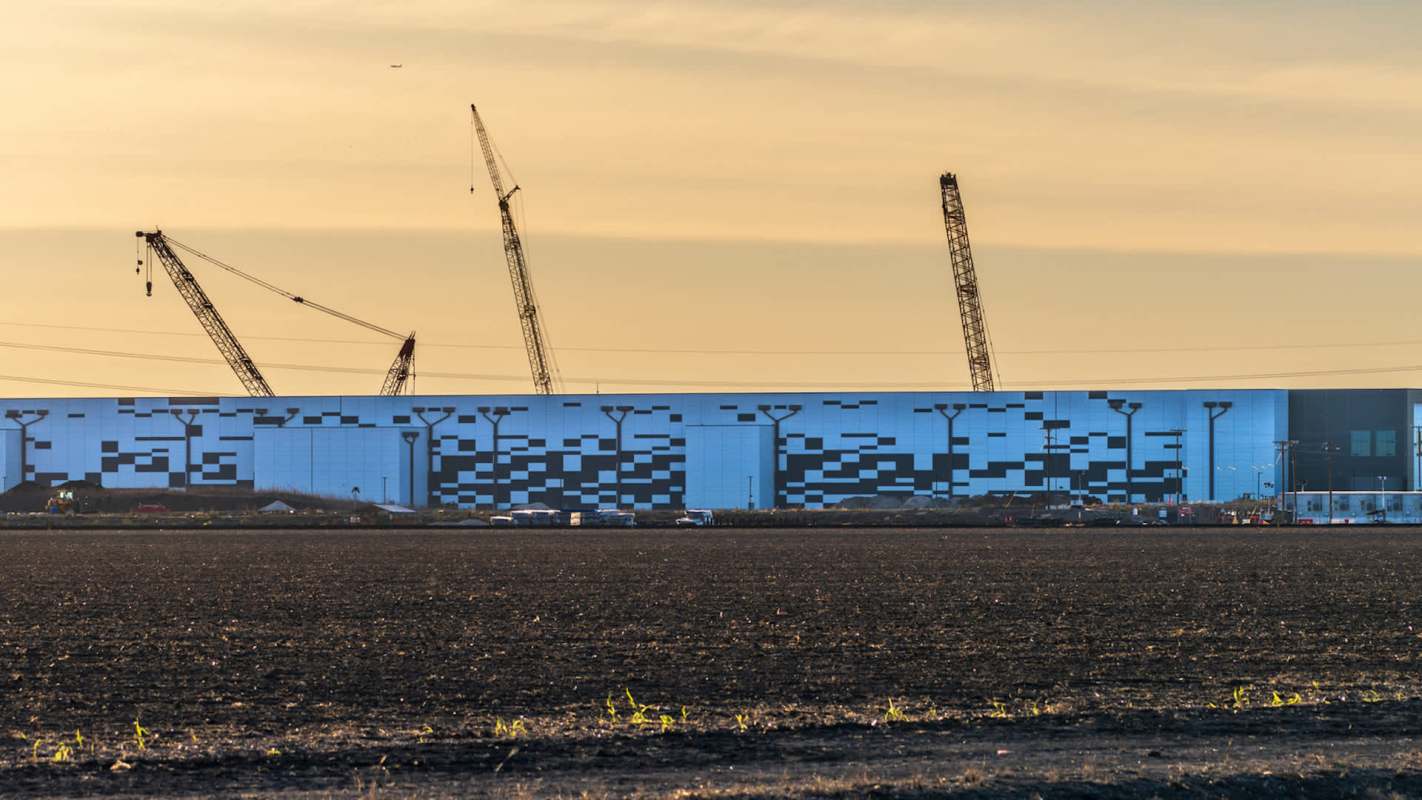
Some teens in Virginia haven't lived a day without a data center project under construction, as data centers in the Loudoun area have been under construction without interruption for 16 years.
Here's what to know
In a video report for The New York Times, Cecilia Kang, the outlet's technology and regulatory-policy reporter, went to Loudoun County, roughly 30 minutes from Washington, D.C., to examine the trade-offs of living in what the caption calls the "data center capital of the world."
Two developments from the mid-1990s helped put Loudoun on this path: major fiber infrastructure was built there, and AOL moved in. Kang said county officials then reinforced that advantage with a key zoning choice, treating data centers like office buildings and making them easier to develop as the internet expanded.
One result has been a huge stream of public revenue. Kang said the industry is expected to generate about $1.3 billion in taxes in 2027, and county leaders have repeatedly cut residents' property taxes because those collections have produced a surplus.
However, not all residents think the upside justifies the downside. One commenter wrote, "I don't see a lot of employment with data centers outside of construction." Another put it more bluntly: "We hate it."
More background
AI is a big reason Loudoun is in the news now. The same kinds of facilities that supported the internet boom are also necessary to train and run AI systems, which is driving demand even higher and accelerating development.
TCD Picks » Quince Spotlight
💡These best-sellers from Quince deliver affordable, sustainable luxury for all




The video shows cranes behind neighborhoods and describes the constant hum of ventilators, while residents and commenters point to electricity use, local businesses being forced out, and the strangeness of giant compounds with few visible workers. As one commenter put it, "Beautiful homes, but weird concrete buildings everywhere."
AI systems and the data centers that support them can require massive amounts of electricity, adding strain that may manifest as higher bills or reliability issues for nearby residents.
In Loudoun, those tensions are shaping housing, infrastructure, public finances, and residents' day-to-day quality of life.
What's being done?
Kang's report suggests county leaders are becoming less comfortable with unchecked expansion. The Loudoun County Board of Supervisors ended the office-park-style zoning treatment for data centers, a change expected to make it harder for new facilities to open and expand.
Officials are also weighing the risks of leaning too heavily on a single industry. Even after years of tax windfalls, a slowdown or shift in the sector could affect the county's budget.
These projects lead to questions like: Where will the power come from? How close should these projects be to homes? What noise and land-use rules should apply? And how much public benefit should companies be required to provide in return?
As Loudoun wrestles with that future, Kang captured the scale of the boom in one line: "There has never been a day in Loudoun County in 16 years that a data center has not been under construction."

Get TCD's free newsletters for easy tips, smart advice, and a chance to earn $5,000 toward home upgrades. To see more stories like this one, change your Google preferences here.






