


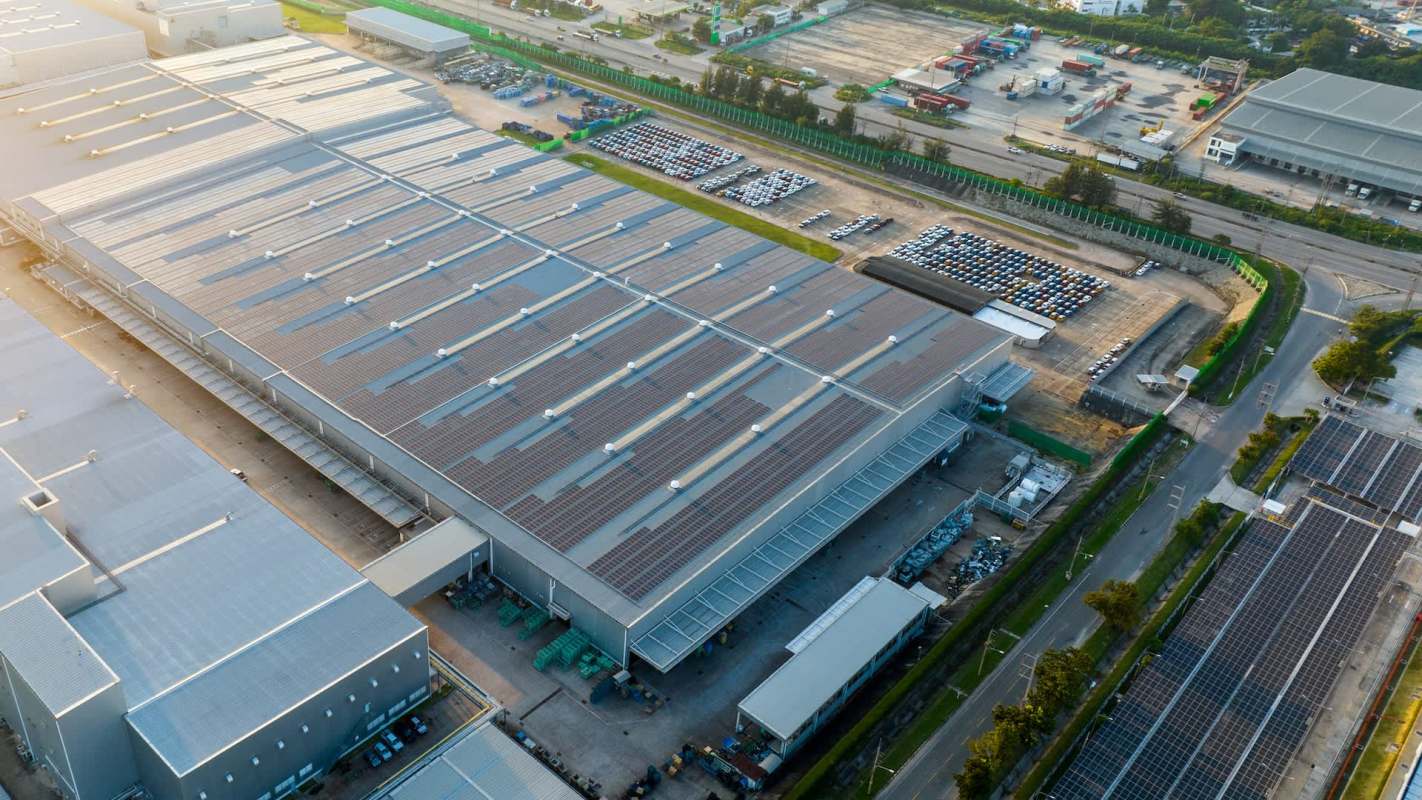
Australia is moving to make the rapidly expanding artificial intelligence economy cleaner.
State and federal energy ministers have agreed that data centers should fully account for their electricity use by supporting sufficient new renewable energy and storage to match it.
According to The Guardian, the agreement, reached at a meeting of energy ministers in early May, aims to prevent one of the biggest drivers of new energy demand from placing even more pressure on the grid.
In practice, that could mean data centers backing new wind, solar, and battery projects, rather than simply connecting to the system and driving up power demand.
The decision is notable, as AI is fueling a global boom in large, energy-intensive facilities. The Guardian noted that Data Centers Australia said the nation's 162 data centers now total 1.4 gigawatts of operational capacity. That figure is projected to rise to 3.2 gigawatts by 2030.
The Australian Energy Market Operator has also projected that data center electricity use could triple by the end of the decade.
TCD Picks » Quince Spotlight
💡These best-sellers from Quince deliver affordable, sustainable luxury for all




If those facilities are required to help deliver new clean energy as they expand, the result could benefit both households and the environment.
When major new electricity users help pay for renewable generation and storage, it eases pressure on existing supply and reduces the chance that ordinary customers will end up indirectly covering the cost of infrastructure upgrades needed to support rising AI demand.
More wind, solar, and storage would mean less pollution produced and a cleaner way to support digital growth. Data centers are becoming ever more important to cloud computing, AI tools, and the broader digital economy, but they also consume large amounts of electricity and substantial volumes of water for cooling.
According to federal energy minister Chris Bowen, the aim is to make sure these facilities strengthen the energy system rather than add to its burdens.
"If data centers want to benefit from Australia's energy grid, we think they should do their bit to strengthen it — and it's clear that the overwhelming majority of states agree," he said, according to The Guardian.
The Australian Energy Market Commission has now been tasked with advising ministers by July on possible ways to implement the policy.
Not every state has signed on. Queensland energy minister David Janetzki declined to back the proposal for now, saying that the state wants clearer information about costs, benefits, and risks before endorsing a national plan that could affect power prices and reliability.
The proposal also builds on expectations released by the Australian government in March, which called for data centers to support the shift to renewable energy, use water sustainably, and serve the national interest.
Industry leaders say many operators are already heading in that direction. Belinda Dennett, chief executive of Data Centres Australia, said data center operators and their customers are already offsetting about 70% of their energy use through long-term renewable energy agreements and generation certificates.
Moves like this, if widely adopted, could potentially help quell the growing, fervent community opposition to data centers, which has led to billions in losses and to canceled project. However, concerns about the buildings' environmental and community effects remain.
Data centers are already reshaping the energy system. The debate is no longer whether they will have an impact, but what kind of impact they will have. Australia now appears to be pushing to accelerate the clean energy transition rather than hold it back.

Get TCD's free newsletters for easy tips, smart advice, and a chance to earn $5,000 toward home upgrades. To see more stories like this one, change your Google preferences here.






