


What felt like a small power flicker in houses and businesses earlier this month was part of a much wider disturbance, reaching from Chicago to Boston to Miami. This seemingly small moment highlighted how exposed the grid may be as data center electricity use keeps rising.
What happened?
According to NBC4 Washington, the power fluctuations began around 8 a.m. on July 22 and continued for roughly 10 minutes across much of the eastern U.S.
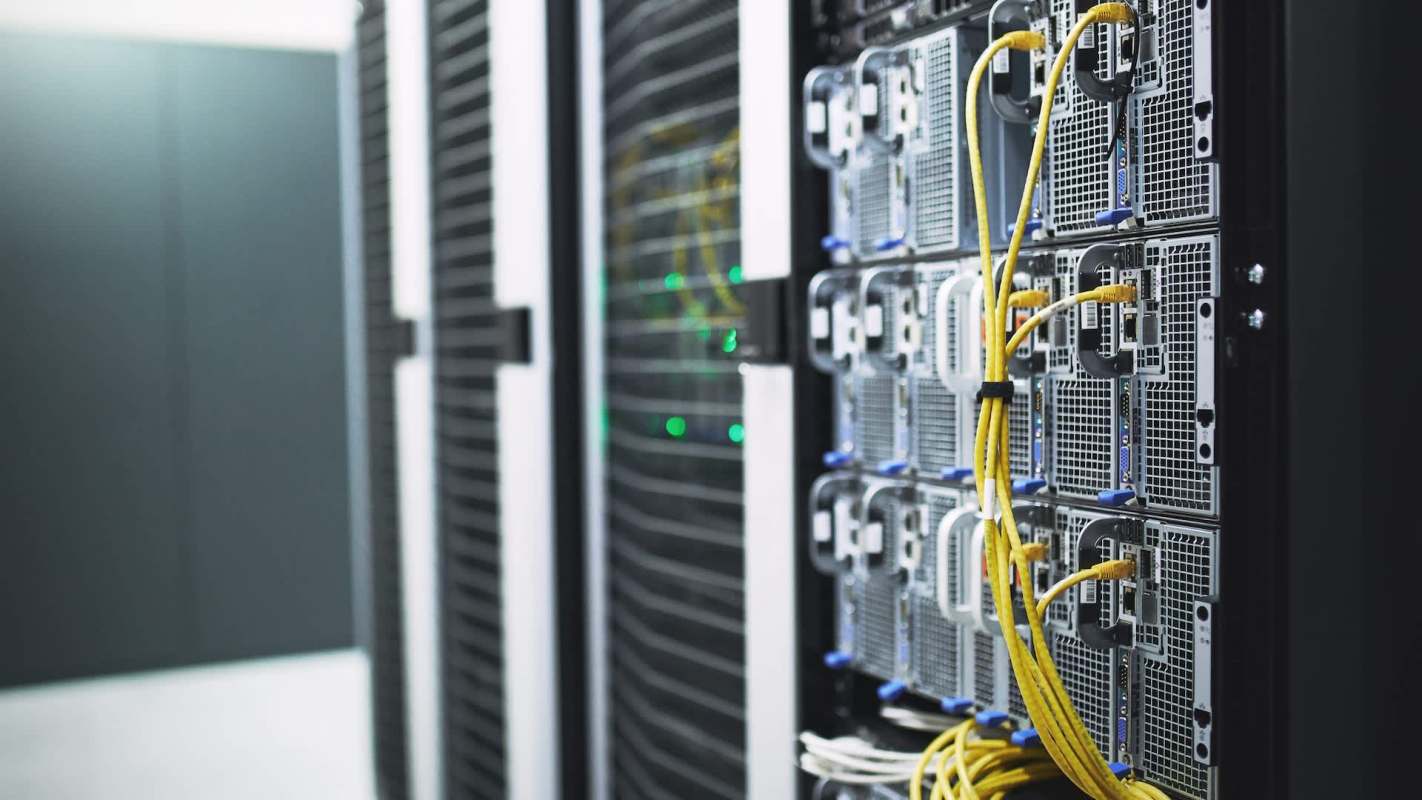
Engineering data reportedly pointed to "data center alley" in Northern Virginia, one of the nation's largest concentrations of data centers, as the source of the event.
Bob Marshall of Ting Labs said plug-in devices in homes across the U.S. registered the same pattern at 7:56 in the morning: a drop in power, then a spike, another drop, and a gradual return toward normal.
"This one event, serving either one building or whatever that data center complex is, impacted the entire region here, and this is what experts are worried about," he said.
Dominion Energy told NBC4 that equipment on a high-voltage transmission line serving data centers failed and was removed from service. The company said the facilities then briefly switched to backup power through their own control systems.
TCD Picks » Quince Spotlight
💡These best-sellers from Quince deliver affordable, sustainable luxury for all




Why does it matter?
While the incident didn't turn into a prolonged outage, experts say it exposed stress points in a grid facing rising demand.
That risk is especially notable in places such as Loudoun County, Virginia, where more than 200 data centers operate.
Grid instability can mean flickering lights, damaged electronics, and service interruptions for businesses. In a worst-case scenario, it could contribute to broader blackouts.
Marshall said people working on regulations around this issue worry that a future event might not "come back to normal in a few minutes or 10 minutes."
There is also a growing connection between artificial intelligence and the power system. AI tools can help utilities forecast demand, manage renewable energy, and improve grid efficiency, which could support a cleaner and more reliable energy future.
At the same time, the AI boom is also fueling rapid data center growth, causing major energy and water needs, higher operating costs that can affect ratepayers, as well as added concerns around security, misuse, and unintended social consequences.
What's being done?
Here, the disruption appears to have been contained before it became far more serious. Dominion said the event was brief, and local leaders suggested the industry is already trying to prepare for increasingly complex grid challenges.
Michael Turner, vice chair of the Loudoun County Board of Supervisors, told NBC4 that "the whole industry is facing things they've never faced before, and they are doing their best to figure out what's going on and to do preemptive measures."
As more power-hungry facilities come online, reliability may depend on both smarter grid management and better safeguards closer to home.

Get TCD's free newsletters for easy tips, smart advice, and a chance to earn $5,000 toward home upgrades. To see more stories like this one, change your Google preferences here.






