


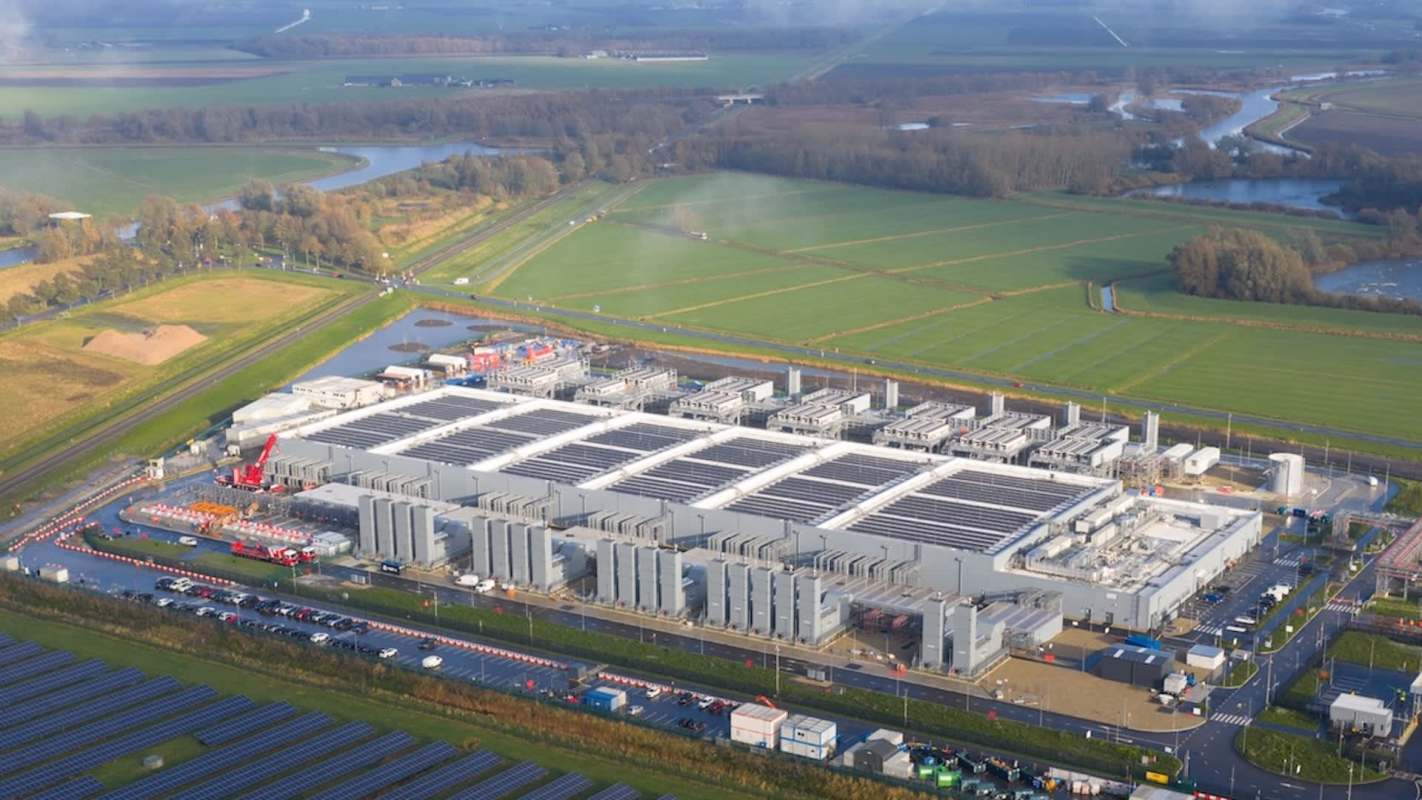
Public pressure helped sink a major data center proposal in Florida's Citrus County, and residents who opposed it are treating the withdrawal as a major victory.
What happened?
According to the Tampa Bay Times, the proposal would have expanded an existing industrial park to 1,356 acres while changing the zoning from residential to heavy industrial.
County officials said Tuesday that Deltona Corporation had withdrawn the zoning request for its Holder project, which would have opened the door to a large data center. The Times reported that the county commission's planned July 14 vote has now been canceled.
The withdrawal came just days after a nine-hour public meeting in which scores of residents spoke out against the plan and the county planning board recommended denying it.
The Times reported that a Deltona Corporation representative declined to comment. Opponents, however, were quick to celebrate the outcome.
Cheryl Curtiss, an organizer against the project, wrote in a text: "I'm so thankful for all of the great people I met along the way and for what we have accomplished." She added, "Power to the people!!"
TCD Picks » Quince Spotlight
💡These best-sellers from Quince deliver affordable, sustainable luxury for all




Why does it matter?
Data centers are increasingly becoming flashpoints in fast-growing communities because, while they can bring jobs and tax revenue, they can also significantly change daily life for nearby residents.
In Citrus County, opponents rallied around concerns that have surfaced with similar projects elsewhere.
Data centers serve as the physical backbone of artificial intelligence tools and cloud services, tying this infrastructure closely to the energy grid. The facilities powering AI can consume enormous amounts of electricity and cooling water, potentially straining grids, raising energy costs, and creating broader security and societal risks if expansion outpaces oversight.
The fight in Citrus County also reflects a broader national debate over who gets a meaningful say when major tech infrastructure projects are proposed in smaller communities. As more counties face similar plans, residents are increasingly pushing for greater transparency about the tradeoffs before projects move forward.
What's being done?
The Times said county officials had already moved in May 2026 to impose a one-year moratorium on data centers.
In a Facebook announcement, the county said it has been working on an ordinance "to help strongly address proposed data centers in the future while maintaining legal compliance."
Grassroots organizing also played a central role in the outcome.
Residents formed No Data Center Citrus and, as the Times reported, helped circulate a petition, made T-shirts, and hosted a town hall to warn neighbors about the downsides of data centers.
After the withdrawal, the group said, "No Data Center Citrus would like to thank all of the great citizens of Citrus County who made this 'win' possible," along with "all of the county staff and officials who took the time to meet with us and hear our concerns."
Citrus County officials wrote, "We appreciate the public's time and input regarding this matter."

Get TCD's free newsletters for easy tips, smart advice, and a chance to earn $5,000 toward home upgrades. To see more stories like this one, change your Google preferences here.






