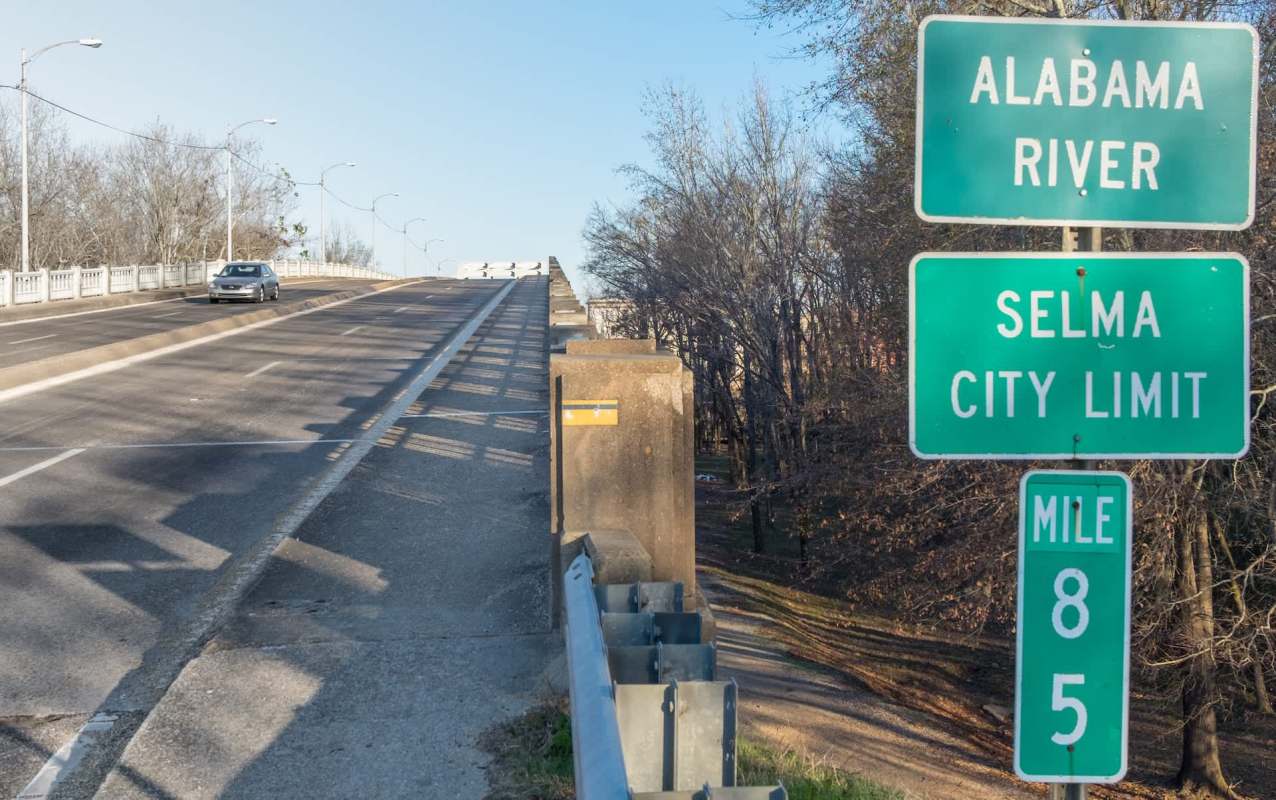
A planned hyperscale data center in Alabama is facing intense resistance from residents who argue it should not be built on property connected to the 1965 Selma-to-Montgomery voting rights march.
At a recent open house in Lowndes County, residents turned out in large numbers to challenge Project Red Clay, a massive campus proposed near Highway 80.
What happened?
Project Red Clay, proposed by Cloverleaf Infrastructure, would place four 720,000-square-foot data center buildings plus warehouse and office space on roughly 800 acres of rural land at Highway 80 and Route 21, according to Inside Climate News.
The article also noted that company representatives said the project may need 1,500 megawatts of power and up to 100,000 gallons of water each day — a huge draw in an area where many people still do not have dependable basic infrastructure.
At the meeting, residents pushed back forcefully against the proposal.
Perman Hardy questioned the project's priorities, asking, "How can you bring this type of facility here when we still have people who have sewage in their yard?"
TCD Picks » Quince Spotlight
💡These best-sellers from Quince deliver affordable, sustainable luxury for all




Farmer Chequita Surles-Johnson was even more direct about the economic promises often attached to projects like this, saying, "We have a name for those kinds of claims. We call them 'lies.'"
The site under consideration lies next to a historically designated stretch of Highway 80 and near a place where marchers stopped on their way to Montgomery, according to Inside Climate News. It's named for civil rights activist Bob Mants, and his surviving family shared their opposition to the center.
In a letter, Mants' daughter Katanga and widow Joann wrote, "Lowndes County is not just any rural place. It is sacred ground in the history of this nation."
Why does it matter?
The dispute reflects a broader debate over AI and the infrastructure needed to support it.
Data centers can help power technologies, including tools that improve weather forecasting, manage electricity demand, and optimize clean energy grids. However, they can also require tremendous amounts of electricity and water, strain local resources, raise utility costs, and trigger concerns about pollution, security, and wider social harms when development moves faster than safeguards.
In Lowndes County, that conflict feels sharper because poverty is still widespread and residents say long-standing basic needs have gone unmet.
Surles-Johnson said, "We don't need this in our community. This isn't going to bring families here."
Critics also say building a project like this on land so closely associated with the civil rights movement could turn a site of national memory into what one letter described as a "sacrifice zone."
What are people saying?
Residents said broad promises are not enough without specifics.
Ann Burgwin Faulkner told company representatives that the community should have heard directly from developers much earlier. "But we don't want it here."
She added, "And we're not going to change our minds."
Cloverleaf has said it wants to address residents' questions and that any public commitments it makes would be enforceable.
For many locals, the history of the land and the scale of the possible risks make the project unacceptable.

Get TCD's free newsletters for easy tips, smart advice, and a chance to earn $5,000 toward home upgrades. To see more stories like this one, change your Google preferences here.