


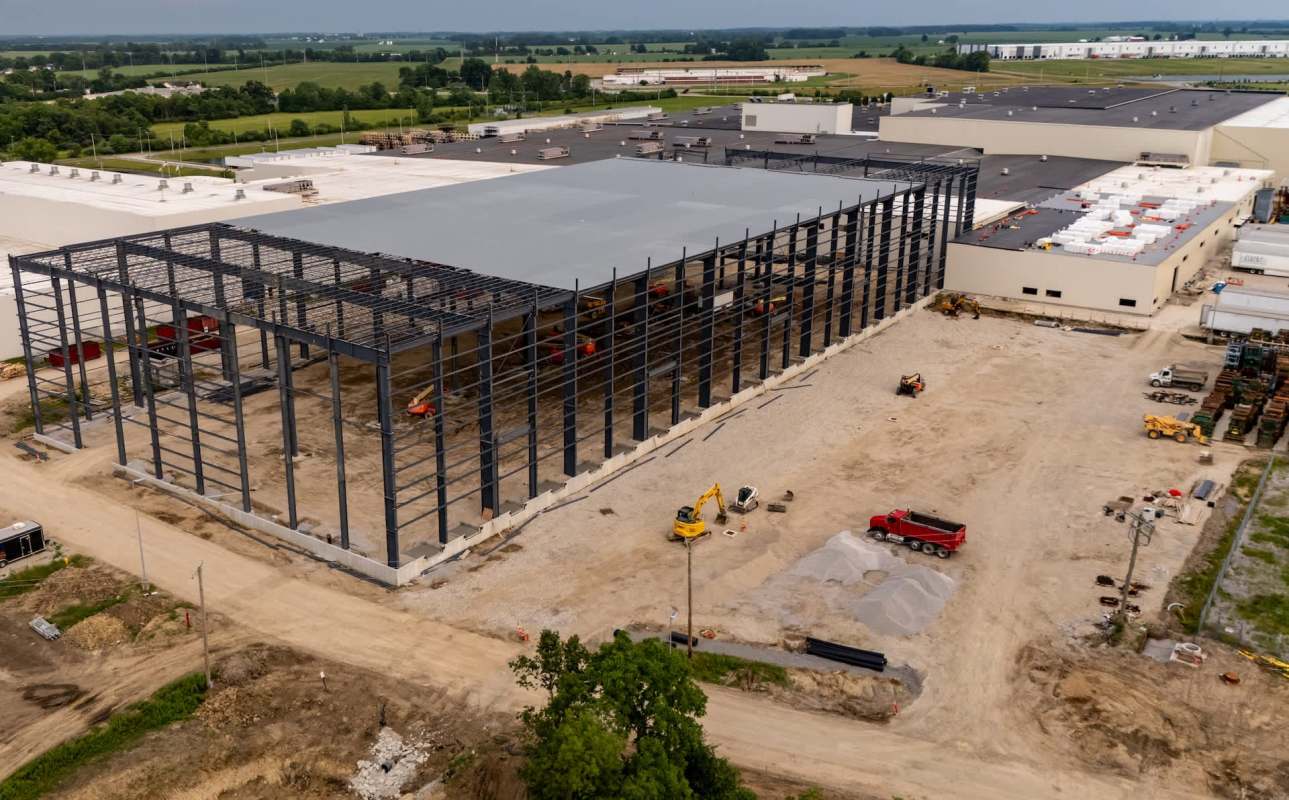
Maine towns are responding to Governor Janet Mills' veto of a statewide data center moratorium by pursuing restrictions of their own. The emerging local response comes alongside polling that shows broad unease among residents about having one of the fast-growing facilities nearby.
As WGME reported, at least four municipalities in southern Maine have recently approved local pauses on data center proposals, including Scarborough, Sanford, and Westbrook.
What happened?
With a statewide pause off the table, some municipalities are enacting their own temporary bans while officials assess the impacts of data center development on Maine's energy grid and other resources.
WGME cited a UMass Lowell poll released last week that found 28% of Mainers would support a data center in their community, while 72% opposed one; 51% said they were strongly opposed.
Maine is not alone in those concerns. Citing Reuters, WGME reported that only 14% of Americans said they would be comfortable with a data center being built nearby, and 77% said AI-focused facilities could increase their electricity costs.
Why does it matter?
Data centers are a major part of the AI boom because the technology relies on large banks of servers to process and store enormous amounts of information.
TCD Picks » Quince Spotlight
💡These best-sellers from Quince deliver affordable, sustainable luxury for all




That means AI is closely tied to the energy grid. It can help utilities forecast demand, reduce waste, and better integrate renewable power, but the computing systems behind it can also use vast amounts of electricity and water.
Critics also point to broader risks, including higher utility bills, security concerns, misuse, and unintended social consequences.
If more large-scale data centers are built, communities may have to confront questions about whether local grids can handle the demand, whether electricity rates could rise, and how resources such as land and water should be prioritized.
Maine is still working through some of those questions. WGME reported that the state's data center advisory council is reviewing how large-scale projects could affect Maine's power grid and other resources, with a final report expected in January.
What are people saying?
In Maine, officials say worries about data centers span the political spectrum.
"Red states, blue states, purple states are having this conversation, and people just want to have some answers about what this technology means, what this development opportunity means," Rep. Melanie Sachs said.
Polling suggests the resistance is significant both in Maine and nationally. With nearly three-quarters of Mainers surveyed saying they do not want a data center in their community and Americans elsewhere expressing similar concerns, the conversation remains divisive.

Get TCD's free newsletters for easy tips, smart advice, and a chance to earn $5,000 toward home upgrades. To see more stories like this one, change your Google preferences here.






