


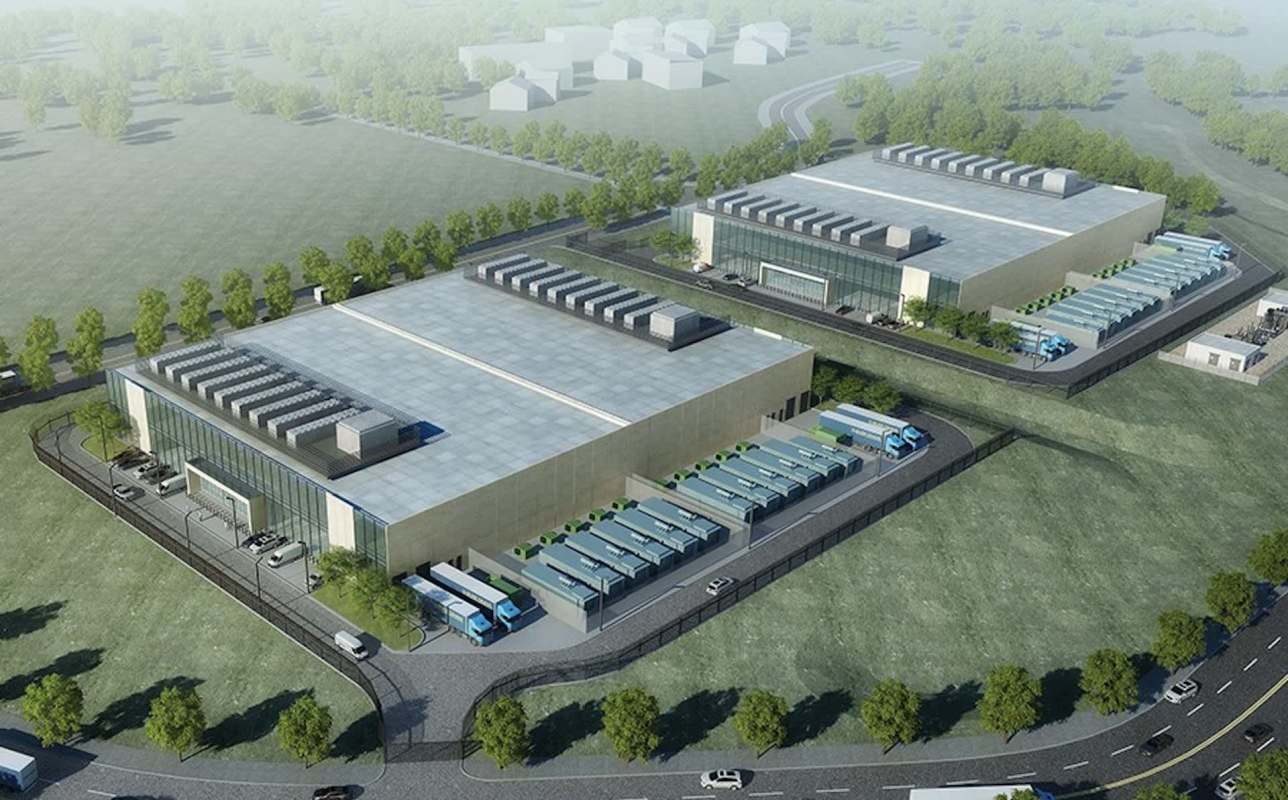
In Cheyenne, Wyoming, a company's effort to build data centers is drawing pushback from residents concerned about the pace and scale of development.
At a recent community meeting hosted by Vantage Data Centers, locals warned that large industrial projects around the proposed site could leave rural subdivisions permanently "boxed in."
Vantage Data Centers used last week's meeting to present its proposed Laramie County development and to field questions about issues such as proximity to homes, staffing needs, water use, noise, and light pollution, according to local outlet Cap City News.
The event took place amid wider regional tension over data center growth, with various proposals facing scrutiny.
The company said the first phase of the project would create about 75 jobs and that the company would cover project costs. Company materials also said the planned facilities were designed for 480 megawatts of IT capacity, Cap City reported.
Still, several residents said the sheer scale of the proposed buildout is deeply unsettling and described their unease in personal terms.
TCD Picks » Quince Spotlight
💡These best-sellers from Quince deliver affordable, sustainable luxury for all




Tammy Higgins, who lives in Cheyenne's Bison Crossing neighborhood, said the buildout could leave her community feeling "boxed in," while resident Thomas White said, "They're too close to my house. We don't know what it's all about."
City Councilor Lawrence Wolfe said the area could end up with several major developments clustered together, warning, "You're going to have Tallgrass, Google, Microsoft, Vantage, all packed into a pretty small area."
For residents living near the proposed facilities, the issue extends beyond any single project. It is also about whether a fast-growing industrial corridor could permanently change the look, feel, and livability of their neighborhoods.
Data centers are also part of a much broader conversation about artificial intelligence, digital infrastructure, and the power grid.
The facilities can consume enormous amounts of electricity and water, raise concerns about grid strain and rising utility costs, and introduce risks tied to security, misuse, and other unintended consequences.
To reduce energy demand, Vantage said the facilities would use air cooling and Wyoming wind, and the company said cooling water would be recirculated in a closed-loop system.
Residents and local officials, however, said they are still unconvinced about how those power and water needs would play out on the ground. Elsewhere, some experts have raised concerns about closed-loop systems in particular.
Vantage representatives said they are trying to address those concerns early in the process.
Misty Allen, Vantage's Vice President of Public Policy for North America, said the company is pursuing "water positivity," with the goal of returning more water than it uses. "We are very mindful that Wyoming water is a precious resource and we really want to minimize use of water," Allen said, per Cap City.
Director of Sustainability Emily Backus also defended the site selection, saying, "Part of the reason why we chose this site is that it is such a wide-open area that won't be near any residents."
Vantage officials said they plan local investment tied to wetlands support and other water-return efforts, while emphasizing tax revenue as one of the project's major local benefits.
Still, some residents in Cheyenne and across the country continue to push back against data center development. More than 75 data center projects worth around $130 billion were blocked in the first three months of 2026, according to a recent study from Data Center Watch.

Get TCD's free newsletters for easy tips, smart advice, and a chance to earn $5,000 toward home upgrades. To see more stories like this one, change your Google preferences here.






