


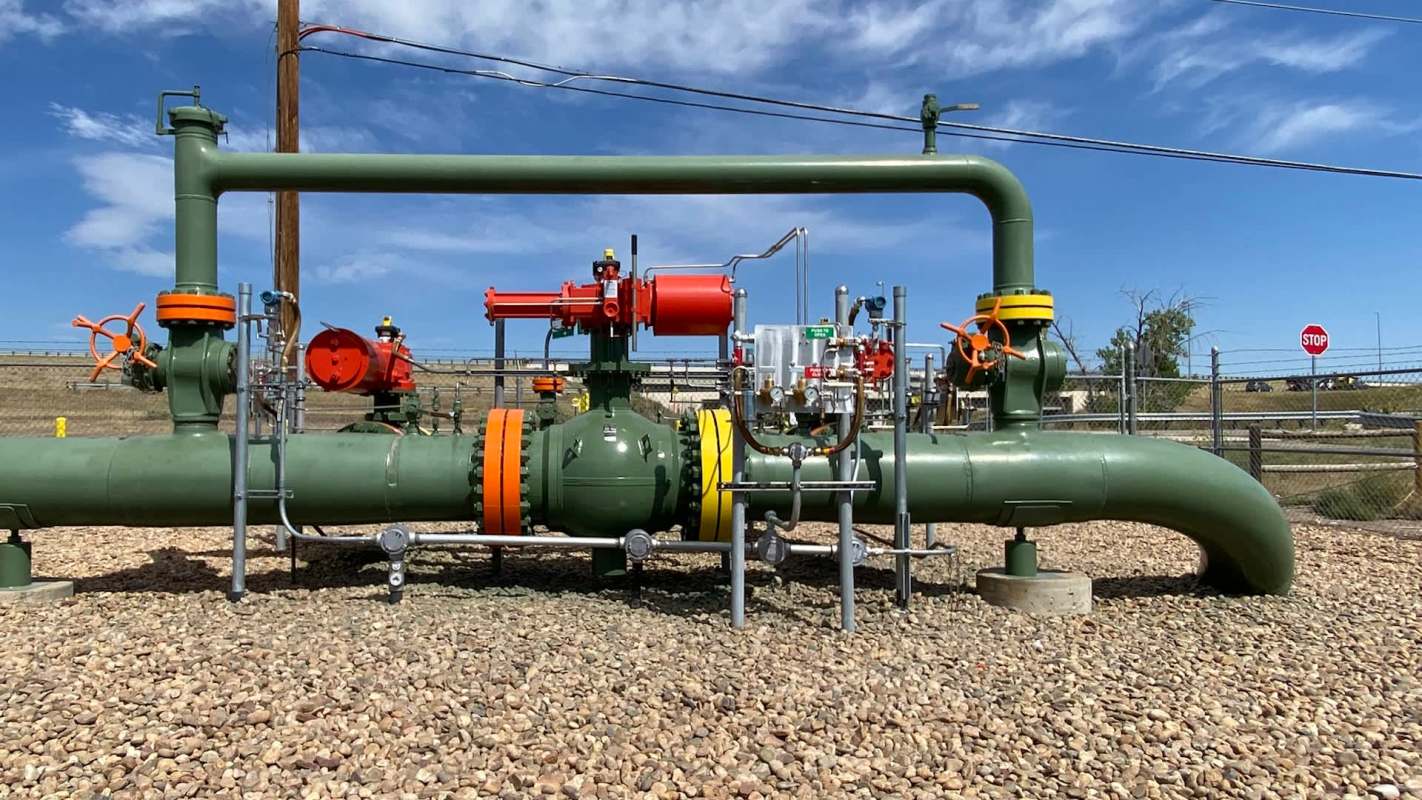
Plans for new data centers in Pennsylvania are intertwined with concerns about natural gas development, as rising electricity demand could bring more fracking near schools and neighborhoods, Inside Climate News reported.
What's happening?
In Pennsylvania, a coalition led by the Environmental Integrity Project and the Clean Air Council is pressing elected officials to back new rules that would expand fracking facilities' buffer zones.
According to ICN, under existing state rules, well pads, compressor stations, and pipelines can be built 500 feet from homes, schools, and hospitals. The advocates' proposal would push most of those setbacks out by more than 2,500 feet because they say the current standard falls short on public health protection.
ICN stated that the organizations originally submitted a petition to Pennsylvania's Environmental Quality Board in 2024. The board then sent the measure to the Department of Environmental Protection that December, and the agency began a review that is expected to wrap up by the end of this year.
At the same time, Pennsylvania is lining up dozens of data center projects, and meeting their huge power demand is expected to require higher gas production.
How could these new laws help?
Setback rules determine how close industrial activity can be to the places where people live.
TCD Picks » Quince Spotlight
💡These best-sellers from Quince deliver affordable, sustainable luxury for all




If gas production expands alongside data center growth, more communities could face greater exposure to air pollution and other environmental burdens. Advocates say the state should act before another major round of development places even more infrastructure near neighborhoods.
What's being done?
While the state review is wrapping up soon, supporters are keeping up their direct action by lobbying lawmakers.
Lauren Posey, an advocate with environmental group Protect PT, said that the state has a long history of oil and coal development. These industries have left many communities grappling with pollution and related health problems.
"Now it's easy to see this history repeating itself as our region is being targeted for large-scale data center development, in large part because we're an energy-producing state, and we already have these industries and this infrastructure in place," Posey said at a webinar, per ICN.
As Pennsylvania prepares for a data center boom, people are watching whether the state will confront the consequences of fossil fuels later on or strengthen protections before communities bear the cost.

Get TCD's free newsletters for easy tips, smart advice, and a chance to earn $5,000 toward home upgrades. To see more stories like this one, change your Google preferences here.






