


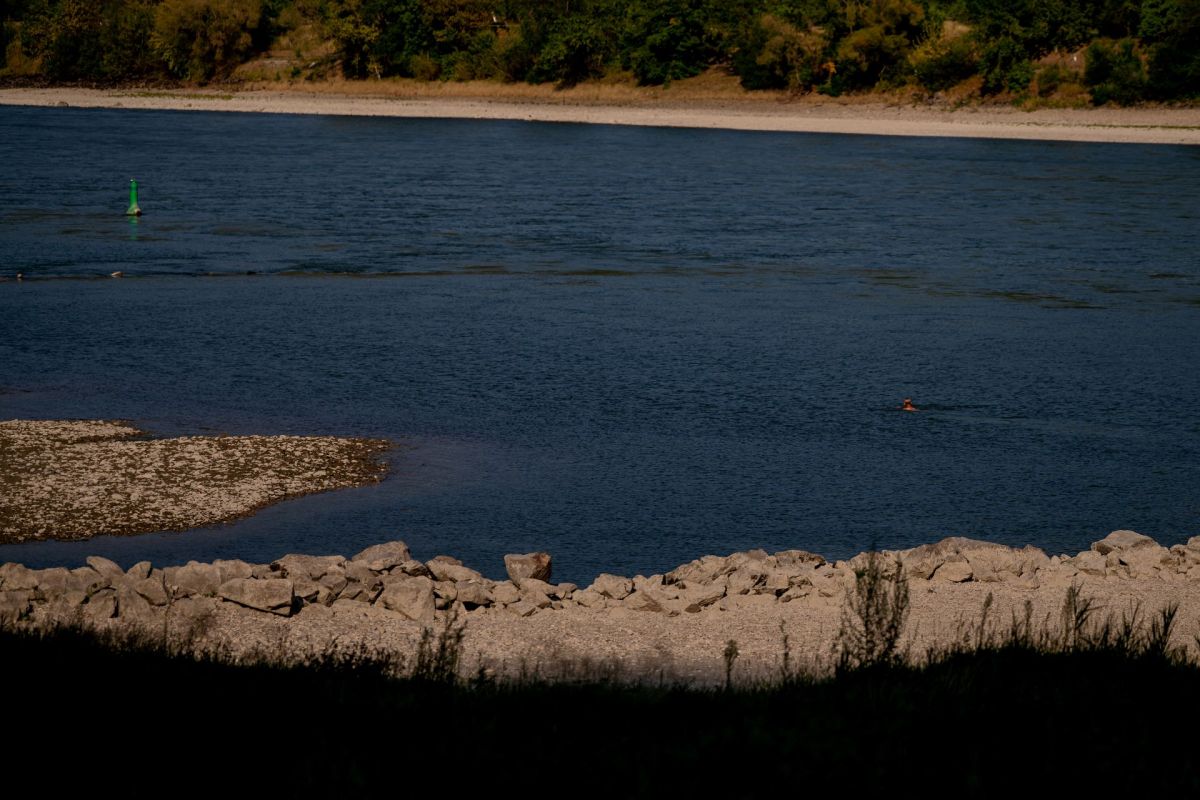
Extreme heat and drought are now showing up starkly on the Danube in Budapest and beyond, where the river has dropped lower than ever before on record.
That decline has already hit critical infrastructure: one reactor in Hungary cut output and another in Romania was shut down after the river no longer provided enough cooling water.
What's happening?
Hungary's water authorities said that on July 28, the Danube water gauge measured just 12.2 inches in Budapest. That put the river below its previous record low from 2018, and as TechTimes reported, several other gauges along the river were also hitting record lows.
The shrinking waterway created immediate problems, not only for boats but also because it exposed wreckage previously hidden by higher water.
Additionally, Hungary's only nuclear plant, Paks, reduced generation after the Danube near the site fell to a record local low. TechTimes reported that Paks usually supplies around 40% of Hungary's electricity.
At Romania's Cernavodă Nuclear Power Plant, the country's only nuclear site, state-owned Nuclearelectrica carried out a controlled shutdown of one of its units on July 28. The company said the step was precautionary and, as TechTimes reported, intended to protect cooling-related equipment, while also warning that another unit could face similar problems if river levels keep falling.
TCD Picks » Quince Spotlight
💡These best-sellers from Quince deliver affordable, sustainable luxury for all




Why does it matter?
Nuclear power can generate large amounts of low-carbon electricity and help keep the grid stable, which is especially important during heat waves, when demand for air conditioning surges.
Still, this episode highlights one of the technology's less-discussed vulnerabilities: Many plants remain dependent on river conditions that the changing climate is making increasingly unreliable.
When rivers run low and warm, facilities that rely on "once-through" cooling systems can struggle to stay within environmental discharge limits. As a result, reactors may need to cut output or shut down at the very time electricity is needed most.
Beyond that, nuclear energy also carries longstanding concerns related to radioactive waste, safety, high upfront costs, and weapons proliferation.
The Danube's decline is affecting more than power generation. Low river levels have disrupted shipping and cruise travel, while other Hungarian reservoirs have reportedly begun to dry up or been reserved primarily for drinking water.
That can ripple through fuel deliveries, tourism, agriculture, and household expenses.
What's being done?
Hungarian officials said, according to TechTimes, that electricity supply remained stable and that the government was coordinating with plant operators and grid managers.
Earlier this summer, authorities had already approved a temporary exemption allowing warmer discharge water at Paks. However, the Danube's reduced flow has made that cushion harder to rely on.
A World Weather Attribution study released July 23, as cited by TechTimes, found that the drought is being amplified not only by low rainfall but by a warmer atmosphere pulling extra moisture from land and waterways.
Sarah Kew of the Royal Netherlands Meteorological Institute told reporters that extreme heat is what's starting to take over as the primary driver of drought in Europe.

Get TCD's free newsletters for easy tips, smart advice, and a chance to earn $5,000 toward home upgrades. To see more stories like this one, change your Google preferences here.






