


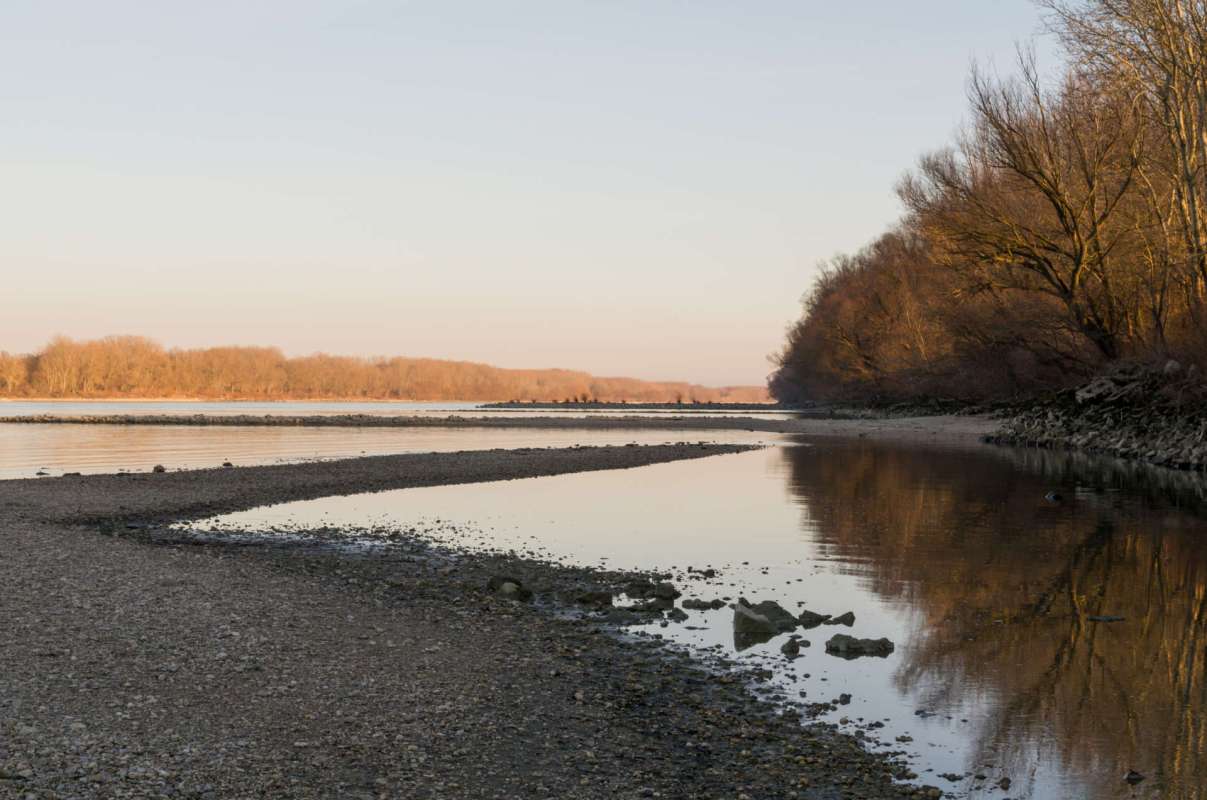
Dangerous temperatures are only one part of Europe's current heat wave. The same extreme heat is shrinking major rivers and putting essential infrastructure, including nuclear power plants, under severe stress.
So much water has disappeared from the Danube in Hungary that the nation nearly had to stop operations at its lone nuclear plant, missing that threshold by just millimeters.
What's happening?
According to NPR, Prime Minister Péter Magyar said the Paks nuclear power plant almost went offline when the Danube dropped to a critical level. Because the station depends on river water for cooling, even small changes in depth can affect whether it can keep running.
Magyar said, "Around 1:30 a.m. we were a few millimeters away from completely shutting down the Paks Power Plant, but then the water level stopped falling and by morning it had risen 1.5 centimeters. The last turbine is currently operating safely."
Elsewhere along the Danube, the effects of the low water have taken different forms. Near Vidin in Bulgaria, a cruise ship carrying nearly 200 tourists ran aground, while in Serbia the receding river has exposed scuttled German warships from World War II. Romania, meanwhile, used a controlled blast in the river to reroute cooling water to its sole operating nuclear plant after two reactors had been taken offline.
The heat has also worsened wildfire danger across southern Europe. Greece has been a major focus, with hundreds of firefighters battling a large blaze near Athens, and France has faced major fires as well. In burned areas there, officials have found what may be unexploded munitions dating to World War II.
TCD Picks » Quince Spotlight
💡These best-sellers from Quince deliver affordable, sustainable luxury for all




What are the dangers?
Heat waves can strain power supplies, fuel wildfire conditions, disrupt drinking water and transportation networks, and increase health risks for older adults, children, outdoor workers, and people with underlying medical conditions.
When rivers fall low enough to interfere with electricity generation, the consequences can spread quickly to households, businesses, and public services.
Officials across Europe have issued health warnings as temperatures remain unusually high. Italy's Health Ministry put 25 of the country's 27 major cities under red alert and said all would be there by Aug. 6. In England, health authorities said the hotter weather could pose added danger to vulnerable groups.
In Greece, helicopter crew members died when two aircraft collided while fighting a wildfire, and firefighters were killed in separate blazes.
What's being done?
Authorities have paired emergency measures with public warnings. In Romania, officials acted to protect cooling flows to the country's nuclear facility, while in Greece and France, fire crews have deployed significant resources to contain blazes and defend nearby communities.
Public health agencies are also trying to reduce harm by alerting residents before the worst temperatures arrive. Staying hydrated, limiting outdoor activity during peak heat, checking on neighbors, and following local emergency guidance can all help reduce immediate risks.

Get TCD's free newsletters for easy tips, smart advice, and a chance to earn $5,000 toward home upgrades. To see more stories like this one, change your Google preferences here.






