


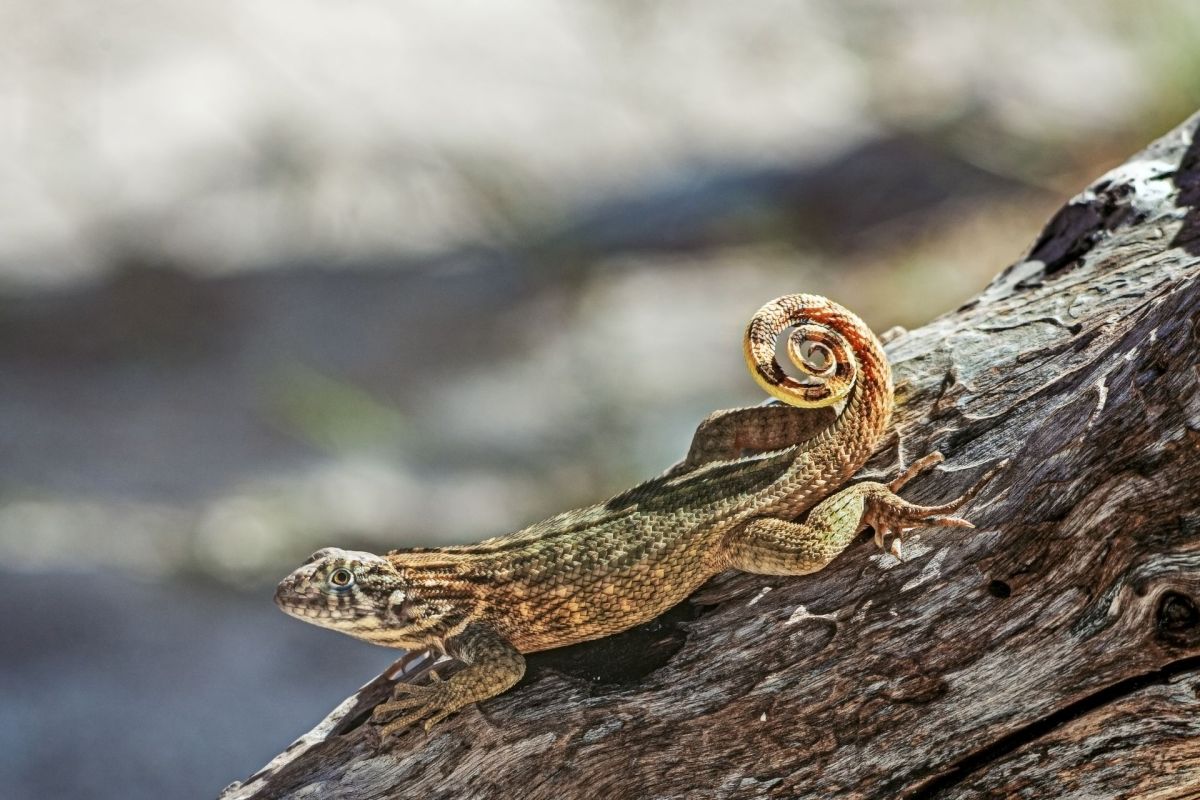
Wildlife experts in Central Florida say an invasive lizard once mostly associated with South Florida is now appearing much farther north, a shift that could add pressure to native species.
As Fox Weather reports, that species is the Northern curly-tailed lizard, an invasive reptile often seen around sidewalks and parking lots as it continues moving up the peninsula.
What's happening?
Originally from the Bahamas, the Northern curly-tailed lizard (Leiocephalus carinatus) has been in South Florida since the 1930s, Fox Weather said.
Researchers say the species is now making its way upward.
"They're becoming fairly common throughout most of Central Florida now as they are starting to move up the peninsula," Dr. Matthew Atkinson, a herpetologist at the University of Central Florida, told FOX 35, an affiliate. "They're probably here to stay."
The outlet noted people are most likely to spot the lizards in rocky or concrete-heavy places, including sidewalks and parking lots. They can reach about a foot long and may shed their tails to escape predators, Fox Weather said.
TCD Picks » Quince Spotlight
💡These best-sellers from Quince deliver affordable, sustainable luxury for all




Officials do not consider the lizards dangerous to humans, but they are paying closer attention to what a larger range could mean for native wildlife, as the outlet detailed.
Why does it matter?
The primary issue is ecological strain rather than any direct risk to people. Fox Weather reported that Northern curly-tailed lizards eat smaller animals, including native lizards and eggs, and they compete with native anoles for habitat.
One native species affected is the Carolina green anole, per the outlet. When invasive species spread, they can disrupt established food webs and outcompete native species.
Fox Weather noted that while the Carolina green anole can evade the Northern curly-tailed lizards in the trees, the lizards lay their eggs on the ground, making them vulnerable to them.
Atkinson told FOX 35 the lizards also sometimes hunt other invasive reptiles.
"We see a little bit of invasive-on-invasive violence, if you will, where they are actually going to be a predator for the brown anoles, which are also invasive and rapidly spreading throughout the state," he revealed to the station.
What's being done?
Wildlife officials want residents to report sightings so researchers can better track where the species is showing up and how quickly it is spreading, Fox Weather said. Those reports can also help scientists determine whether populations are becoming established in new places.
Because the lizards are not considered a threat to people, residents are encouraged to avoid disturbing them and to follow state or local reporting guidance rather than handling the animals themselves.
More broadly, monitoring invasive species is part of an effort to protect native ecosystems before ecological imbalances worsen.

Get TCD's free newsletters for easy tips, smart advice, and a chance to earn $5,000 toward home upgrades. To see more stories like this one, change your Google preferences here.






