


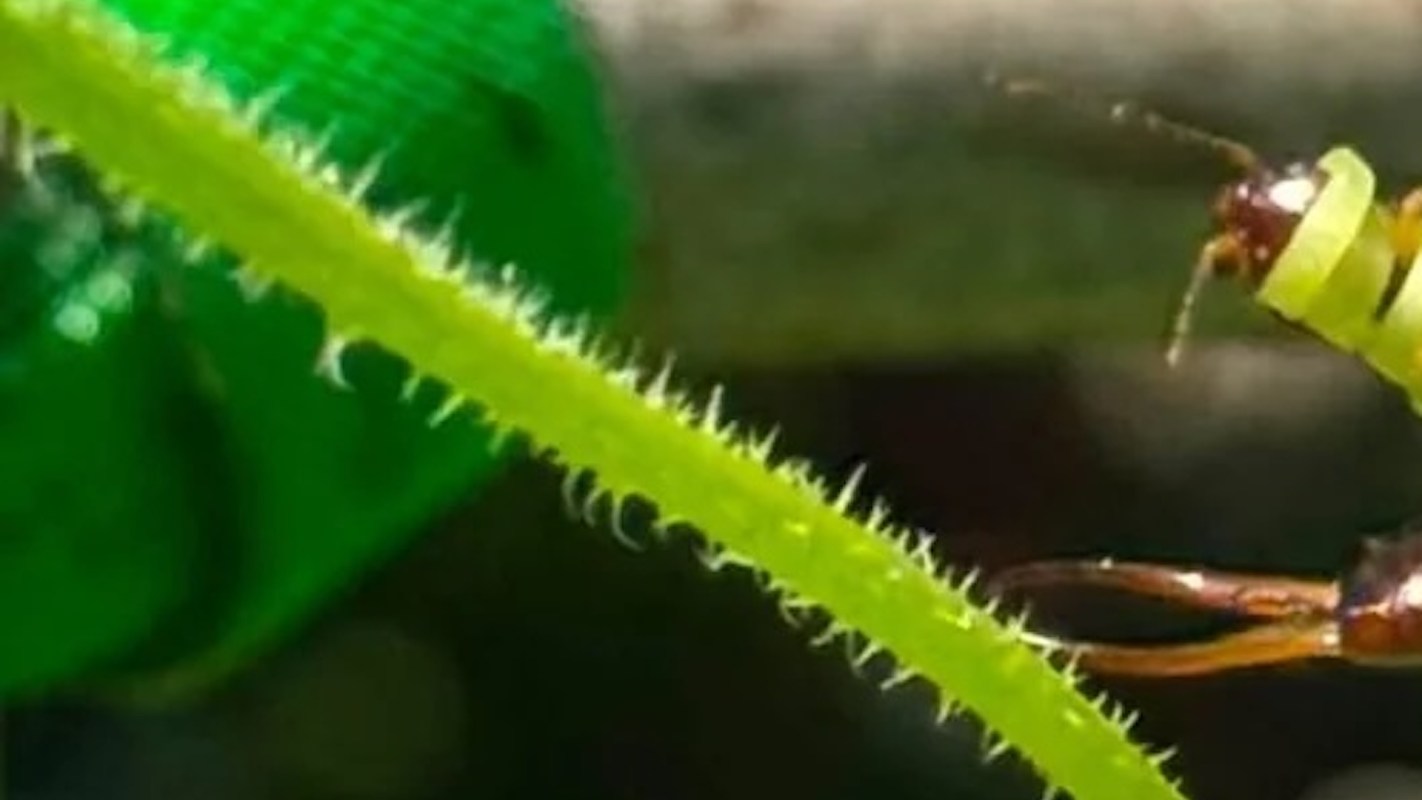
A photo of a cucumber tendril cinched around an earwig has set off a surprisingly big discussion, with users debating whether the insect was caught while sheltering in the plant and wondering how quickly a vine can move at all.
What happened?
Shared on Reddit, the image shows an earwig pinned inside a tightly wound cucumber tendril, and many viewers took it as a sign that the bug was finished.
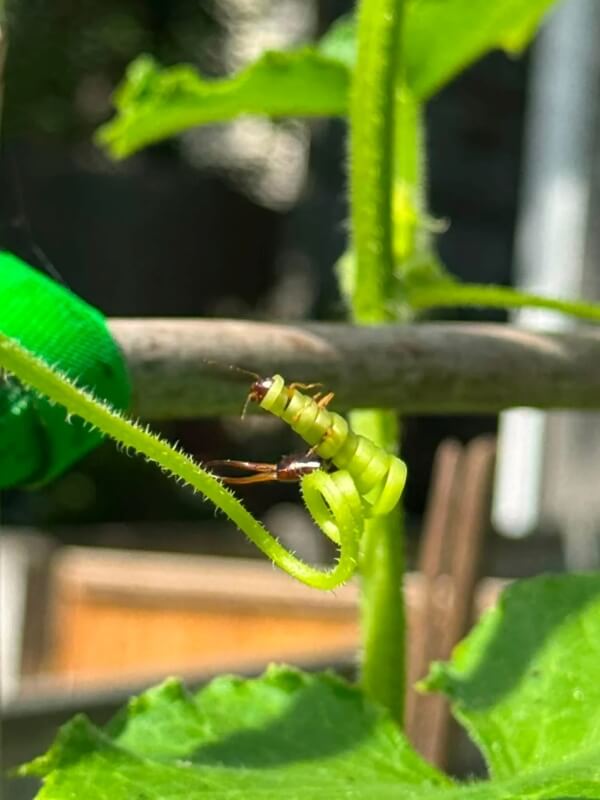
Commenters mostly focused on reconstructing how the earwig ended up there. "I think the earwig tried to go through and got stuck," one wrote.
Another suggested the insect may have settled into the plant for shade before the tendril tightened. "They will hide in the shady parts of my plants during the day... Wouldn't doubt this guy found a loose coil to take a nap in and it got tighter while he was sleeping."
The thread then widened into a discussion of plant motion, especially how cucumbers and other climbing plants use tendrils that react to contact and slowly curl around whatever they grow against.
Why does it matter?
While cucumber tendrils do not snap shut like carnivorous plants, they do respond to touch and gradually coil as part of their growth.
TCD Picks » Quince Spotlight
💡These best-sellers from Quince deliver affordable, sustainable luxury for all




A home garden can help households save money on produce, provide fresher, better-tasting vegetables, and support both mental and physical health through time spent outdoors and light activity.
For gardeners dealing with bugs or overgrowth, there are also simple ways to control pests without chemicals and control weeds without chemicals, helping people protect their harvest without relying on harsher products.
What are people saying?
A lot of the reaction was playful, with commenters nicknaming the plant "Cruelcumber" and "Killcumber" and one person joking, "He couldn't wig-gle his way out."
At the same time, the photo prompted real curiosity about how plants behave.
"How fast do you think plants move? if they could like do this we would be in trouble," one commenter wrote.
Another responded with a science-minded reminder, "There are a lot of plants whose various organs will react to touch and quickly wrap around things... a common example would be a Venus fly trap."

Get TCD's free newsletters for easy tips, smart advice, and a chance to earn $5,000 toward home upgrades. To see more stories like this one, change your Google preferences here.






