


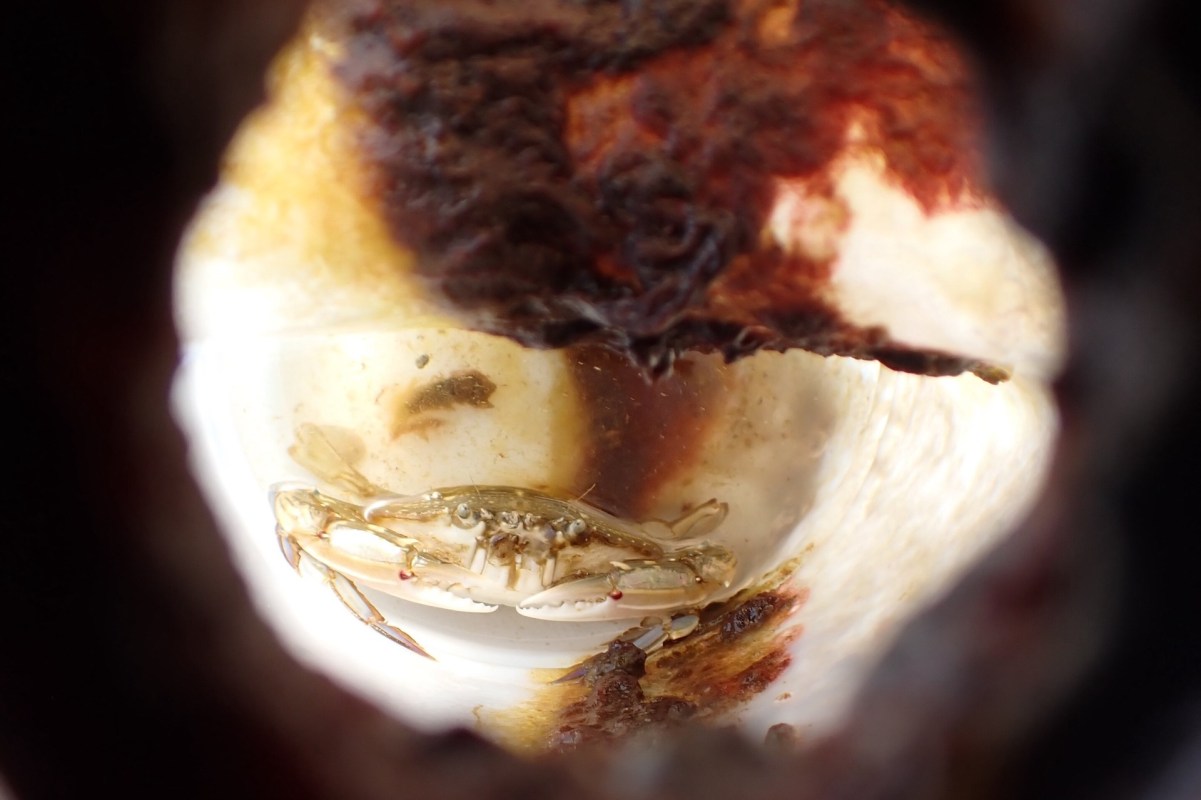
A crab found off Okinawa, Japan, posed an odd marine puzzle, as the crustacean was found inside a plastic bottle even though the opening was too small for its body.
Researchers concluded it had spent weeks inside the bottle and ultimately grew too large to get out.
What happened?
The animal was recovered from a drifting Shaoxing wine bottle made of high-density polyethylene off Okinawa. Researchers from Hiroshima University spotted the bottle about 500 meters off Sesoko Island while conducting a survey of juvenile fish.
When it was found, the crab's body was already bigger than the bottle's opening.
The researchers examined its stomach contents and found signs that it had eaten algae that had grown in the bottle as well as young fish that happened to swim inside.
Drawing on several pieces of evidence, the team concluded that the crab had entered the container as a juvenile.
TCD Picks » Quince Spotlight
💡These best-sellers from Quince deliver affordable, sustainable luxury for all




It appears to have kept feeding for about two months, until it had grown too large to crawl back out. Researchers also estimated how long the bottle had been drifting by measuring the growth of goose barnacles attached to its exterior.
Why does it matter?
Marine plastic pollution is often associated with animals swallowing debris or becoming entangled in nets and rings.
This case points to a little-known threat: bottles and other containers can act as one-way traps for small marine animals, especially young crustaceans searching for shelter or food.
Coastal ecosystems help support fisheries, tourism, and communities that depend on healthy oceans for jobs, food, and recreation.
When plastic waste interferes with those systems, it affects beaches, local economies, and can hurt both wildlife and people.
A bottle tossed away can drift for weeks or months, continuing to harm animals long after it leaves human hands. This bottle was found in the ocean on July 15, 2022 — but its manufacture date showed that it was created November 17, 2021, so this bottle may have been at sea for quite a while.
Cases like this also suggest the true toll of ocean litter may be greater than scientists can easily track, since many of these traps likely go unnoticed at sea.
What are people saying?
"Plastic bottles discarded by humans can trap crabs and prevent their escape," the team said. "Objects that make our lives more convenient can sometimes have unexpected effects on small marine animals."

Get TCD's free newsletters for easy tips, smart advice, and a chance to earn $5,000 toward home upgrades. To see more stories like this one, change your Google preferences here.






